
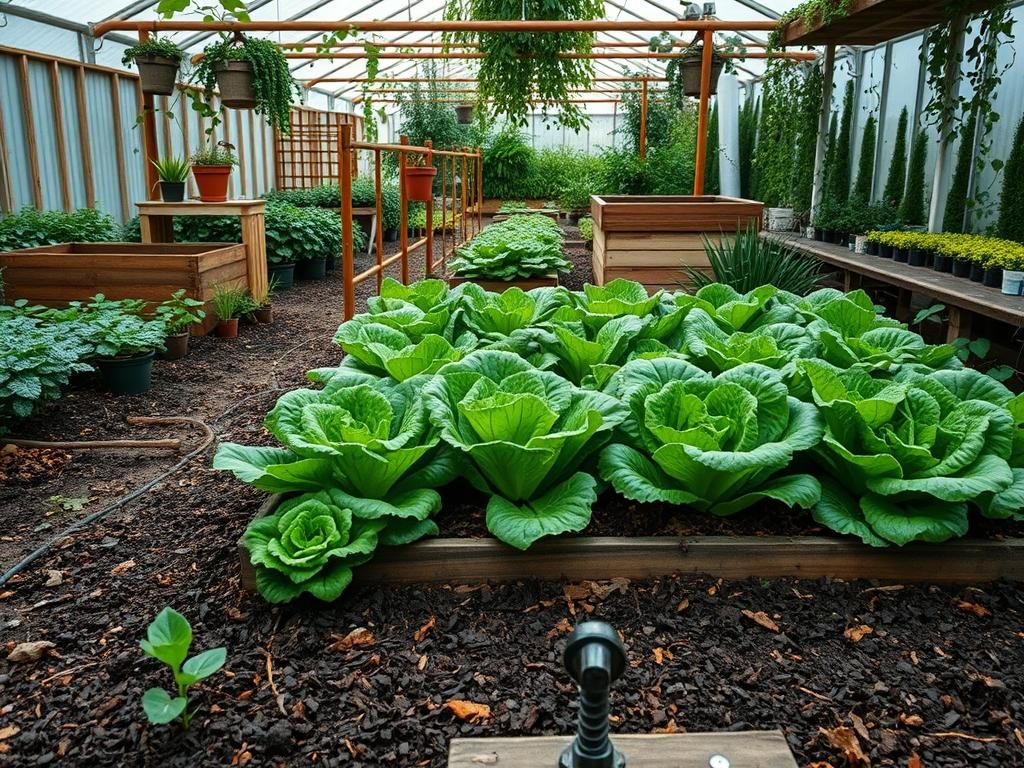
Integrating a productive vegetable garden into a high-end residential landscape requires a shift in perspective from traditional agriculture to aesthetic site engineering. Many homeowners view a vegetable plot as a cluttered necessity tucked away in a back corner, but a professionally designed lettuce area can serve as a lush green anchor for an entire outdoor living space. Achieving a continuous harvest while maintaining curb appeal involves a deep understanding of microclimates, drainage patterns, and spatial hierarchy. When applying backyard lettuce patch tips, the goal is to treat the greens as living architectural elements that provide texture and color contrast against hardscapes and permanent plantings.
The challenge of lettuce in a landscape context is its ephemeral nature; it grows quickly and is harvested often, which can leave unsightly holes in a garden bed. To counteract this, landscape architects utilize the concept of succession planting within a structured framework. By using permanent edging and tiered elevations, a designer ensures that even when a specific row is harvested, the surrounding structural elements maintain the visual integrity of the site. Lettuce varieties like Lollo Rossa or Red Sails offer deep burgundies and ruffled textures that rival ornamental perennials, allowing them to blend seamlessly with Boxwood hedges or Lavender borders. Successful integration depends on recognizing that edible crops are subject to the same design rules as any other ornamental feature, requiring balance, rhythm, and a clear focal point.
Landscape Design Principles
Effective backyard lettuce patch tips begin with the physical geometry of the site. Symmetry is often the most effective way to elevate a garden from a hobbyist plot to a professional landscape. Utilizing twin raised beds made of Western Red Cedar or Corten Steel creates a mirrored effect that draws the eye toward a central walkway. These beds should be at least 18 inches high to provide a comfortable ergonomic experience for the homeowner while creating a distinct vertical break from the surrounding turf. This elevation also assists in defining the transition from passive recreation areas to active gardening zones.
Focal points are essential to prevent a sea of green from becoming a visual blur. Consider placing a central Stone Fountain or a Cedar Obelisk within the lettuce patch to provide a year-round vertical element. This structure anchors the space even when the lettuce is in its early seedling stage. Walkways surrounding the patch should be constructed from stable materials like Flagstone or Decomposed Granite to provide a clean, mud-free path for maintenance. These paths should be at least 36 inches wide to accommodate garden carts or professional equipment. Visual balance is maintained by layering the plantings; taller greens like Romaine should sit behind shorter, spreading varieties like Butterhead, ensuring every plant is visible from the primary viewing angle of the patio.
Plant and Material Selection
The following table outlines the technical requirements for common varieties that double as ornamental landscape assets.
| Plant Type | Sun Exposure | Soil Needs | Water Demand | Growth Speed | Maintenance level |
| :— | :— | :— | :— | :— | :— |
| Parris Island Cos | Full Sun | Silty Loam | High | 65 Days | Low |
| Flashy Trout Back | Partial Shade | Organic Compost | Moderate | 55 Days | Medium |
| Oak Leaf | Partial Shade | Well-Drained | High | 45 Days | Low |
| Bibb | Filtered Sun | Humus-Rich | High | 60 Days | Medium |
| Arugula | Full/Partial | Sandy Loam | Moderate | 40 Days | Very Low |
Beyond the plants themselves, material selection for the infrastructure is critical. Using Coco Coir or Rice Hulls as a soil amendment improves aeration, while Pine Bark Nuggets or Straw Mulch can help regulate soil temperature. For technical irrigation, Netafim Drip Lines or Soaker Hoses installed beneath a layer of mulch ensure consistent moisture without wetting the leaves, which significantly reduces the risk of fungal pathogens in high-density plantings.
Implementation Strategy
The first step in executing a professional lettuce patch layout is site grading. The area must be leveled to prevent water pooling, which leads to root rot. If the backyard has a significant slope, consider installing Timber Retaining Walls to create a series of level terraces. These terraces solve the drainage issue while adding structural complexity to the landscape. Once the grading is complete, install Non-Woven Geotextile Fabric beneath any base material for walkways to prevent weed protrusion and soil mixing.
Edging is the secret to a polished look. Use Heavy-Gauge Aluminum Edging or Belgium Block to create a crisp line between the lettuce beds and the lawn. Within the beds, the soil should be prepared by mixing Sphagnum Peat Moss with local topsoil to a depth of at least 12 inches. This depth allows for robust root development and better moisture retention. When planting, leave a 6-inch to 10-inch gap between varieties to allow for airflow. To ensure a continuous harvest, divide the bed into quadrants and plant one quadrant every 14 days. This rhythmic cycle ensures that as one section is reaching peak maturity, another is just beginning its growth phase, maintaining a consistent carpet of green throughout the season.
Common Landscaping Failures
One of the most frequent mistakes in backyard lettuce patch management is improper drainage. Lettuce has shallow roots that are highly sensitive to anaerobic conditions; if the soil stays saturated for more than 24 hours, the crop will likely fail. This is often caused by heavy clay soil that has not been properly amended with Perlite or Coarse Sand. Similarly, soil compaction from foot traffic within the growing area can restrict root expansion. Always design the beds to be narrow enough, usually no more than 4 feet wide, so that all maintenance can be performed from the walkways without stepping on the soil.
Irrigation inefficiencies also plague many home systems. Overhead sprinklers often provide uneven coverage and can damage delicate leaves, leading to sunscorch or rot. A professional-grade Drip Irrigation System with a dedicated Automatic Timer is the standard for high-performance gardens. Furthermore, many planners overlook the impact of heat islands. If a lettuce patch is placed too close to a light-colored Concrete Retaining Wall or a south-facing brick house, the reflected heat can cause the lettuce to bolt or turn bitter. Utilizing Shade Cloth or strategic placement near Native Deciduous Trees can mitigate this thermal stress.
Seasonal Maintenance
Spring is the primary activation phase for the lettuce patch. After the last hard frost, clear any debris and top-dress the beds with 2 inches of Leaf Mold or Aged Manure. Check the Irrigation Emitters for clogs and reset the timers for the cooler, wetter weather. As late spring arrives, monitor for pests like slugs and snails, using Copper Flashing around the perimeter of the beds as a physical deterrent.
Summer maintenance focuses on thermal management. As temperatures rise above 80 degrees Fahrenheit, lettuce will naturally try to flower and seed. To prevent this, increase watering frequency to twice daily in short bursts and consider installing a 70 percent Shade Cloth over the beds. Mulching with Coconut Husk can keep the root zones up to 10 degrees cooler. Autumn is a second peak season, where the cooling air allows for the planting of hardier varieties like Winter Density. Finally, in winter, the focus shifts to soil preservation. In milder climates, use Floating Row Covers to protect the last of the crop. In colder regions, plant a cover crop like Clover or cover the beds with Black Plastic to prevent nutrient leaching from snowmelt.
Professional Landscaping FAQ
How do I prevent my lettuce from looking messy as it grows?
Maintain a strict planting grid and use structural edging. Keeping the plants in defined rows or geometric blocks creates a deliberate, professional look that survives through the harvest cycle.
What is the best irrigation method for a large backyard patch?
A subsurface Drip Irrigation system is ideal. It delivers water directly to the root zone, minimizes evaporation, keeps the foliage dry, and can be hidden easily under a layer of mulch.
Can I grow lettuce in a shaded part of my yard?
Yes, lettuce is one of the few edible crops that thrives in partial shade. In fact, four to six hours of sunlight is often sufficient, especially during the hot summer months.
What materials are best for raised lettuce beds?
Rot-Resistant Cedar, Corten Steel, or stone masonry are the best choices. Avoid treated lumber which may contain chemicals that could leach into the soil of your edible garden.
How do I stop soil compaction in the garden beds?
Design your beds to be no wider than 48 inches. This ensures you can reach the center from either side without ever putting weight on the soil, preserving the necessary aeration.