
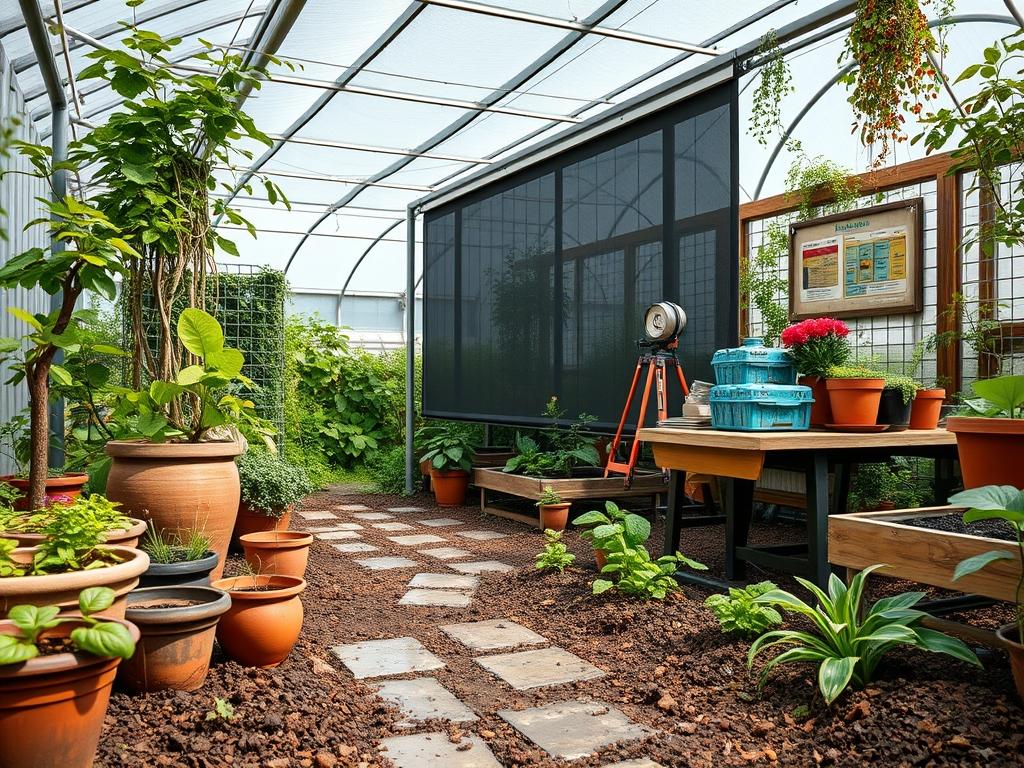
The modern backyard has evolved from a simple patch of turf into a sophisticated extension of the home interior. This shift requires a deep understanding of how architectural elements and living systems interact. One of the most significant advancements in creating these multi-functional spaces is the integration of Backyard Retractable Screens. These systems solve the age-old landscaping dilemma of wanting to enjoy the fresh air while remaining protected from insects, debris, and excessive solar heat gain. From a consulting perspective, the design must begin with an analysis of the local microclimate and the primary direction of the prevailing winds. By positioning these screens strategically within a covered patio or loggia, we create a thermal buffer that extends the usability of the outdoor space by several months each year. This is not merely a cosmetic addition; it is a structural enhancement that defines the transition between the hardscape and the softscape.
Achieving a professional finish requires more than just high-quality hardware. It demands a holistic look at how the site flows. When we consult on high-end residential projects, we focus on the sightlines from within the home. The placement of Backyard Retractable Screens should complement the natural axes of the garden, ensuring that when the screens are retracted, the view of the specimen trees and water features remains unobstructed. We also consider the curb appeal from the perimeter of the property. A well-integrated screen system disappears into the soffit or the structural pillars, maintaining the clean lines of the building while providing a flexible environment for the inhabitants.
Landscape Design Principles
Symmetry and balance form the foundation of any successful outdoor environment. In modern landscape architecture, we often utilize axial symmetry to lead the eye toward a specific focal point, such as a custom fire pit or a sculptural piece. When a patio is enclosed with Backyard Retractable Screens, the interior space becomes a geometric “room” that must harmonize with the organic shapes of the surrounding garden. We achieve this by layering the elevation of the planting beds. By placing lower groundcovers near the edge of the patio and gradually increasing the height of the plantings toward the property line, we create a sense of depth that makes a small yard feel expansive.
Visual balance also requires a careful ratio of hardscape to softscape. Too much concrete or stone can lead to an uncomfortable “heat island” effect, while too much dense foliage can feel claustrophobic. The use of screens allow for a higher percentage of hardscape because it provides the necessary shade and temperature control that would otherwise require dense tree canopies. Furthermore, the selection of walkways is critical. A flagstone path or decomposed granite walkway should provide a clear trajectory from the screened enclosure into the heart of the garden, encouraging movement and exploration. Irrigation planning must be subterranean and precise to avoid overspray on the screen mesh, which can lead to mineral buildup and reduced visibility over time.
Plant and Material Selection
Selecting the right biological components is essential for a low-maintenance, high-impact garden. We prioritize native plants that thrive in local soil conditions and require minimal chemical intervention.
| Plant Type | Sun Exposure | Soil Needs | Water Demand | Growth Speed | Maintenance Level |
| :— | :— | :— | :— | :— | :— |
| Boxwood (Buxus) | Full Sun to Shade | Well-Drained | Moderate | Slow | Low (Shearing) |
| Lavender (Lavandula) | Full Sun | Sandy/Alkaline | Low | Medium | Minimal |
| Serviceberry (Amelanchier) | Partial Shade | Loamy/Acidic | Moderate | Medium | Seasonal Pruning |
| Japanese Maple | Dappled Sun | Rich/Organic | Moderate | Slow | Low |
| Red Fescue | Shade | Variable | Low | Fast | Minimal Mow |
| Agastache | Full Sun | Very Well-Drained | Low | Fast | Deadheading |
| Hostas | Deep Shade | Moist/Rich | High | Medium | Low |
In addition to plants, the choice of hardscape materials is vital. For the areas immediately beneath the Backyard Retractable Screens, we recommend non-slip surfaces such as honed travertine or textured porcelain pavers. These materials maintain a consistent temperature and provide the structural stability needed for the screen’s side tracks and bottom seals.
Implementation Strategy
The transition from a conceptual blueprint to a physical reality starts with proper grading. You must ensure that the land slopes away from the home at a rate of at least two percent to prevent water from pooling against the foundation or inside the screen tracks. Before any stone is laid, the site should be leveled using a laser level to guarantee that the frame of the Backyard Retractable Screens will sit perfectly plumb. Any deviation in the frame can cause the motor to strain or the mesh to wrinkle.
Once the rough grading is complete, we move to the installation of drainage systems. French drains or subsurface pipes are essential for managing runoff from the patio roof. After the drainage is secured, we apply a four-inch base of compacted gravel followed by a one-inch layer of bedding sand. Edging is then installed to define the borders between the lawn and the planting beds. We prefer steel edging for its durability and thin profile. Finally, a three-inch layer of organic cedar mulch is applied to the beds to retain moisture and suppress weeds, taking care to keep the mulch away from the stems of the plants to prevent rot.
Common Landscaping Failures
The most frequent mistake in backyard design involves poor drainage planning. When water is allowed to sit near the patio, it creates a breeding ground for mosquitoes and can cause the soil to heave, displacing expensive pavers. Another common failure is root overcrowding. Homeowners often plant Leyland Cypress or other fast-growing privacy hedges too close to the screen structure. As the root systems expand, they can lift the concrete slab and ruin the alignment of the screen tracks.
Improper spacing is not just a matter of aesthetics; it affects the health of the plants. Without adequate airflow, plants like Roses or Boxwoods are more susceptible to fungal infections. Soil compaction is another silent killer of healthy gardens. During the installation of Backyard Retractable Screens, heavy machinery might be used. If the soil is not properly aerated afterward, the crushed pore spaces will prevent oxygen and water from reaching the roots of your perennials. Lastly, inefficient irrigation often stems from using a “one size fits all” approach. A drip irrigation system is far superior to traditional spray heads for the areas surrounding the patio, as it delivers water directly to the root zone without wetting the screen fabric.
Seasonal Maintenance
A landscape is a living entity that requires consistent care throughout the year. In the spring, the focus should be on pre-emergent herbicides and the application of a slow-release fertilizer. This is also the time to inspect the tracks of your Backyard Retractable Screens for any debris or salt buildup from the winter months. A simple cleaning with a soft-bristled brush and mild soap will ensure smooth operation for the upcoming season.
Summer maintenance revolves around water management. During periods of extreme heat, deep soaking is more effective than frequent shallow watering. We recommend watering early in the morning to reduce the loss through transpiration. In the autumn, the primary task is the removal of fallen leaves which can clog drainage pipes and harbor pests. This is also the best time for core aeration of the lawn. As winter approaches, ensure that all irrigation lines are blown out to prevent freezing. While the Backyard Retractable Screens are designed for durability, we advise keeping them retracted during heavy snowstorms or high-wind events to protect the mesh from excessive mechanical load.
Professional Landscaping FAQ
How do retractable screens impact my property value?
Professional installation of Backyard Retractable Screens significantly increases “usable square footage.” Appraisers often view these enclosed outdoor spaces as high-value amenities, similar to a finished basement or a sunroom, which can lead to a higher market valuation for the home.
Can I install these screens on an existing porch?
Yes, most systems are highly adaptable. A consultant will measure the structural headers and vertical posts to ensure they can support the housing unit. Custom powder-coated finishes allow the hardware to blend perfectly with your existing architectural color palette.
What is the best way to clean the screen mesh?
Use a vacuum cleaner with a soft brush attachment to remove dust and pollen. For deeper cleans, a low-pressure garden hose and a solution of mild dish soap are sufficient. Avoid using pressure washers, as the high PSI can damage the weave.
Do these screens provide any privacy from neighbors?
While standard mesh focuses on insect protection, specialized solar fabrics and private weaves are available. These materials allow you to see out into your garden while significantly obscuring the view into your patio from the outside during the daylight hours.
Are motorized screens better than manual ones?
For large spans exceeding ten feet, motorized versions are highly recommended. They utilize specialized sensors that can detect obstacles or high winds, automatically retracting the screen to prevent damage. This tech integration offers a much more refined user experience.