
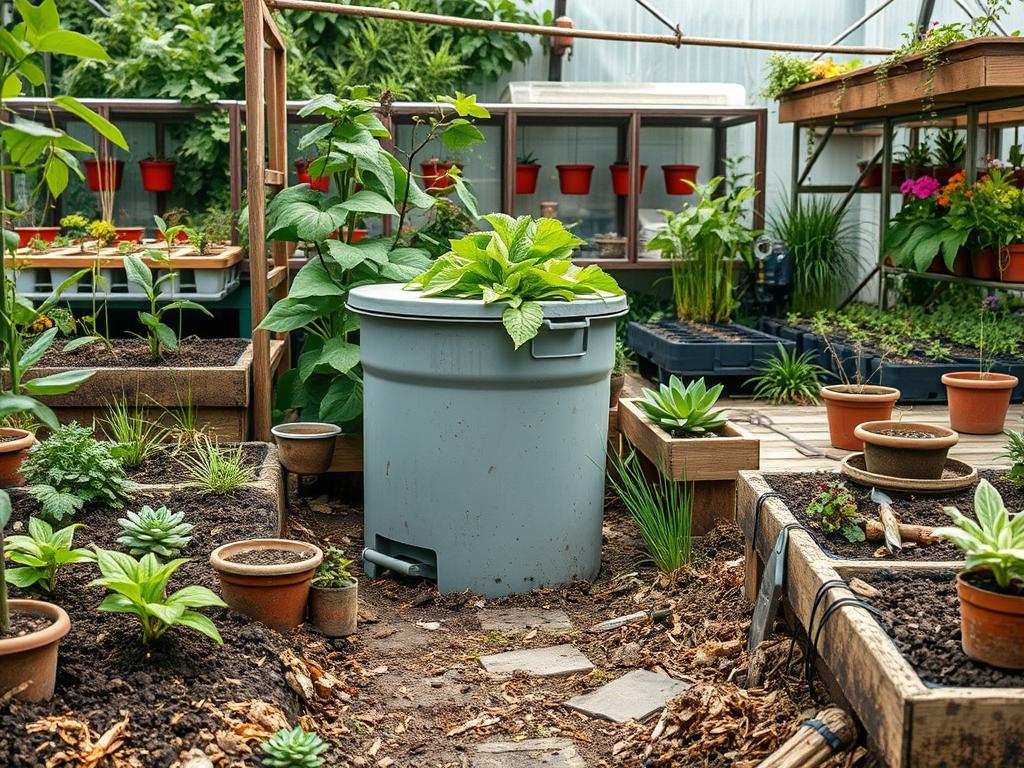
Integrating a functional composting system into a residential landscape requires a delicate balance between utility and aesthetics. Every high end outdoor environment should prioritize the lifecycle of organic matter, yet the visual presence of a decomposing pile often conflicts with the clean lines of professional softscaping. Backyard compost bin hiding is not merely about concealment; it is an exercise in spatial zoning and site engineering. A well placed bin serves as the engine of the garden, providing nutrient dense humus for ornamental shrubs and perennial beds, but its placement must account for prevailing wind patterns, solar exposure, and the existing drainage topology. A poorly situated bin can lead to anaerobic conditions or leachate runoff that damages nearby turfgrass. By applying landscape architecture principles, homeowners can transform a utilitarian necessity into a seamless element of their outdoor living space.
The primary challenge in backyard compost bin hiding lies in maintaining accessibility while achieving complete visual exclusion. Frequent access is required to deposit green waste and turn the pile, meaning the structure cannot be buried so deep in the undergrowth that it becomes a chore to reach. Architects often look for “dead zones” in a site plan, such as the area behind a detached garage, the side of a garden shed, or a transition point between the formal lawn and a wilder woodland fringe. The goal is to create a transition that feels intentional rather than accidental. Using lattice panels, custom carpentry, or dense evergreen screens, the composting area becomes a distinct room within the larger garden, separated by clear boundaries that maintain the property’s curb appeal and overall organizational logic.
Landscape Design Principles
Effective backyard compost bin hiding relies on the principle of visual buffering, where we use layers of height to lead the eye away from functional zones. Symmetry plays a significant role here; if a screen is placed on the left side of a garden to hide a bin, a matching architectural element or a mirrored planting group on the right can create a sense of balance. Focal points are another essential tool. By installing a high impact feature, such as a stone fountain or a sculptural specimen tree, the designer controls the viewer’s gaze, making the screened compost area virtually invisible through omission.
Elevation and grading must be considered early in the planning process. A compost bin should never be placed at the highest point of a slope where runoff could migrate toward a patio or pool area. Conversely, placing it in a low spot leads to waterlogging, which halts the decomposition process and creates odors. The ideal design involves a leveled pad of crushed limestone or pea gravel, which provides a stable base and excellent secondary drainage. Hardscaping elements, such as retaining walls built from interlocking concrete blocks or natural fieldstone, can be utilized to carve out a dedicated composting niche into a hillside, effectively using the earth itself as a three sided concealment barrier.
Walkway integration is the final piece of the design puzzle. A narrow path constructed from flagstone or decomposed granite ensures that the homeowner can navigate to the bin with a polypropylene wheelbarrow even during the wet season. This path should be flanked by low maintenance groundcovers to define the edge and prevent soil erosion. By treating the compost area as a destination within the landscape, it loses its “backyard clutter” status and becomes a structured part of the property’s flow.
Plant and Material Selection
Choosing the right materials for screening requires an understanding of durability and growth habits. The following table outlines the best plant species for creating living metabolic screens and the materials suited for structural enclosures.
| Plant Type | Sun Exposure | Soil Needs | Water Demand | Growth Speed | Maintenance Level |
| :— | :— | :— | :— | :— | :— |
| Thuja occidentalis | Full Sun / Part Shade | Well drained | Moderate | Fast | Low |
| Buxus microphylla | Part Shade / Shade | Loamy | Moderate | Slow | High (Pruning) |
| Miscanthus sinensis | Full Sun | Adaptable | Low | Fast | Low (Annual Cutback) |
| Taxus x media | Shade / Deep Shade | Rich, moist | Moderate | Moderate | Medium |
| Ilex glabra | Full Sun / Part Shade | Acidic | High | Moderate | Low |
| Privet (Ligustrum) | Full Sun | Any | Low | Very Fast | High (Frequent Trimming) |
For structural hiding, Western Red Cedar is the gold standard for fencing and enclosures due to its natural resistance to rot and insects. Pressure treated pine is a cost effective alternative, though it lacks the aesthetic warmth of cedar. If using metal, galvanized steel mesh combined with climbing vines like Clematis or Star Jasmine can create a “green wall” effect that provides high density screening with a minimal footprint.
Implementation Strategy
The execution of a backyard compost bin hiding project begins with a precise site survey. Mark out a 5 foot by 10 foot area to allow for the bin and room to maneuver. Once the location is selected, the first step is grading. Remove the turf and excavate the area to a depth of 4 inches. Fill this space with a layer of geotextile fabric to prevent weed growth, followed by 3 inches of 3/4 inch clean stone. This foundation ensures that the base of the bin stays dry and allows for the migration of beneficial soil microbes.
Next, install the vertical screening. If using a wooden enclosure, sink 4×4 pressure treated posts at least 24 inches into the ground, securing them with fast setting concrete. The screen should stand at least 12 inches taller than the compost bin itself to ensure the contents remain hidden from a standing eye level. For a softer look, install a modular trellis system and plant English Ivy or Honeysuckle at the base. Ensure there is a gap of at least 18 inches between the bin and the screen to allow for adequate airflow; without oxygen, the compost will become a source of unpleasant odors.
Finally, finish the perimeter with edging. Use aluminum bender board or steel edging to create a crisp line between the gravel compost pad and the surrounding mulch or lawn. Apply a 3 inch layer of shredded hardwood mulch around the planting screen to retain moisture for the new plants. This multi layered approach ensures the utility zone is physically separated from the ornamental zones of the garden.
Common Landscaping Failures
One of the most frequent mistakes in backyard compost bin hiding is improper drainage planning. Many enthusiasts place bins directly on heavy clay soil without a gravel base. Over time, the bottom of the pile becomes a muddy, anaerobic mess that leaches nitrogen rich fluid into the surrounding lawn, causing unsightly dark green patches or “burn” in the grass. Another common failure is root encroachment. If a bin is placed too close to a large Oak or Maple tree, the tree’s feeder roots will grow upward into the nutrient rich compost, making it nearly impossible to turn or harvest the finished material.
Improper spacing is also a major concern. When screens are installed too tightly around a bin to maximize concealment, they restrict the wind flow necessary for aerobic decomposition. This results in a lingering dampness that can rot wooden privacy fences and create a breeding ground for flies. Furthermore, failing to account for the “swing” of a bin’s lid or the “tilt” of a tumbler can result in a beautiful screen that is physically damaged the first time the bin is used. Always measure the full operational arc of your equipment before setting posts.
Seasonal Maintenance
Landscape management is a year round commitment, and the composting area is no exception. In the spring, focus on the structural integrity of your screens. Check wooden posts for frost heave and ensure that vines are properly trained onto their supports. This is also the time to harvest the finished compost and integrate it into your flower beds or vegetable garden using a transfer shovel.
During the summer, the primary goal is moisture management. If the weather is exceptionally dry, the compost pile and the living screens will both require supplemental irrigation. A soaker hose snaked behind the screen can provide consistent hydration to the plants without being visible. In autumn, clear away fallen leaves that might accumulate between the bin and the screen, as these can trap moisture against wooden structures and cause premature decay.
Winter maintenance involves protecting the biological activity within the bin. In colder climates, a layer of wheat straw or burlap can be draped over the bin to provide insulation. Ensure that paths are kept clear of snow with a poly snow shovel to allow for consistent kitchen scrap additions. By following this seasonal rhythm, the hidden compost zone remains a high performing asset to the landscape rather than a neglected corner.
Professional Landscaping FAQ
What is the best material for a compost screen?
Western Red Cedar is preferred for its longevity and aesthetic. For a living screen, Thuja occidentalis provides year round density. Both materials withstand the high moisture environment associated with active decomposition while maintaining a high end appearance.
How do I prevent my compost bin from smelling?
Ensure a 2:1 ratio of brown matter to green matter and maintain a porous gravel base for drainage. Proper airflow is critical; never block all four sides of a bin with solid barriers or non breathable materials.
Can I hide a compost bin in a small yard?
Yes. Use a vertical trellis system with climbing vines like Clematis to minimize the footprint. A slim, dark colored tumbler bin can also be tucked behind a single lattice panel to save horizontal space while remaining functional.
Will a compost bin attract pests to my garden?
When managed correctly, no. Use a bin with a locking lid and avoid composting meat or dairy. Enclosing the area with 1/2 inch hardware cloth buried 6 inches deep can further deter burrowing rodents from entering the composting zone.
How far should the bin be from the house?
A minimum distance of 15 feet is recommended. This provides easy access for kitchen scraps while ensuring that any potential odors or insects do not interfere with indoor living spaces or outdoor entertaining areas like patios.