
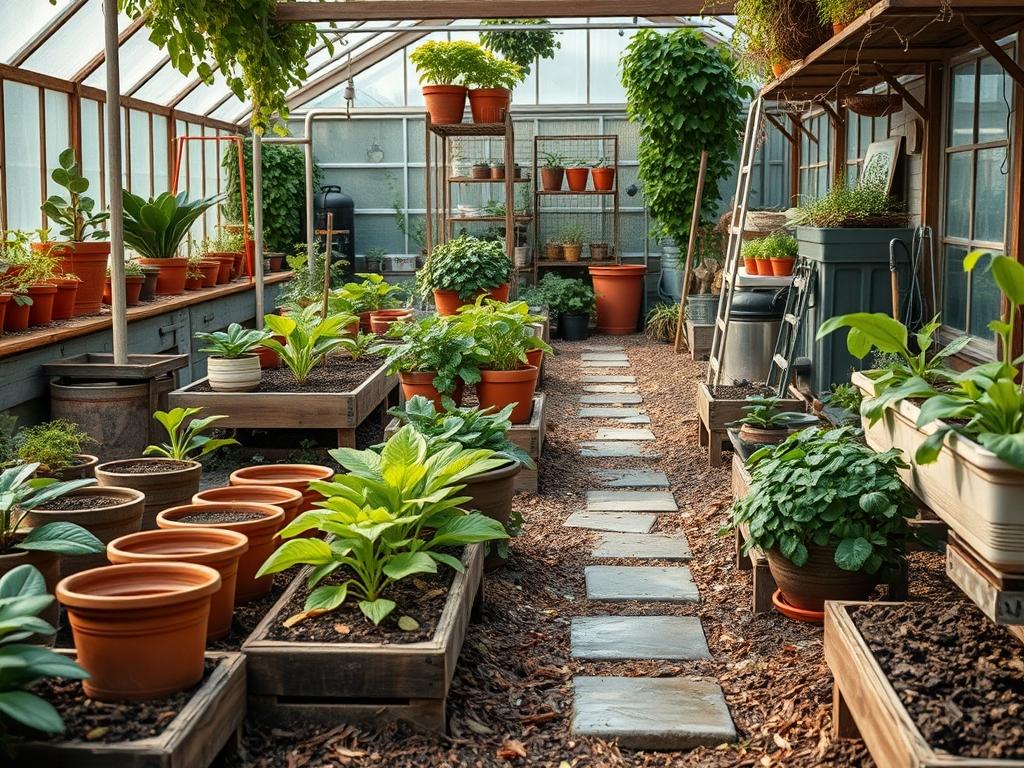
Designing a high-performance outdoor environment requires more than just aesthetic consideration; it demands an understanding of biological loads and atmospheric circulation. For homeowners with dogs, the primary challenge often shifts from simple plant selection to the complex issue of Backyard Pet Odor Elimination. When nitrogen-rich waste meets poorly drained soil or stagnant air pockets, the resulting anaerobic decomposition creates an environment that compromises both curb appeal and outdoor functionality. A professional landscape architect views a yard as a living filter. By integrating specific drainage strategies, air-flow-optimized plant placement, and reactive mineral substrates, it is possible to maintain a pristine, fragrant garden that accommodates pets without sacrificing the sophistication of high-end outdoor living.
The success of a natural odor-mitigation strategy depends heavily on local climate variables such as humidity and prevailing wind patterns. In humid regions, moisture lingering on leaves and in the soil can trap odor molecules, whereas in arid climates, dry waste can become airborne dust. To counter these effects, the design must prioritize permeability and microbial health. We are no longer just planting a garden; we are engineering a biological system designed to neutralize ammonia and organic compounds before they permeate the seating areas or entryways of the home. Through the careful application of horticultural science and civil engineering principles, your backyard can become a self-cleaning ecosystem.
Landscape Design Principles
Effective backyard planning begins with the concept of symmetry and architectural balance, but for pet owners, these visual goals must serve a double purpose. Symmetry allows for the creation of clear sightlines and defined traffic paths, which helps steer pets away from delicate ornamental beds. By establishing a central Focal Point, such as a stone sculpture or a high-quality water feature, you can anchor the eye while using the surrounding layout to manage airflow. Placing taller elements toward the perimeter and lower elements in the center creates a bowl effect that encourages air to circulate rather than settle, preventing localized scent pockets.
Elevation layers are critical for both visual depth and environmental health. Implementing Retaining Walls or raised tiers allows for the installation of specialized drainage layers that sit above the natural water table. In these elevated sections, you can specify high-performance soil mixes that facilitate rapid moisture movement. Strategic Irrigation Planning must also be integrated into the design. Modern systems using subsurface drip lines ensure that the root zones of Native Plants receive hydration without keeping the surface of the mulch constantly damp, which is a primary cause of lingering odors.
Walkways serve as the skeletal structure of the landscape. Using permeable materials like stone pavers with wide, gravel-filled joints provides a durable surface for foot traffic while allowing liquids to bypass the surface immediately. When these paths are lined with Buxus or other structured hedging, they create a visual and physical barrier that keeps pets on the paths and out of the “scent-sensitive” zones of the yard. This balance of hardscaping and softscaping ensures the yard remains functional for high-energy pets while maintaining the curated look of a professional estate.
Plant and Material Selection
The following selections focus on plants that offer natural fragrance, resilience to nitrogen, or physical durability.
| Plant Type | Sun Exposure | Soil Needs | Water Demand | Growth Speed | Maintenance Level |
| :— | :— | :— | :— | :— | :— |
| Lavandula angustifolia | Full Sun | Well-drained, Sandy | Low | Moderate | Low |
| Rosmarinus officinalis | Full Sun | Rocky, Dry | Very Low | Fast | Medium |
| Mentha piperita | Partial Shade | Moist, Rich | High | Aggressive | High |
| Pelargonium | Full Sun | Loamy, Light | Moderate | Fast | Low |
| Cymbopogon | Full Sun | Fertile, Well-drained | Moderate | Fast | Medium |
| Ocimum basilicum | Full Sun | Nutritious, Warm | Moderate | Fast | High |
| Nepeta cataria | Sun to Part Shade | Average, Sandy | Low | Fast | Low |
| Panicum virgatum | Full Sun | Variable, Tough | Diverse | Fast | Very Low |
Implementation Strategy
The construction phase of an odor-resistant backyard requires a methodical approach to the sub-surface environment. First, the Grading of the land must be checked using a Transit Level to ensure a minimum two-percent slope away from the home and any primary outdoor living spaces. If the yard is flat, artificial Elevation must be created by bringing in clean topsoil and shaping mounds or berms. This ensures that gravity assists in moving excess moisture toward designated collection points.
Once the grade is established, the installation of a French Drain system is highly recommended for high-use pet areas. This involves digging a trench, lining it with Geotextile Fabric, and laying a Perforated PVC Pipe surrounded by clean Crushed Stone. This system whisks away liquid waste before it can saturate the soil and begin the nitrogen-to-ammonia conversion process that causes odors.
For the surface layer, avoid standard wood bark mulch, which can hold moisture and harbor fungal growth. Instead, utilize a 3-inch layer of Zeolite or Decomposed Granite in pet runs. Zeolite is a natural mineral with a high cation-exchange capacity, meaning it physically traps ammonium ions on a molecular level. In garden beds, use Pine Straw or large-diameter Cedar Mulch, as these materials dry out faster and have natural antimicrobial properties. Finally, when installing Native Plants, ensure they are spaced according to their mature width to allow for maximum wind penetration, which naturally whisks away surface scents.
Common Landscaping Failures
The most frequent mistake in backyard management is neglecting the “invisible” layer of soil health. Soil compaction is a silent failure; when pets run over the same areas repeatedly, the soil particles are pressed together, eliminating the air pockets required for aerobic bacteria to survive. Without oxygen, the soil becomes sour, and odors intensify. Using a Core Aerator twice a year is the best way to combat this, especially in high-traffic Fescue or Bermuda Grass lawns.
Irrigation inefficiencies also contribute to odor problems. Over-watering creates a swampy environment that prevents the natural breakdown of pet waste. Conversely, under-watering in dry climates allows salts and urea to crystallize on the surface of the soil, where they release pungent fumes at the first sign of light rain or morning dew. Finding the “Goldilocks zone” of soil moisture is essential. Furthermore, root overcrowding in ornamental beds can lead to plant stress, making them less effective at absorbing nutrients and more prone to disease, which adds a rotting-vegetation smell to the pet-related odors already present.
Seasonal Maintenance
Spring is the time for reactivation. As the ground thaws, use a Power Rake to remove thatch from the lawn, allowing the soil to breathe. Apply a thin layer of Compost to reintroduce beneficial microbes that consume organic waste. This is also the ideal window to check your Drainage outlets for blockages caused by winter debris.
Summer maintenance focuses on hydration and dilution. During heat waves, a quick, heavy rinse of hardscaped areas like patios or stone paths with a High-Pressure Hose can wash away surface pheromones. Ensure that your Native Plants are pruned to maintain airflow, as dense, overgrown foliage in July and August can trap humid, smelly air near the ground.
Autumn requires the removal of fallen leaves, which can mat down and create an anaerobic layer over the soil. Use a Leaf Blower or Rake to keep the surface clear. This is also the time to refresh your Mulch layers. Adding a fresh 2-inch topping of Cedar Chips before the rainy season begins will provide a fresh carbon barrier against nitrogen-heavy winter runoff.
Winter management is often overlooked but is crucial for long-term odor control. When the ground is frozen, pet waste stays on the surface. Frequent manual pickup is the only defense during these months. If you use ice-melt products, choose salt-free versions to avoid damaging the specialized Soil chemistry you have worked to build, as high salt levels can kill the very microbes responsible for natural odor elimination.
Professional Landscaping FAQ
What is the best ground cover for high-traffic pet areas?
Decomposed Granite or Pea Gravel are superior to grass. They allow for rapid liquid drainage and do not harbor the bacteria found in decaying organic mulches. These materials can also be easily hosed down and disinfected without damaging plant life.
How do native plants help with backyard odors?
Native Plants are adapted to the local soil microbiology. They develop deeper root systems that help aerate the soil naturally. Their refined nutrient-absorption capabilities allow them to process nitrogen from pet waste more efficiently than non-native ornamental species.
Can a retaining wall help with drainage issues?
Yes, Retaining Walls allow you to create tiered levels with custom drainage pipes tucked behind the stones. This prevents liquid waste from pooling in low spots and directs it toward a Dry Well or municipal drainage system, keeping the surface dry.
Is Zeolite safe for all garden types?
Zeolite is a natural, non-toxic mineral. It is excellent for any garden because it improves the soil’s ability to hold onto nutrients while neutralizing odors. It is particularly effective when mixed into the top 4 inches of soil in frequent pet zones.
Why does my mulch smell worse after it rains?
Standard wood mulch often undergoes “sour mulch” fermentation if it stays too wet. This creates an acidic environment that traps pet odors. Switching to a more fibrous Cedar Mulch or a mineral-based substrate prevents this anaerobic process from occurring.