
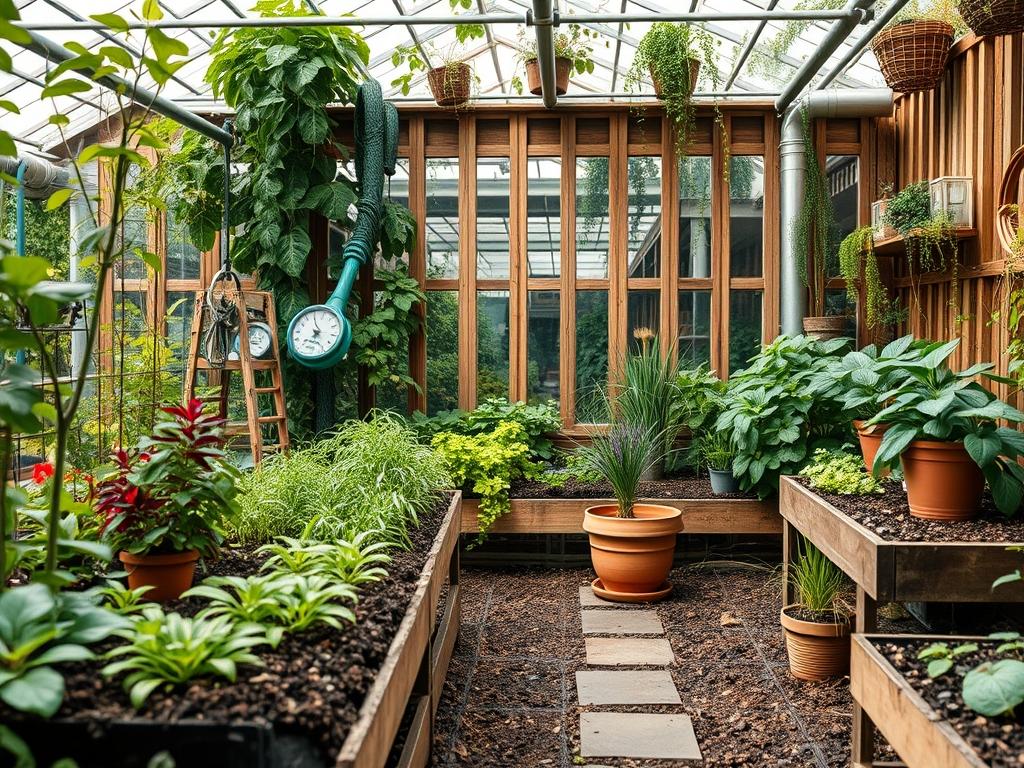
Transforming a constrained outdoor area requires a sophisticated understanding of spatial perception and material science. In the field of high-end residential design, the primary challenge of a small footprint is the psychological sensation of being boxed in by boundaries. When a yard is enclosed by standard fencing or masonry, the eye stops abruptly at the leaf or the wood, reinforcing the site’s limitations. By integrating strategic backyard mirrored wall ideas, we can effectively dissolve these physical borders and introduce a sense of infinite depth. This technique is not merely about vanity or decoration; it is a calculated architectural tool used to manipulate light and movement. In hot-arid climates, mirror placement must be managed carefully to avoid heat intensification, while in temperate zones, it serves to capture and amplify precious sunlight during shorter winter days. The ultimate goal is to enhance the functional outdoor environment while significantly boosting the property’s overall market value and ergonomic flow.
Landscape Design Principles
To successfully implement mirrored surfaces, one must adhere to the core principles of visual balance and focal point management. An haphazardly placed mirror can lead to confusion or, worse, reflect unattractive utility zones like trash storage or HVAC units. The concept of symmetry plays a vital role here. By positioning a mirror at the terminus of a primary walkway, you create a phantom path that appears to double the length of the garden. This extension uses the reflection of native plants and hardscape materials to trick the brain into perceiving a larger expanse.
Another critical factor is the elevation of the mirror. A mirror placed at ground level can reflect the floor of the garden, which is rarely the most attractive feature. Instead, elevating the mirror to eye level or integrating it into tiered retaining walls allows it to capture the mid-story canopy and the sky. This creates vertical depth. Furthermore, irrigation planning must account for the mirror’s presence. Water from high-pressure sprinkler heads should never hit the glass directly, as mineral deposits will quickly cloud the surface and degrade the underlying silvering. Design your irrigation zones to use drip emitters or low-profile bubblers near the base of the mirrored wall to maintain clear reflections.
Plant and Material Selection
The success of a mirrored installation depends heavily on the botanical textures surrounding it. Soft, feathery foliage contrasts beautifully against the rigid, smooth surface of the reflective material. Generally, we recommend using tempered glass for safety or 3mm acrylic sheets for flexibility and impact resistance.
| Plant Type | Sun Exposure | Soil Needs | Water Demand | Growth Speed | Maintenance Level |
| :— | :— | :— | :— | :— | :— |
| Boxwood (Buxus) | Full Sun to Shade | Well-Drained | Moderate | Slow | Low |
| Japanese Maple | Partial Shade | Slightly Acidic | High | Moderate | Medium |
| Creeping Jenny | Full Sun to Part Shade | Moist/Wet | High | Fast | Medium |
| Lavender | Full Sun | Sandy/Gritty | Low | Moderate | Low |
| Sword Fern | Full Shade | Organic/Rich | Moderate | Moderate | Low |
| Star Jasmine | Full Sun to Part Shade | Loamy | Moderate | Fast | Medium |
When selecting materials for the frame and backing, durability is paramount. Use marine-grade plywood as a substrate to prevent warping behind the mirror. Hardware should always be stainless steel or galvanized steel to resist corrosion from humidity and soil contact. For the base, a layer of washed river rock or black slate chips provides a clean, modern aesthetic that reflects cleanly in the bottom edge of the mirror.
Implementation Strategy
The process begins with a precise site assessment. Use a laser level to determine the grade of the area where the mirror will be installed. If the ground is uneven, you must perform minor grading to ensure the vertical supports are perfectly plumb. A mirror that leans even half a degree forward will reflect the ground, while one that leans back will reflect only the sky; both neutralize the illusion of an extended garden.
Dig post holes to a depth of at least 24 inches to ensure stability against wind loads. Use 4×4 pressure-treated lumber for the vertical posts, setting them in high-strength concrete. Once the frame is secure, install a moisture barrier between the wooden frame and the mirror backing. This is a critical step often overlooked by novices. Without a barrier, moisture trapped behind the glass will cause the silvering to peel, a process known as black edge.
Apply a neutral-cure silicone adhesive in vertical ribbons to the back of the acrylic mirror. Vertical ribbons allow for air circulation and moisture drainage, whereas horizontal ribbons can trap water. Once the mirror is mounted, install a Z-flash metal cap along the top edge to prevent rainwater from seeping behind the structure. Finally, dress the base with 3 inches of cedar mulch or decorative gravel to provide a buffer between the glass and the soil, which prevents splashing during heavy rain.
Common Landscaping Failures
The most frequent error in small-yard mirror placement is neglecting drainage. If a mirrored wall is built against a fence without a proper French drain or gravel trench at the base, water will pool and rot both the mirror frame and the fence itself. Soil compaction is another silent killer. When installers transit the area repeatedly, they crush the air pockets in the soil, leading to poor root health for the very plants intended to be reflected. Use plywood sheets as temporary walkways during construction to distribute weight.
Improper spacing of plants also plagues many designs. Reflective surfaces double the visual density of your foliage. If you plant Boxwood too closely to the mirror, the reflection will make the area look overcrowded and cluttered rather than spacious. Aim for at least 12 inches of clearance between the glass and the nearest leaf. Lastly, safety for local wildlife is often ignored. Birds may fly into clear reflections. To mitigate this, practitioners often use UV-reflective decals or slightly angle the mirror downward so it reflects the ground rather than the open sky to approaching birds.
Seasonal Maintenance
A mirrored garden is a dynamic environment that requires specific care throughout the year. In the Spring, inspect the caulking and sealants for any cracks that may have developed during the freeze-thaw cycle of winter. This is also the time to apply a fresh 2-inch layer of mulch to keep the root systems of reflected plants cool as temperatures rise.
During the Summer, the primary concern is cleanliness. Dust and pollen can dull the reflective quality of the glass. Clean the surface using a mixture of distilled water and white vinegar with a microfiber cloth. Avoid using harsh chemicals that could run off and damage the soil pH of your planting beds. In Autumn, keep the mirrors clear of falling leaves and debris that can trap moisture against the frame. Prune back any Star Jasmine or other climbing vines that threaten to obscure the mirror’s surface. In Winter, if you live in a region with heavy snow, ensure that snowbanks are not piled against the mirror, as the weight and moisture can lead to structural failure once the thaw begins.
Professional Landscaping FAQ
How do I prevent my backyard mirror from breaking in extreme weather?
Always use tempered safety glass or high-impact acrylic. Ensure the mirror is mounted to a solid marine-grade plywood backing with neutral-cure silicone. This provides the necessary structural support to withstand high winds and temperature fluctuations.
Will a mirrored wall in the garden cause a fire hazard?
Avoid using concave mirrors, which concentrate light. Flat garden mirrors generally do not pose a fire risk. However, you should avoid placing mirrors in direct, unshaded southern exposures where the reflected heat might scorch sensitive native plants.
What is the best way to hide the edges of the mirror?
Incorporate the mirror into a custom timber frame or surround it with climbing plants like Clematis or Star Jasmine. Using vertical cedar slats can also create a contemporary look while shielding the raw edges of the glass.
Can I use a standard indoor mirror for my backyard project?
No, indoor mirrors are not designed for moisture exposure. The silvering will oxidize and turn black within months. Always source exterior-rated mirrors or ensure the back and edges are professionally sealed with a weatherproof coating.
How do I keep birds from flying into my mirrored wall?
Slightly canting the mirror at a 5-degree downward angle ensures it reflects the ground rather than the sky to oncoming birds. Additionally, placing a few decorative screens or thin metal lattices in front of the glass breaks up the reflection.