
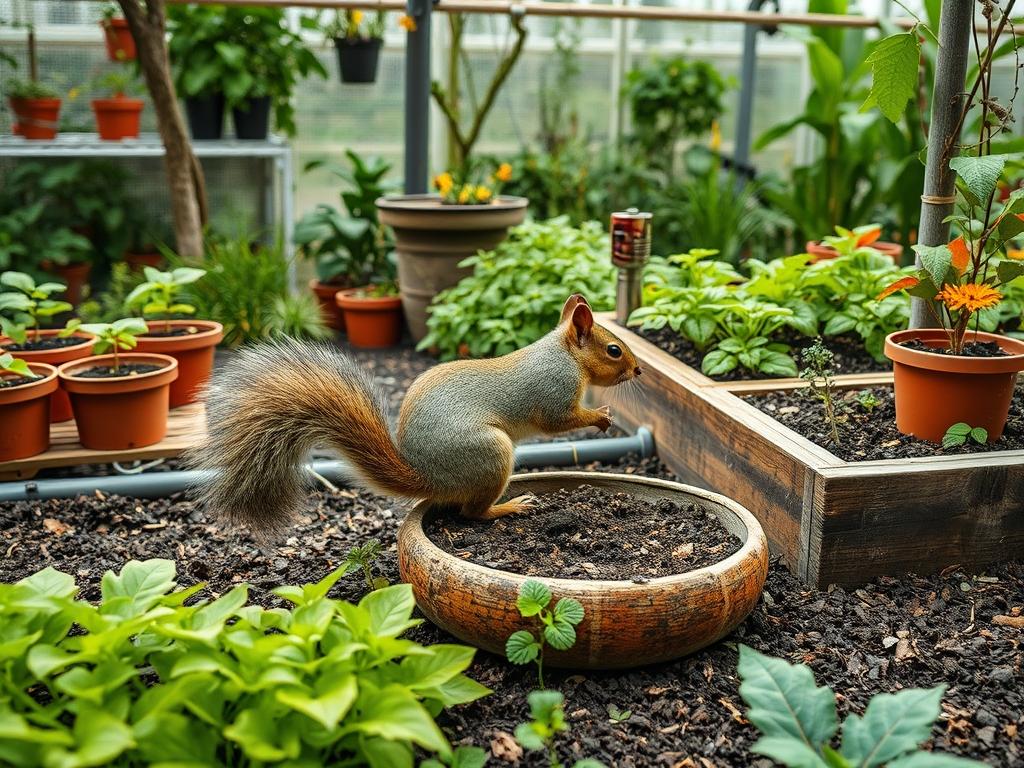
Integrating wildlife observation into a residential landscape requires a sophisticated balance between aesthetic appeal and ecological functionality. When property owners explore various backyard squirrel feeder ideas, they are often looking for ways to enhance the natural rhythm of their outdoor space while maintaining the structural integrity of their gardens. A successful landscape design does not just accommodate flora; it invites fauna in a controlled, intentional manner. As a landscape architect, I view these additions as part of a larger strategy to create a multi-sensory environment. The challenge lies in placing these elements so they do not detract from the curb appeal or interfere with the primary utility of the patio, deck, or lawn. By considering the local climate and seasonal shifts, a well placed feeding station becomes a dynamic focal point that evolves throughout the year.
The primary goal of any outdoor environment consultant is to ensure that every feature, whether it is a retaining wall or a whimsical squirrel gym, serves a purpose. Incorporating wildlife features into the master plan helps mitigate potential conflicts between animals and expensive ornamental plantings. When squirrels have a dedicated, reliable food source located in a specific “wild” zone of the yard, they are less likely to raid bird feeders or dig up freshly planted Tulip Bulbs. This strategic diversion is essential for maintaining the pristine look of high end landscaping while still embracing the charm of local wildlife.
Landscape Design Principles
Effective landscape design relies on the core concepts of symmetry and focal points to guide the eye through the environment. When integrating backyard squirrel feeder ideas, these structures should be treated as architectural accents. Placing a feeder at the end of a visual axis, such as a long Stone Walkway or centered within a frame of Hedge Rows, creates a sense of purpose. Symmetry can be achieved by flanking a central garden feature with two identical mounting posts, ensuring the wildlife activity feels like a deliberate part of the scenery rather than an afterthought.
Elevation layers play a crucial role in how we perceive depth in a backyard. By utilizing different heights, from ground-level platforms to feeders mounted 6 feet high on Cedar Posts, designers can create a vertical interest that mimics a natural forest edge. This layering also aids in irrigation planning. Since feeding areas often experience high traffic, they should be located in well drained zones where runoff from Sprinkler Heads will not create a muddy mess. Walkways should lead near these areas but not directly through them, allowing for observation from a distance without disturbing the animals or compacting the soil in delicate root zones. Visual balance is maintained by ensuring that the scale of the feeder matches the surrounding vegetation, preventing a small feeder from getting lost against a massive Oak Tree or a large structure from overwhelming a cluster of Dwarf Shrubs.
Plant and Material Selection
The following table outlines plants that complement squirrel friendly landscapes by providing natural cover, nesting materials, or supplemental food sources while maintaining high aesthetic value.
| Plant Type | Sun Exposure | Soil Needs | Water Demand | Growth Speed | Maintenance Level |
| :— | :— | :— | :— | :— | :— |
| White Oak | Full Sun | Well-drained, acidic | Moderate | Slow | Low |
| American Hazelnut | Partial Shade | Loamy, moist | Moderate | Medium | Medium |
| Eastern White Pine | Full Sun | Sandy, well-drained | Low | Fast | Low |
| Purple Coneflower | Full Sun | Any well-drained | Low | Medium | Low |
| Serviceberry | Partial Sun | Moist, acidic | Moderate | Medium | Medium |
| Switchgrass | Full Sun | Varied | Low | Fast | Low |
For the installation of feeders, material choice is paramount. We recommend using Pressure-Treated Lumber or Western Red Cedar for durability against the elements. Connecting hardware should consist of Stainless Steel Screws to prevent rust streaks from staining the wood or the surrounding Concrete Pavers.
Implementation Strategy
Implementing backyard squirrel feeder ideas requires a systematic approach to garden layout planning. First, the site must be graded to ensure that water flows away from the base of any mounting structures. If a feeder is placed on a post, the site should be excavated to a depth of 24 inches and backfilled with Crushed Stone or Concrete to ensure stability against wind and climbing weight. Edging around the feeder area using Steel Edging or Brick Borders helps define the space and prevents the spread of discarded nut shells into the main lawn.
Mulch management is a critical component of the installation. A layer of Hardwood Mulch at a depth of 3 inches should be maintained around the base of the feeding station. This helps with drainage, suppresses weeds that might sprout from dropped seeds, and provides a clean surface that can be easily raked or refreshed. Hardscaping elements, such as a small Bistro Table or a Teak Bench, should be positioned at least 10 feet away. This distance provides a clear line of sight for the observer while giving the squirrels a “flight zone” where they feel safe enough to linger and interact with the various feeders.
Common Landscaping Failures
One of the most frequent mistakes in backyard planning is poor drainage around high activity zones. If a squirrel feeder is placed in a low-lying area, the constant traffic from the animals will quickly turn the turf into a mud pit. This not only looks unsightly but also harbors bacteria. Another issue is root overcrowding. Many homeowners attempt to nail feeders directly into the trunks of young Maples or Birches. This can damage the vascular system of the tree or invite pests. Instead, use a free-standing post or a tree-friendly hanging strap that can be adjusted as the tree grows.
Improper spacing is another common failure. Placing a feeder too close to your home’s foundation or roofline can encourage squirrels to transition from the garden to your attic. We recommend a minimum clearance of 10 to 15 feet from any structure. Soil compaction is a hidden danger; when people congregate in the same spot to refill a feeder, the soil becomes dense, preventing oxygen from reaching the roots of nearby Ornamental Plants. To combat this, install a small Flagstone Landing or a gravel patch where you intend to stand during maintenance. Finally, irrigation inefficiencies occur when Drip Lines are accidentally severed during the installation of feeder posts. Always flag your irrigation lines before digging.
Seasonal Maintenance
Landscape management is a year round commitment that changes with the weather. In the spring, the focus should be on cleaning. Remove any accumulated debris from the winter and check that all Bolts and Hooks are secure. This is also the time to apply a fresh layer of Mulch to the feeding area to prepare for the growing season. As summer arrives, the primary task is hydration and hygiene. High temperatures can cause leftover food to spoil quickly, so feeders should be scrubbed with a mild vinegar solution. Ensure that your Irrigation System is not over-spraying the feeders, as constant moisture will lead to wood rot and fungal growth.
Autumn is the busiest time for squirrel activity. This is the season to inspect the structural integrity of your backyard squirrel feeder ideas. Check for signs of wear and tear and ensure that the surrounding Perennials are cut back to provide clear lines of sight. In the winter, the landscaping challenge shifts to accessibility. Keep a path cleared through the snow to the feeding station using a Plastic Snow Shovel to avoid damaging any hidden Hardscape elements. Providing high energy food during these months helps local wildlife survive the cold while giving you a vibrant view of nature during an otherwise dormant season in the garden.
Professional Landscaping FAQ
How do I prevent feeders from ruining my lawn?
Install a 12 inch deep layer of Pea Gravel or River Rock directly beneath the feeder. This catches debris and prevents squirrels from burying nuts in your turf, which usually leads to unsightly holes and uneven grass growth.
Which wood is best for custom squirrel structures?
Western Red Cedar and Redwood are the premier choices. These woods contain natural oils that resist decay and insect infestation without the need for toxic stains. This ensures the safety of the wildlife and the longevity of the installation.
Can squirrel feeders be part of a modern design?
Absolutely. Use sleek Powder-Coated Steel or Acrylic materials for the feeders. Mount them on minimalist Black Metal Poles and surround the base with architectural plants like Horsetail Reed or Boxwood Hedge for a clean, contemporary aesthetic.
Will feeders attract other unwanted pests?
To minimize unintended visitors, use Weight-Sensitive Feeders and keep the area clean. Regularly rake the Mulch underneath to remove spilled seeds. Positioning the station away from dense Brush Piles also reduces the likelihood of attracting rodents or larger predators.
How do I protect my expensive ornamental trees?
Strategic placement is key. Place “fun” feeders in the corners of the property away from your Prized Specimens. By providing an easy, accessible food source, you decrease the motivation for squirrels to strip bark or buds from your Japanese Maples.