
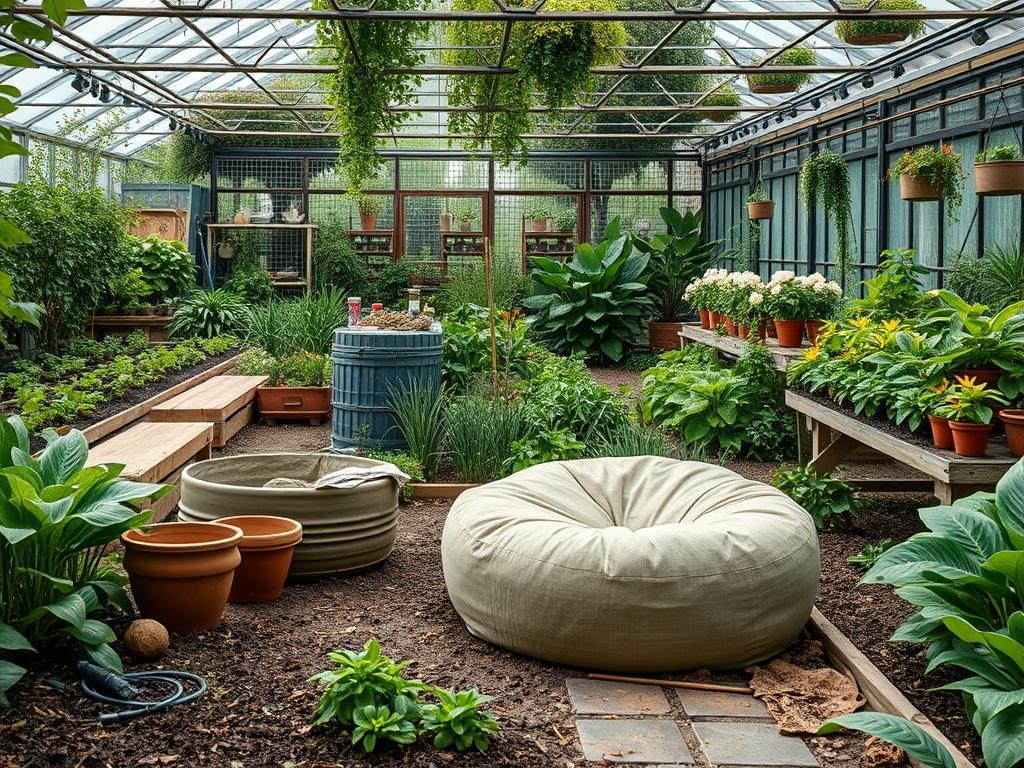
Designing a cohesive outdoor environment requires a sophisticated balance between tectonic rigidity and organic comfort. In the modern residential landscape, the introduction of Backyard Bean Bag Seating represents a departure from the static nature of traditional wrought iron or teak furniture. While these soft, ergonomic pieces offer unparalleled relaxation, they present unique challenges for the landscape architect. Integrating these elements necessitates a deep understanding of site drainage, material science, and spatial flow to ensure that the furniture enhances the curb appeal rather than detracting from it. The primary goal is to create a transition between the built environment and the natural world, where the seating feels like an intentional extension of the garden rather than an afterthought. Climate remains the most significant variable; a professionally planned lounge area must account for high UV exposure, sudden precipitation, and the long term effects of moisture on both the furniture and the substrate beneath it.
Landscape Design Principles
Successful integration of Backyard Bean Bag Seating begins with the core principles of symmetry and visual balance. Because bean bags lack the structured lines of a couch or chair, the surrounding landscape must provide the necessary architectural “bones.” We achieve this through the use of Retaining Walls or structured Hedges to frame the seating area. A common technique involves creating a designated “lounge pod” using Steel Edging to define a crisp circular or rectangular boundary. This prevents the casual nature of the furniture from bleeding into the more formal garden beds.
Elevation layers are equally critical. When users occupy bean bag seating, their eye level is typically lower than it would be in a standard chair. To compensate for this, we design the surrounding flora in tiers. Lower-level groundcovers should be placed nearest to the seating, followed by mid-sized shrubs and taller specimen trees in the background. This prevents the user from feeling “sunken” or hemmed in by the vegetation. Furthermore, the seating area must be positioned near a logical focal point, such as a Gas Fire Pit or a modern water feature. This anchors the furniture and provides a functional purpose for the spatial arrangement. Walkway planning is the final step in this phase. Pathing using 36-inch Flagstone Pavers ensures that the seating area is accessible during wet weather, preventing mud from being tracked onto the delicate textile surfaces of the bean bags.
Plant and Material Selection
Selecting the right plant palette and base materials is vital for the longevity of both the landscape and the furniture. The plants chosen must be hardy enough to withstand occasional contact from moving furniture while providing the necessary shade and privacy.
| Plant Type | Sun Exposure | Soil Needs | Water Demand | Growth Speed | Maintenance Level |
| :— | :— | :— | :— | :— | :— |
| Blue Fescue | Full Sun | Well-drained | Low | Moderate | Low |
| Mexican Feather Grass | Full Sun | Sandy/Loam | Very Low | Fast | Medium |
| Boxwood | Full to Part Sun | Loamy/Rich | Medium | Slow | High |
| Dwarf Fountain Grass | Full Sun | Adaptable | Moderate | Fast | Low |
| Creeping Thyme | Full Sun | Well-drained | Low | Moderate | Very Low |
| Japanese Maple | Part Shade | Acidic/Moist | Medium | Slow | Medium |
For the substrate, we avoid organic Mulch directly under the bean bags. Mulch retains moisture and can lead to fungal growth on the underside of the fabric. Instead, we recommend a base of Crushed Granite or Pea Gravel. These materials provide excellent drainage and a level surface for the Backyard Bean Bag Seating. For higher-end installations, Synthetic Turf with a high-permeability perforated backing is an excellent choice as it provides a soft surface that stays dry and avoids the compaction issues associated with natural grass.
Implementation Strategy
Implementing a professional backyard lounge begins with earthwork. We start by grading the area to ensure a 2 percent slope away from the home or any retaining structures. This prevents pooling and ensures that the base of the bean bag remains dry. Once the grade is established, we excavate to a depth of 4 inches for the seating pad. A layer of Landscape Fabric is installed to prevent weed penetration and to keep the aggregate from migrating into the native soil.
The next step is the installation of the sub-base. We use a Plate Compactor to firm up a 2-inch layer of Crushed Limestone, followed by another 2-inch layer of the chosen finish material, such as Decomposed Granite. If the design calls for a more permanent structure, we might install Permeable Pavers which allow water to flow through the joints into a gravel reservoir below.
When it comes to the bean bags themselves, material selection is the most important factor in weatherproofing. We specify fabrics like Solution-Dyed Acrylic or Olefin because these textiles are dyed to the core, providing exceptional resistance to UV fading. The internal construction should utilize High-Density Polystyrene (EPS) Beads housed within a separate Waterproof Inner Liner. This dual-layer system allows the outer cover to be removed for professional cleaning while protecting the filling from absorbing ambient moisture.
Common Landscaping Failures
The most frequent failure in outdoor seating design is improper drainage. If a bean bag sits on a non-permeable surface like concrete without a slight pitch, water will collect at its base. This creates a micro-climate for mold and mildew. Another common error is “root overcrowding” where plants are placed too close to the seating zone without considering their mature width. A Boxwood that is 12 inches wide at planting may reach 36 inches in three years, eventually pushing the bean bag out of its designated area.
Soil compaction is also a hidden threat. Frequent foot traffic around the seating area can crush the soil structure, leading to “pudding” where water stays on the surface rather than infiltrating. Using a Garden Fork to aerate the peripheral soil at least once a season can mitigate this. Finally, irrigation inefficiency often ruins outdoor textiles. If the Pop-up Sprinkler Heads are adjusted incorrectly, they may spray directly onto the furniture every morning. This constant wetting and drying cycle degrades the UV coating on the fabric and causes the internal beads to lose their buoyancy over time.
Seasonal Maintenance
To maintain the architectural integrity of the space, a seasonal schedule is mandatory. In the Spring, the focus is on “un-winterizing” the site. This involves using a Power Blower to remove debris from the gravel base and checking the Automatic Irrigation System for leaks or redirected nozzles. This is also the time to apply a Pre-emergent Herbicide to the gravel areas to prevent weed seeds from germinating.
Summer maintenance centers on UV protection and hydration. While high-end Backyard Bean Bag Seating is designed for the sun, we recommend applying a Fabric Protectant Spray every few months to bolster the factory finish. Weekly grooming of any Ornamental Grasses ensures they do not droop into the lounging area.
Autumn requires the removal of leaf litter. Decomposing organic matter produces tannins that can permanently stain outdoor fabrics. We advise using a Stiff-Bristle Brush to clean the seams of the bean bags where needles and small leaves tend to collect.
Winter management depends on the local climate. In regions with heavy snow, the bean bags should be moved to a dry storage area or covered with a Heavy-Duty Furniture Cover secured with Bungee Cords. For the landscape itself, ensure that the Drainage Grates are clear of ice and debris to prevent winter flooding.
Professional Landscaping FAQ
How do I prevent my bean bags from blowing away during high winds?
We recommend using Bean Bag Anchors or choosing models with a Weighted Base. Some designers prefer to incorporate a hidden Tether System using Stainless Steel Cables attached to a fixed Ground Anchor or a nearby Heavy Planter.
What is the best way to clean bird droppings and sap from the fabric?
Use a mixture of Mild Dish Soap and lukewarm water. Gently scrub with a Soft-Bristle Brush. For stubborn sap, use a small amount of Isopropyl Alcohol on a cloth, but test a hidden patch first to ensure colorfastness.
Can I leave my outdoor bean bags out in the rain?
Yes, provided they are made of Marine-Grade Vinyl or Solution-Dyed Acrylic. Ensure they are placed on a Permeable Base like Gravel so water can drain away, and flip them vertically after heavy rain to speed up drying.
How often do the internal beads need to be replaced?
EPS Beads naturally compress over time due to body heat and weight. To maintain the ergonomic shape, expect to add a “top-off” bag of Polystyrene Refill every 12 to 18 months depending on the frequency of use.
Which base material is easiest to maintain under outdoor furniture?
Decomposed Granite with a Stabilizing Binder is highly recommended. It provides the firm, level surface of a paver while maintaining the natural aesthetic of stone, and it is far more effective at drainage than traditional poured concrete.