
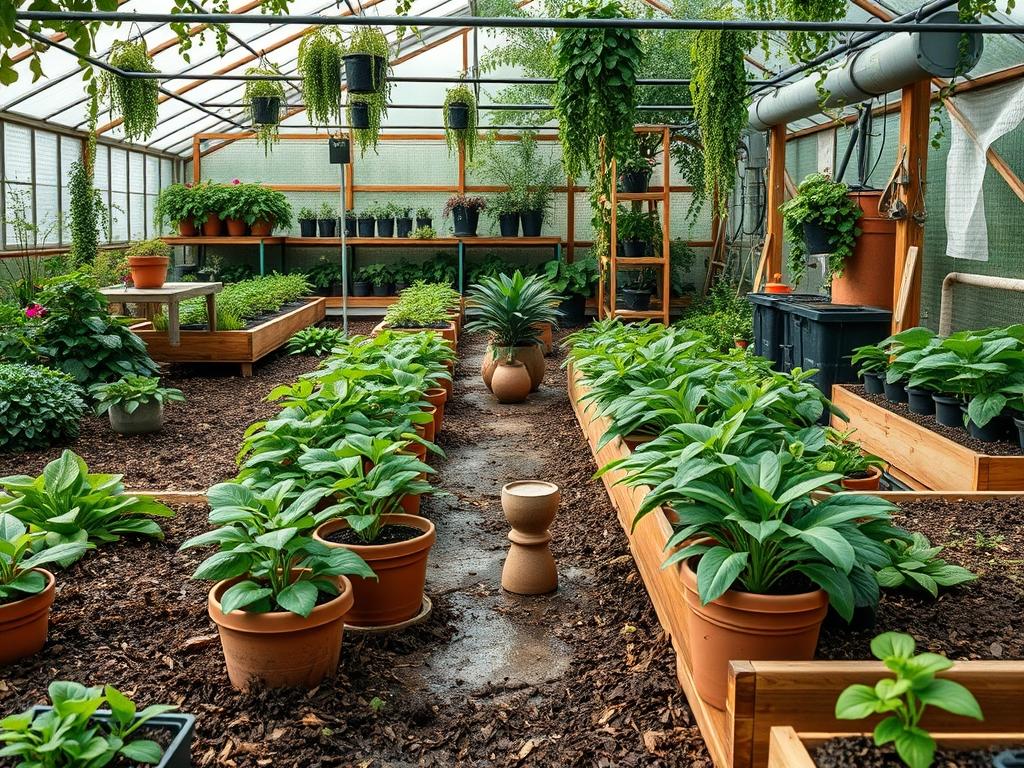
Integrating pest management into a high-end residential landscape requires a subtle balance between botanical aesthetics and functional site engineering. When clients request a flea-free environment, the solution rarely lies in chemical saturations alone; instead, it involves a strategic deployment of specific flora that naturally disrupts the life cycle of pests. A professional landscape architect views the backyard as an ecosystem where topography, moisture levels, and plant selection intersect to create a barrier. By leveraging the secondary metabolites of certain species, we can design outdoor living spaces that are both visually stunning and biologically hostile to fleas. This transition from a traditional lawn to a multi-layered, pest-repellant landscape also improves curb appeal and increases the property’s utility for pets and children. Sustainable design necessitates a thorough site analysis, focusing on microclimates where humidity and shade might otherwise encourage infestations of Siphonaptera.
Landscape Design Principles
Effective backyard flea control starts with the foundational principles of landscape architecture: symmetry, focal points, and elevation layering. To maximize the efficacy of Backyard Flea Control Plants, we must place them in “high-traffic transition zones” such as walkways, patio perimeters, and pet runs. Symmetry in planting beds allows for a uniform distribution of natural repellents, ensuring no gaps exist for pests to colonize. We often utilize tall, structural plants such as Lemongrass as focal points in the corners of a yard, while using lower-growing species like Mint as groundcover within controlled borders. Integrating these plants into a multi-tiered elevation strategy ensures that the essential oils are released at various heights, creating a comprehensive scent barrier.
Effective irrigation planning is equally vital. Fleas thrive in damp, compacted soil; therefore, we prioritize subsurface drainage and French drains to prevent standing water. Walkways should be constructed using permeable pavers or crushed gravel, which facilitates rapid drainage while providing a dry surface that fleas find difficult to traverse. Visual balance is achieved by mixing the fine textures of Lavender with the broad, coarse leaves of Sage, creating a sophisticated palette that serves a dual purpose. By designing tiered retaining walls, we can also manage soil moisture levels more effectively, keeping the root zones of repellant plants healthy while keeping the surrounding area dry.
Plant and Material Selection
| Plant Type | Sun Exposure | Soil Needs | Water Demand | Growth Speed | Maintenance Level |
| :— | :— | :— | :— | :— | :— |
| Lavender | Full Sun | Sandy, Well-drained | Low | Moderate | Medium (Pruning) |
| Rosemary | Full Sun | Loamy, Well-drained | Low | Moderate | Low |
| Mint | Partial Shade | Rich, Moist | High | Fast | High (Invasive) |
| Chrysanthemum | Full Sun | Fertile, Well-drained | Medium | Moderate | Medium |
| Lemongrass | Full Sun | Loamy, Moist | High | Fast | Low |
| Sage | Full Sun | Sandy, Dry | Low | Moderate | Low |
| Catnip | Full Sun/Part Shade | Average, Well-drained | Medium | Fast | Medium |
| Lemon Balm | Partial Shade | Rich, Well-drained | Medium | Fast | High (Spreading) |
| Marigolds | Full Sun | Average, Well-drained | Medium | Fast | Low (Deadheading) |
| Sweet Fern | Full Sun/Part Shade | Acidic, Sandy | Low | Slow | Low |
Implementation Strategy
The successful execution of a pest-resistant landscape begins with professional site grading. We aim for a 2-percent slope away from the home’s foundation to ensure adequate drainage. Once the grade is established, the garden layout is marked using a line level and marking paint. For the planting beds, we recommend a soil amendment strategy involving organic matter and coarse sand to prevent the compaction that pests prefer. Edging should be installed at a 4-inch depth to provide a clean break between turf and repellent gardens, also serving to contain more aggressive species like Mint.
When planting, ensure the root ball is level with the surrounding soil to prevent crown rot. We recommend a 3-inch mulch depth using Cedar chips rather than standard hardwood mulch. Cedar contains natural oils that act as a secondary repellent, reinforcing the impact of the Backyard Flea Control Plants. For hardscaping, ensure that retaining walls are backfilled with 3/4-inch crushed stone to facilitate water movement. Every plant should be positioned according to its future spread to avoid overcrowding, which creates the humid, shaded pockets where fleas eggs flourish. Finally, a smart irrigation system with drip lines should be installed to deliver water directly to roots, keeping the foliage and topsoil surface dry.
Common Landscaping Failures
The most frequent error in pest-mitigating landscapes is poor drainage. When water pools in low spots, it creates a nursery for fleas and mosquitoes, regardless of the plants present. We often see homeowners neglect soil compaction issues; hard, packed earth prevents water infiltration and stresses the repellant plants, reducing their oil production. Another common failure is improper spacing of Backyard Flea Control Plants. If plants are too crowded, air circulation is restricted, leading to fungal issues and providing flea larvae with the perfect humid environment.
Irrigation inefficiencies also play a significant role. Over-watering with overhead sprinklers keeps the lawn canopy damp for extended periods. We advise against using fine, moisture-retaining mulches like peat moss, which can harbor pests. Furthermore, many DIY projects fail to account for the invasive nature of species like Mint or Lemon Balm. Without proper containment in sunken pots or lineal root barriers, these plants can overtake a garden, leading to a monoculture that lacks the aesthetic diversity and structural integrity required for a professional landscape.
Seasonal Maintenance
Seasonal management is the key to longevity in any outdoor environment. In the spring, focus on aeration of the lawn to reduce compaction and the application of a slow-release NPK 10-10-10 fertilizer to jumpstart the growth of repellent shrubs. This is also the prime time to refresh Cedar mulch levels and check the irrigation system for leaks or clogged emitters. Pruning of Rosemary and Lavender should occur before new growth hardens to maintain a tight, ornamental shape.
During the summer, maintenance revolves around moisture management and deadheading flowers like Marigolds and Chrysanthemums to encourage continuous blooming. Check soil levels with a moisture meter to ensure you are not over-irrigating during humid spells. As autumn approaches, cut back herbaceous perennials and remove any fallen leaf litter, which can act as a wintering ground for flea larvae. In the winter, focus on protecting the root systems of your structural plants with a final layer of mulch and ensure that drainage paths remain clear of debris to prevent ice damming and soil saturation during the spring thaw.
Professional Landscaping FAQ
How many repellent plants do I need for my yard?
Effectiveness depends on density. We recommend placing a cluster of Backyard Flea Control Plants every 5 to 10 feet along the perimeter of high-usage areas to ensure the fragrance barrier is consistent and strong enough to deter pests.
Are these plants safe for my dogs and cats?
Most listed species like Rosemary and Lavender are safe, but some, like certain Chrysanthemums, can be toxic if ingested in large quantities. Always verify plant safety with a veterinarian if your pets are known to chew on garden foliage.
Can I use these plants instead of chemical treatments?
These plants work best as a preventative, integrated layer of defense. While they significantly reduce flea populations, a severe infestation may still require initial professional treatment before the botanical barrier can effectively maintain a pest-free environment.
Which plant is the most effective for a small patio?
Rosemary is highly recommended for small spaces. It is a hardy, upright shrub that produces high concentrations of essential oils. It thrives in containers and provides a structural element that enhances the architectural lines of modern patios.
How long does it take for the plants to start working?
The repellent effect increases as the plants mature and their biomass expands. You will notice a difference within one growing season as the plants reach a 12-inch to 24-inch spread and begin releasing higher volumes of aromatic compounds.