
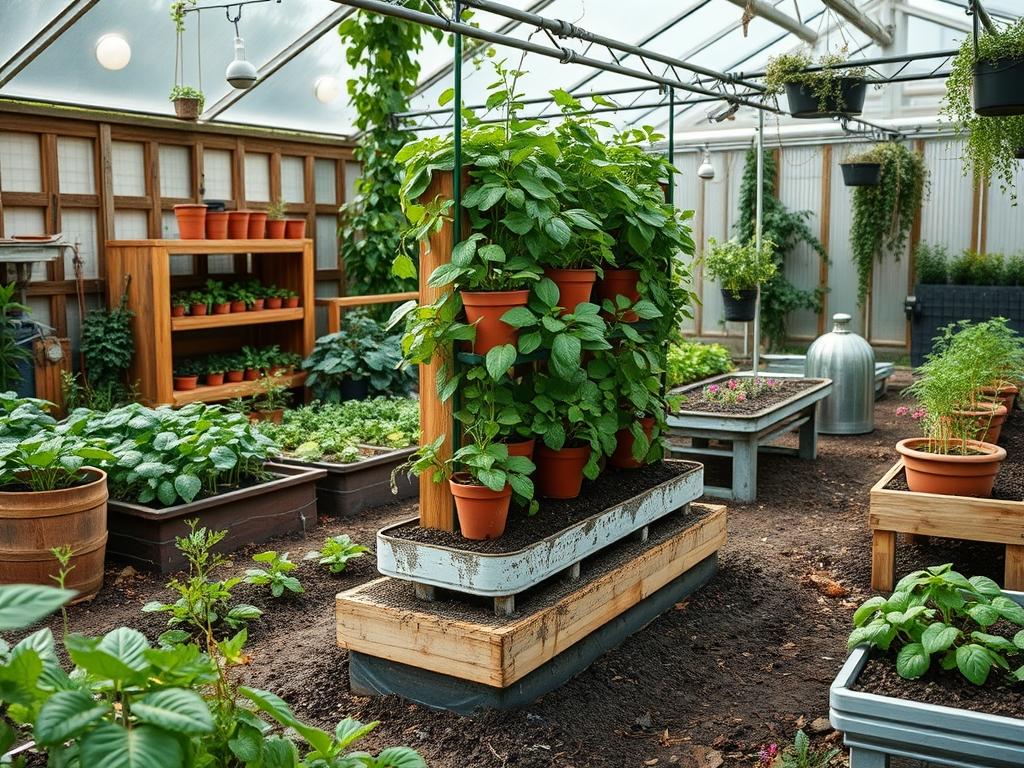
Modern landscape architecture frequently grapples with the paradox of shrinking residential footprints and increasing homeowner expectations for multifunctional outdoor living spaces. In high-density urban or suburban environments, the traditional horizontal garden bed often consumes valuable square footage that could otherwise be utilized for patios, seating, or play areas. Backyard vertical herb planters offer a sophisticated solution to this spatial scarcity, transforming underutilized vertical planes into productive, aesthetic assets. By integrating culinary herbs into the vertical landscape, designers can achieve higher curb appeal and improved outdoor functionality without sacrificing the flow of the backyard. These installations act as living tapestries, softening the harsh lines of fences, retaining walls, or brick siding while providing the homeowner with immediate access to fresh ingredients. Success in these projects depends on a deep understanding of structural integrity, microclimates, and the hydraulic requirements of elevated planting systems.
Landscape Design Principles
When designing backyard vertical herb planters, the primary objective is to maintain visual harmony with the existing architecture. Symmetry plays a significant role in formal designs; for instance, flanking a doorway with twin vertical towers creates a sense of balanced entry. In more naturalistic settings, asymmetrical arrangements using varying heights and textures can mimic the organic growth found in cliffside ecosystems. Creating a focal point is essential. A well-placed vertical garden can draw the eye away from unsightly utility meters or neighbor views, serving as a lush screen that provides both privacy and psychological comfort.
Elevation layers allow for a more dynamic sensory experience. By placing fragrant herbs like Lavender or Lemon Verbena at nose height, the landscape designer enhances the interactive quality of the space. Designers must also consider the transition between the vertical element and the ground plane. Incorporating a finished base, such as a localized zone of River rock or a neatly defined Metal edging border, ensures the planter looks integrated rather than simply attached to the house. Walkways should be planned to allow easy access for harvesting, with a minimum width of 36 inches to ensure the path remains functional even as the herbs reach maturity and spill over their containers.
Irrigation planning is arguably the most critical design principle for vertical structures. Gravity naturally pulls water to the lowest point of the system, leading to a common imbalance where top plants remain desiccated while bottom plants suffer from root rot. Utilizing a zoned Drip irrigation system with pressure-compensating emitters ensures that each layer receives uniform hydration. Furthermore, the selection of materials should reflect the durability required for outdoor exposure. Western Red Cedar and Food-grade plastics are preferred for their resistance to decay and chemical leaching, ensuring the herbs remain safe for consumption.
Plant and Material Selection
Selecting the right botanical palette requires an understanding of how light and wind affect vertical surfaces. The following table outlines the requirements for common herbs utilized in vertical systems.
| Plant Type | Sun Exposure | Soil Needs | Water Demand | Growth Speed | Maintenance Level |
| :— | :— | :— | :— | :— | :— |
| Rosemary | Full Sun | Well-drained | Low | Moderate | Low |
| Sweet Basil | Full Sun | Nutrient-rich | High | Fast | Moderate |
| Thyme | Full/Partial | Gritty/Sandy | Low | Slow | Low |
| Mint | Partial Shade | Moist | High | Invasive/Fast | Moderate |
| Chives | Full/Partial | Loamy | Moderate | Moderate | Low |
| Oregano | Full Sun | Poor to Avg | Low | Fast | Low |
For hardware and structural components, the use of Stainless steel screws and Galvanized brackets is non-negotiable to prevent rust streaks on the mounting surface. The growing medium should be a lightweight Soilless potting mix enriched with Perlite and Vermiculite to reduce the total weight load on the wall or fence. Heavy garden soil should be avoided, as it compacts too tightly in confined vertical pockets and lacks the necessary aeration for root health.
Implementation Strategy
The execution of backyard vertical herb planters begins with a thorough site analysis. Before any construction starts, the designer must check for structural stability. If mounting to a fence, the Post depth and wood condition must be verified to ensure they can handle the additional weight of wet soil. For wall-mounted units, a moisture barrier such as Polyethylene sheeting should be installed between the planter and the siding to prevent rot or water damage to the home.
Once the site is prepared, the layout is marked using a Laser level to ensure perfectly horizontal tiers. If the design utilizes a freestanding frame, a level base of Crushed limestone or Compacted sand is required to prevent settling. The assembly of the frame should involve pre-drilling holes to prevent splitting the Timber. After the structure is secured, the irrigation lines are plumbed. It is efficient to run a main 1/2-inch Poly header line vertically, with 1/4-inch Micro-tubing branching off to each individual planting pocket.
Drainage is managed by incorporating a layer of Geotextile fabric at the base of each planter box to allow water to pass through while retaining the fine particles of the Potting mix. When filling the containers, the soil should be lightly hand-tamped to remove large air pockets but not compacted to the point of density. Finally, a thin layer of Finely shredded cedar mulch or Hemp hulls is applied to the surface of the soil. This Mulch layer, typically about 1 inch deep, is vital for stabilizing soil temperature and reducing the frequency of the watering cycle.
Common Landscaping Failures
One of the most frequent errors in vertical gardening is failing to account for the “rain shadow” effect caused by roof overhangs or the structure of the planter itself. Plants in the upper tiers may never receive natural rainfall, necessitating a 100 percent reliance on manual or automated irrigation. Additionally, drainage mistakes often lead to a buildup of mineral salts. Without proper drainage holes at the bottom of every container, the soil becomes toxic to herb roots over time.
Root overcrowding is another significant issue. Many homeowners underestimate the vigorous root systems of plants like Mint or Lemon Balm. When these species are placed in small, shared vertical troughs, they quickly outcompete more delicate herbs like Cilantro. This leads to a monochromatic and overgrown appearance that lacks the intended variety. Furthermore, soil compaction occurs rapidly in vertical systems due to the constant downward pressure of water through the column. Regular aeration or the annual replacement of the top 3 inches of soil is necessary to prevent the medium from becoming an impermeable brick.
Seasonal Maintenance
Seasonal care ensures the longevity of both the plants and the infrastructure. In the spring, the primary focus is on refreshing the nutrient profile of the soil. Since vertical planters have limited soil volume, nutrients are leached away quickly. Applying a Water-soluble organic fertilizer every two weeks during the growing season is recommended. This is also the time to inspect the Drip emitters for clogs and to prune back any woody growth on perennial herbs like Sage.
Summer maintenance revolves around moisture management. During peak heat, vertical planters can dry out in a matter of hours. Increasing the frequency of the Timer and checking for signs of stress, such as wilting or leaf scorch, is crucial. In the autumn, annual herbs like Basil should be harvested and removed. The soil should be cleared of fallen debris to prevent fungal pathogens from overwintering in the pockets. Finally, winter care in colder climates involves insulating the containers or moving portable units into a garage. For permanent structures, blowing out the irrigation lines with an Air compressor is essential to prevent pipes from bursting during a freeze.
Professional Landscaping FAQ
How do I choose the right wall for my vertical herb garden?
Select a south-facing wall if you intend to grow sun-loving herbs like Rosemary. Ensure the structure is sturdy enough to support the weight of wet soil, which can exceed 20 pounds per square foot depending on the design.
What is the best way to prevent wood rot in vertical planters?
Use naturally rot-resistant wood like Cedar or Redwood. Additionally, apply a food-safe Wood sealant and use a plastic liner or Liquid rubber membrane to create a barrier between the damp soil and the wooden frame.
Can I grow herbs vertically in a shaded backyard?
Yes, but you must select shade-tolerant species. Mint, Chives, Parsley, and Lemon Balm can thrive in partial shade or indirect light. Ensure these plants receive at least three to four hours of filtered sunlight daily for optimal essential oil production.
How often should I replace the soil in my vertical system?
For the best results, replace the top half of the Potting mix annually. Every three years, a complete soil change is recommended to prevent the accumulation of pathogens and to restore the structural porosity required for healthy root respiration.
Do vertical planters require more fertilizer than traditional beds?
Yes, because the restricted soil volume and frequent watering cause nutrients to wash away faster. Use a balanced, Slow-release granular fertilizer at the start of the season and supplement with liquid seaweed or fish emulsion every fourteen days.