
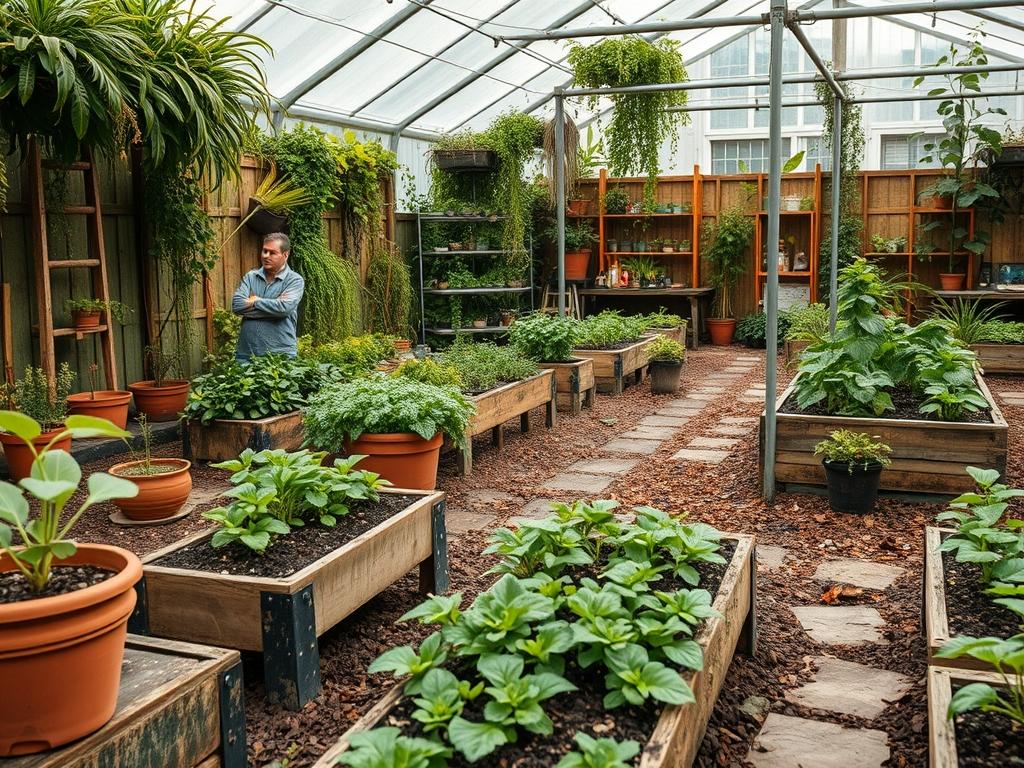
Designing a backyard that balances sophisticated landscape architecture with the spontaneous energy of a child’s imagination requires more than just placing a sandbox in a corner. It involves a deep understanding of site topography, microclimates, and the functional transition between adult entertaining zones and wild discovery areas. When we approach Backyard Nature Craft Areas, we are not looking at a playground; we are looking at a resource-rich environment where the landscape itself provides the medium for art. This necessitates a careful selection of flora that produces diverse textures, colors, and structural elements throughout the changing seasons. The challenge lies in maintaining high curb appeal and structural integrity while allowing for the controlled chaos of nature-based play. Effective drainage, robust planting schemes, and clear spatial hierarchy ensure that these areas remain an asset to the property value rather than a neglected patch of dirt. From a consultant’s perspective, the objective is to create a multi-functional ecosystem that invites exploration while adhering to the technical rigors of high-end residential design.
Landscape Design Principles
A successful nature craft area must feel integrated into the overall site plan rather than appearing as an afterthought. We achieve this through the use of symmetry and visual balance, often using a “hidden garden” concept. By utilizing Retaining Walls made of Natural Fieldstone or Pressure-Treated Timber, you can create distinct elevation layers that separate a formal patio from a lower-level crafting zone. This vertical separation provides a psychological boundary for children while maintaining clean sightlines for parental supervision.
Focal points are essential to anchor the space. A Large Weathered Boulders arrangement or a Custom Cedar Worktable serves as a destination within the garden. For walkways, avoid straight, rigid lines; instead, implement meandering paths using Flagstone Pavers or Crushed Pea Gravel. These materials provide tactile feedback and allow for natural drainage. Irrigation planning is equally critical. We design these zones with dedicated Drip Irrigation Lines to ensure that high-traffic “harvesting” plants receive consistent moisture without over-saturating the crafting ground, which should remain dry and stable. Visual balance is maintained by “framing” the craft area with mid-sized shrubs, ensuring the more utilitarian aspects of the space are screened from the primary viewing windows of the home.
Plant and Material Selection
The following selections emphasize plants that provide “crafting components” such as unique foliage, sturdy stems, or interesting seed pods, while remaining hardy and aesthetically pleasing.
| Plant Type | Sun Exposure | Soil Needs | Water Demand | Growth Speed | Maintenance Level |
| :— | :— | :— | :— | :— | :— |
| Salix viminalis (Basket Willow) | Full Sun | Moist/Heavy Clay | High | Rapid | Moderate (Annual Pruning) |
| Stachys byzantina (Lamb’s Ear) | Full Sun | Well-Drained/Sandy | Low | Medium | Low (Easy Division) |
| Physocarpus opulifolius (Ninebark) | Sun to Part Shade | Adaptable | Moderate | Fast | Low (Occasional Thinning) |
| Echinacea purpurea (Coneflower) | Full Sun | Lean to Average | Low | Medium | Low (Deadheading) |
| Betula papyrifera (Paper Birch) | Full to Part Sun | Moist/Cool | Moderate | Fast | Moderate (Debris Cleanup) |
| Miscanthus sinensis (Maiden Grass) | Full Sun | Well-Drained | Low | Rapid | Low (Cut back in Spring) |
Implementation Strategy
The transition from a blueprint to a functional Backyard Nature Craft Area requires precise execution of the site’s foundation. Begin with professional grading to ensure the site has a 2 percent slope away from all permanent structures. This prevents the “mud pit” syndrome often associated with high-activity zones. Once the grade is established, use a Gas-Powered Trencher to install 4-inch Perforated Drain Pipe wrapped in Filter Fabric if the area is prone to collection.
For the crafting surface itself, clear the turf and excavate to a depth of 6 inches. Lay down a high-quality Non-Woven Geotextile Weed Barrier to prevent sub-soil mixing. Fill the base with 3 inches of Compactable Crushed Stone, topped with 3 inches of Double-Grounded Hardwood Mulch or Decomposed Granite. This creates a permeable, “soft-fall” surface that stays clean during rain events.
When installing the plant material, use Steel Landscape Edging to create a crisp boundary between the mulch beds and the surrounding lawn. This prevents the crafting materials from migrating into the grass. Group “harvesting” plants in the mid-layer of your garden beds, ensuring they are accessible via Step-Stone Paths so children do not compact the root zones of more sensitive specimens. Finally, install a Weatherproof Storage Bench to house Pruning Shears, Twine, and Hand Trowels, keeping the professional aesthetic clutter-free.
Common Landscaping Failures
The most frequent error in designing Backyard Nature Craft Areas is neglecting soil compaction. High foot traffic in a localized area crushes the pore spaces in the soil, leading to root asphyxiation for nearby trees and shrubs. To mitigate this, design paths using Stepping Stones that distribute weight across a larger surface area. Another common failure is improper drainage planning. If a craft area is placed in a low spot without a French Drain or Dry Well, it will become unusable for days after a storm, leading to anaerobic soil conditions and foul odors.
Root overcrowding is another concern. Many “crafting” plants like Willow or Maiden Grass are aggressive growers. If they are not given a minimum 3-foot spacing from slow-growing perennials, they will out-compete their neighbors for nutrients and light. Furthermore, many homeowners fail to account for irrigation inefficiencies. Spray heads often hit the craft tables or “art projects” instead of the root zones. Always opt for Subsurface Drip Irrigation in these zones to keep the foliage and the work areas dry while targeting the water exactly where it is needed.
Seasonal Maintenance
A professional-grade landscape requires a structured maintenance calendar to preserve its form and function. In the Spring, focus on “rejuvenation pruning.” Cut back Ornamental Grasses to 6 inches and inspect the Mulch Depth; top off any areas that have thinned to maintain a consistent 3-inch protective layer. This is also the time to check the Irrigation Controller for any leaks caused by winter freeze-thaw cycles.
Summer maintenance is centered on moisture management and “harvesting” guidance. Monitor your Hydrangeas and Willows for signs of heat stress. If the craft area uses Decomposed Granite, use a Steel Rake to level the surface and remove any accumulated organic debris. In the Autumn, allow some plants like Coneflower and Sedum to go to seed. These provide excellent textures for winter crafts and food for local bird populations. Perform a final “cleanout” of drainage grates to ensure fallen leaves do not clog the Catch Basins. During Winter, protect sensitive structures and focus on structural pruning of deciduous trees like the Paper Birch. Ensure that any Outdoor Water Spigots are winterized and that the Retaining Walls are checked for shifted stones after heavy frosts.
Professional Landscaping FAQ
How do I prevent the craft area from looking messy?
Utilize Boxwood Hedges or Low Stone Walls to create a formal “frame” around the zone. This contains the visual clutter of sticks and stones within a structured architectural border, maintaining the property’s overall curb appeal.
What is the best ground cover for high-traffic craft zones?
Decomposed Granite (DG) is superior for crafting areas. It provides a stable, flat surface for tables and easels while remaining permeable. Use the “stabilized” version to reduce tracking of fine particles into the house.
How can I incorporate water play without creating a swamp?
Install a Bury-in-Basin Disappearing Fountain. This provides a recirculating water source for “mud pies” or cleaning brushes without having standing water. The water drains through River Rock into an underground reservoir, preventing soil saturation.
Are there specific plants I should avoid?
Avoid any species with “heavy litter” that is not useful, such as Sweetgum (messy seed balls) or plants with thorns like certain Barberry varieties. Stick to “productive” plants that provide smooth bark, soft leaves, or sturdy stems.
How thick should my mulch layer be for weed control?
A consistent depth of 3 to 4 inches is the industry standard. Use Coarse-Textured Bark rather than fine “fines,” as the coarser material allows better gas exchange for the soil while effectively suppressing weed germination in the craft zone.