
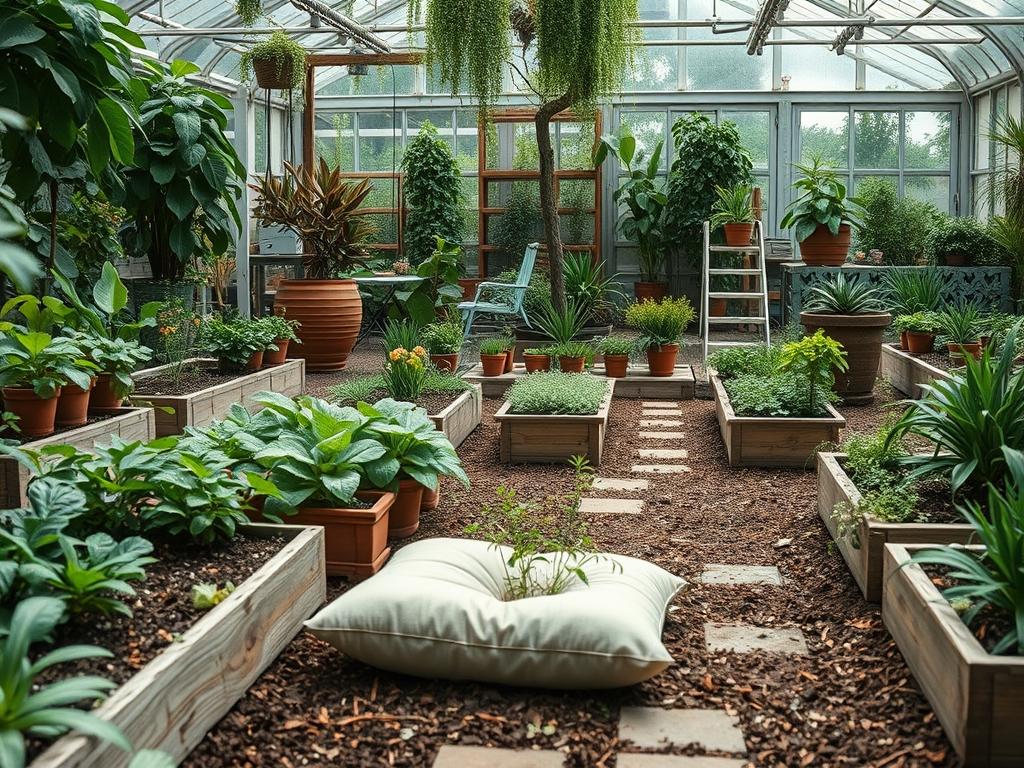
Creating a functional outdoor living space requires more than just placing furniture on a patch of grass. Professional landscape architects view the backyard as a series of orchestrated rooms, where the floor is just as critical as the canopy. Backyard Floor Cushion Styling has emerged as a sophisticated method for establishing low profile, intimate seating zones that encourage relaxation and social connection. However, the success of this aesthetic depends heavily on the underlying landscape engineering. When designing these spaces, we must consider regional climate variables, moisture mitigation, and the structural integrity of the ground surface. A poorly planned seating area will result in damp textiles, uneven surfaces, and an overall loss of curb appeal. By integrating high quality drainage systems and selecting appropriate hardscape materials, you can create a luxurious environment that feels like a natural extension of your interior architecture.
Landscape Design Principles
Effective backyard design relies on the core principles of symmetry, focal points, and elevation layers. When planning for floor cushions, the concept of the “sunken lounge” or “defined perimeter” is essential. We use Retaining Walls and Stone Edging to create physical boundaries that separate the lounge area from active garden beds. This prevents soil migration and keeps your textiles clean. Symmetry can be achieved by flanking the seating area with identical Planter Boxes or sculptural evergreens, providing a sense of formal balance.
Elevation plays a vital role in the psychology of the space. By slightly lowering the grade of the seating area, perhaps by 6 inches to 12 inches, you create a sense of enclosure and privacy. This transition should be managed through professional Grading, ensuring that any water runoff is directed away from the seating zone. We also incorporate Focal Points, such as a modern fire pit or a water feature, to anchor the arrangement. Without a central element, floor cushions can look cluttered or unintentional. Finally, consider the Visual Balance between the soft textures of the cushions and the hard surfaces of the surrounding stone or timber.
Plant and Material Selection
The following table outlines high performing plant species and materials suitable for a low profile lounging environment. We prioritize low allergen and non invasive species to ensure comfort.
| Plant Type | Sun Exposure | Soil Needs | Water Demand | Growth Speed | Maintenance Level |
| :— | :— | :— | :— | :— | :— |
| Creeping Thyme | Full Sun | Well Draining | Low | Medium | Low |
| Blue Fescue | Full Sun | Sandy/Loam | Low | Moderate | Low |
| Japanese Forest Grass | Part Shade | Rich/Moist | Moderate | Slow | Medium |
| Lavender (Munstead) | Full Sun | Alkaline | Very Low | Moderate | Medium |
| Mexican Feather Grass | Full Sun | Any | Low | Fast | Low |
| Dwarf Mondo Grass | Shade/Sun | Moist | Moderate | Slow | Very Low |
Implementation Strategy
The transition from a conceptual drawing to a physical lounge begins with rigorous site preparation. First, identify the footprint of your seating area and remove any sod or organic debris to a depth of 4 inches. This area must be treated with a specialized Pre-emergent Herbicide to prevent weed growth through your substrate. Once the area is cleared, apply a layer of Non-woven Geotextile Fabric to stabilize the soil and prevent the mixing of sub-base materials with the native earth.
Next, install a 2 inch layer of Compactable Crushed Stone or Decomposed Granite. This layer provides the structural foundation required for long term stability. It is crucial to use a Plate Compactor to ensure the base is firm and level. If you are using Pavers or Flagstone as the final surface for your cushions, apply a thin layer of Leveling Sand over the base. For those preferring a softer feel, Pea Gravel can be used; however, it requires a Stabilization Grid to prevent the cushions from sinking into the stones. Finish the perimeter with Concrete Edging or Steel Edging to maintain a clean line between the hardscape and the manicured lawn.
Common Landscaping Failures
The most frequent error in outdoor lounge construction is inadequate drainage planning. If the seating area is perfectly level with no outfall, water will pool underneath your cushions after a rain event, leading to mold and mildew. A professional installation should always include a 1 percent to 2 percent slope or a hidden French Drain to evacuate water. Another failure is root overcrowding. Planting large trees too close to a hardscaped seating area will eventually lead to Root Heave, which cracks pavers and creates uneven surfaces.
Improper spacing of plants also plagues many backyard designs. While it is tempting to plant densely for immediate privacy, you must account for the mature spread of each species. Overcrowding reduces airflow, which increases the humidity around your seating area and can damage your Sunbrella Fabric or high end outdoor textiles. Finally, neglecting Soil Compaction during the initial phase will lead to significant settling over the first two years, requiring expensive remediation.
Seasonal Maintenance
To preserve the integrity of your backyard environment, a seasonal management schedule is mandatory. During the spring, focus on cleaning the hardscape surfaces. Use a Pressure Washer on a low setting to remove algae or moss from stones and pavers. Inspect your Drip Irrigation lines for clogs or leaks, ensuring that water is not spraying directly onto the seating area. This is also the time to apply a fresh 1 inch layer of Organic Mulch to surrounding garden beds to retain moisture for your plants.
In the summer, monitor for pests like mosquitoes or ants that may be attracted to the sheltered areas underneath the cushions. In the autumn, remove all fallen leaves and organic debris from the stone base. If left to rot, these materials will stain your stone and create a slippery surface. Winter maintenance involves the proper storage of all textiles. While many outdoor fabrics are weather resistant, they are not impervious to heavy snow or freezing rain. Store cushions in a ventilated Deck Box or a climate controlled indoor space. If you have used Decomposed Granite, you may need to add a light top dressing of material to replace what was lost during the high traffic summer season.
Professional Landscaping FAQ
How do I prevent my floor cushions from getting damp?
Install a raised Timber Deck or a Permeable Paver System with a dedicated French Drain underneath. This ensures air circulation and allows water to move away from the fabric, preventing capillary action from drawing moisture into the cushion foam.
What is the best base material for floor cushions?
A stabilized Decomposed Granite or a Fine Pea Gravel with an industrial Honeycomb Grid is ideal. These materials provide a firm surface for stability while allowing for maximum drainage and a natural, organic aesthetic that complements soft styling.
How do I select plants that won’t attract bees to my lounge?
Focus on foliage heavy plants like Hostas, Ferns, and Ornamental Grasses. Avoid high nectar flowering perennials. For green screening, use Boxwood or Privet, which offer structural density without the large floral displays that attract pollinators to the seating zone.
Can I put floor cushions directly on my lawn?
This is not recommended for permanent styling. Grass traps moisture and harbors insects, which can ruin high quality textiles in a single season. If you must use grass, place a Waterproof Ground Tarp or a Coir Rug between the turf and cushions.
What is the ideal slope for a backyard lounge area?
A 2 percent grade is the professional standard for outdoor drainage. This means for every 10 feet of horizontal space, the elevation should drop by about 2.4 inches. This subtle slope is imperceptible to users but effectively directs rainwater away.