
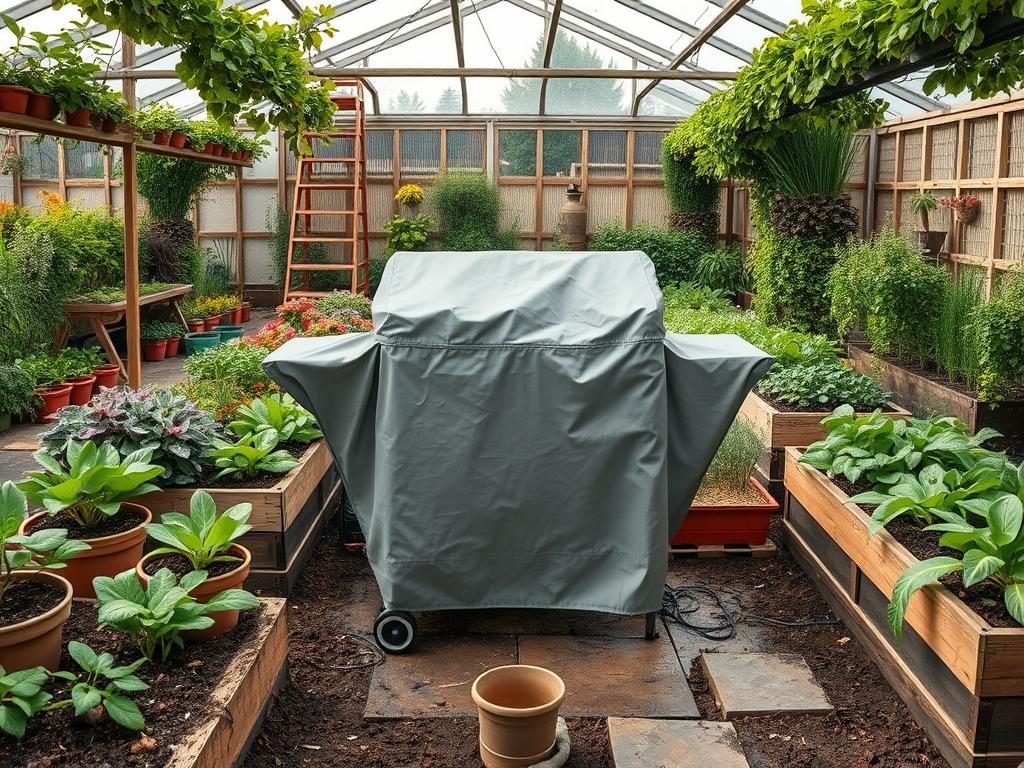
Designing a functional outdoor living space requires a sophisticated understanding of how permanent structures interact with the natural environment. A common challenge for landscape architects is the integration of the outdoor kitchen, specifically the barbecue station, into a cohesive site plan. While the grill often serves as the primary focal point for entertainment, it is also highly susceptible to environmental degradation from ultraviolet radiation, moisture, and debris. Neglecting the protection of this equipment can lead to premature corrosion and a significant loss in curb appeal. To solve this, professional-grade Outdoor Barbecue Grill Covers must be selected not merely for their utility, but for their ability to blend into the overall aesthetic of the garden. The goal is to create a seamless transition between the hardscape and the surrounding softscape, ensuring that even when the grill is not in use, the visual integrity of the landscape remains intact.
Successful landscape design relies on a hierarchy of elements that guide the eye through the space while providing functional zones for relaxation and cooking. In a high-end residential environment, the barbecue unit often sits atop a custom-built masonry island or a natural stone pedestal. This placement creates an elevation layer that distinguishes the cooking area from lower-level patios or lawn sections. However, the sheer size of modern grills can disrupt the visual balance if they are left uncovered or protected by flimsy, ill-fitting plastics. A durable cover made from high-density 600D polyester or heavy-duty multi-layer vinyl provides a clean, muted silhouette that mimics the monochromatic tones often found in modern architectural finishes. By choosing covers that match the color palette of the retaining walls or paver stones, the architect can maintain a sense of symmetry and prevent the cooking station from appearing as a cluttered afterthought.
Landscape Design Principles
In the realm of landscape architecture, symmetry and focal points define the structural success of the backyard. When positioning a barbecue, it should ideally align with the central axis of the home’s rear exit or a major window. This alignment ensures that the grill is part of a deliberate vista. Designers must also consider the “work triangle,” which involves the relationship between the grill, the outdoor sink, and the food preparation area. This layout requires careful irrigation planning to ensure that water lines for the sink do not interfere with the root zones of nearby Specimen Trees. Furthermore, the placement of the grill must account for prevailingly winds; placing a grill in a wind tunnel can make cooking difficult and may cause a lightweight grill cover to billow or tear. To mitigate this, architects often design low-profile windbreaks using evergreen hedges or custom slatted wooden screens.
Elevation layers also play a critical role in the functionality of the cooking zone. Elevating the barbecue area by 6 inches to 12 inches using a reinforced concrete slab or compacted gravel sub-base prevents water from pooling around the base of the unit. This elevation, combined with a slight 2 percent grade for drainage, ensures that the area stays dry during peak rainfall. When the barbecue is protected by high-quality Outdoor Barbecue Grill Covers, the risk of moisture being trapped between the cover and the metal surface is significantly reduced. This is especially important for stainless steel components that, despite their name, can still suffer from “tea staining” or surface rust if subjected to constant humidity without proper ventilation.
Plant and Material Selection
The materials used in the landscape must complement the durability of the grill protective gear. Below is a guide for selecting flora and materials that thrive in a high-traffic, high-heat environment near an outdoor kitchen.
| Plant or Material Type | Sun Exposure | Soil Needs | Water Demand | Growth Speed | Maintenance Level |
| :— | :— | :— | :— | :— | :— |
| Buxus sempervirens | Full Sun to Shade | Well-Drained | Moderate | Slow | Medium (Requires Pruning) |
| Lavandula angustifolia | Full Sun | Sandy/Gritty | Low | Medium | Low (Prune after bloom) |
| Rosmarinus officinalis | Full Sun | Poor/Dry | Very Low | Fast | Low (Drought Tolerant) |
| 600D Polyester Fabric | High UV Resistance | N/A (Material) | Waterproof | N/A | Low (Wipe Clean) |
| Permeable Pavers | N/A | Aggregate Base | High Drainage | N/A | Low (Occasional Sanding) |
| Crushed Granite | N/A | Compacted Subgrade | Excellent | N/A | Low (Occasional Raking) |
Implementation Strategy
The implementation of a durable barbecue station begins with proper site grading. Before any pavers or flagstones are laid, the ground must be excavated to a depth of at least 8 inches to accommodate a 4-inch layer of crushed stone and a 2-inch layer of bedding sand. This foundation prevents the shifting and settling that often leads to cracked masonry units. Once the hardscape is established, the barbecue should be anchored or positioned on a level surface. To protect the investment, the selection of Outdoor Barbecue Grill Covers should happen during the design phase, not as an afterthought. Measure the grill’s width, depth, and height carefully; a cover that is 2 inches too short will expose the casters and lower frame to rust, while one that is too long will drag on the ground and collect debris.
Edging is another crucial component of the implementation strategy. Using steel edging or Belgian block to separate the utility zone from the planting beds ensures that mulch and soil do not wash onto the cooking surface. A 3-inch layer of hardwood mulch should be applied to surrounding garden beds to retain moisture for the plants, but it must be kept away from the base of the grill to avoid attracting pests or creating a fire hazard. For drainage, consider installing a French drain or a trench drain along the perimeter of the kitchen island to redirect runoff toward a rain garden or a designated swale.
Common Landscaping Failures
One of the most frequent mistakes in outdoor kitchen design is improper drainage, which leads to stagnant water under the barbecue unit. When water sits beneath the grill, it creates a micro-climate of high humidity that can corrode the internal burners and ignition systems, even if the top is covered. Another common failure is root overcrowding. Planting large deciduous trees too close to the barbecue can result in roots heaving the concrete footings or pavers within a few years. Architects must research the mature spread of a tree’s root system before finalizing the plan.
Improper spacing between the grill and combustible structures is a safety failure that also impacts the longevity of the equipment and its cover. There should be a minimum of 36 inches of clearance between the grill and any pressure-treated wood or vinyl siding. Furthermore, soil compaction in high-traffic areas around the grill often leads to the death of nearby turf or groundcovers. Utilizing stepping stones or permeable grids can alleviate this pressure and maintain the health of the soil microbes.
Seasonal Maintenance
To ensure the longevity of both the landscape and the equipment, a seasonal maintenance schedule is mandatory. In the spring, inspect the Outdoor Barbecue Grill Covers for any tears or UV degradation. Clean the cover using a soft-bristle brush and mild soap to remove bird droppings and tree sap. This is also the time to apply a new layer of pre-emergent herbicide to the nearby beds to prevent weed growth. During the summer, maintain a strict irrigation schedule using a drip irrigation system to ensure the plants near the hot grill do not undergo heat stress.
As autumn approaches, leaf removal becomes a priority. Leaves trapped under the grill or against the cover can hold moisture and lead to mold growth. Finally, in the winter, if the grill is not being used, ensure the cover is securely fastened with click-close straps or drawstrings to prevent it from blowing away during winter storms. If you live in a region with heavy snowfall, use a soft broom to clear snow off the top of the grill cover to prevent the weight from stretching the fabric or damaging the grill’s hood.
Professional Landscaping FAQ
How do I choose the right size for my barbecue cover?
Measure the widest point of the grill, including side burners. Select a cover that provides a 1-inch to 2-inch clearance for easy removal. Ensure the height allows for ventilation at the bottom to prevent mold and mildew accumulation.
Can I place my grill directly on the lawn?
No; placing a heavy barbecue on turf causes soil compaction and trap moisture against the metal frame. Always use a stable base like permeable pavers, concrete, or compacted gravel to ensure level cooking and adequate drainage for the unit.
What is the best material for a durable grill cover?
Look for high-denier polyester with a water-resistant PVC backing. These materials offer the best protection against UV rays and heavy rain. Ensure the fabric has interlocking seams and reinforced handles for long-term durability in harsh climates.
How do I prevent my grill from rusting under a cover?
Choose a cover with built-in mesh air vents. These vents allow moisture to escape while blocking rain and dust. Additionally, ensure the grill is completely dry before covering it to prevent trapping humidity against the stainless steel surfaces.
Which plants are safest to grow near an outdoor kitchen?
Select heat-tolerant species like Rosemary, Lavender, or Ornamental Grasses. These plants handle the radiant heat from the barbecue well. Avoid planting high-maintenance flowers or trees with invasive root systems that could eventually damage the hardscape or gas lines.