
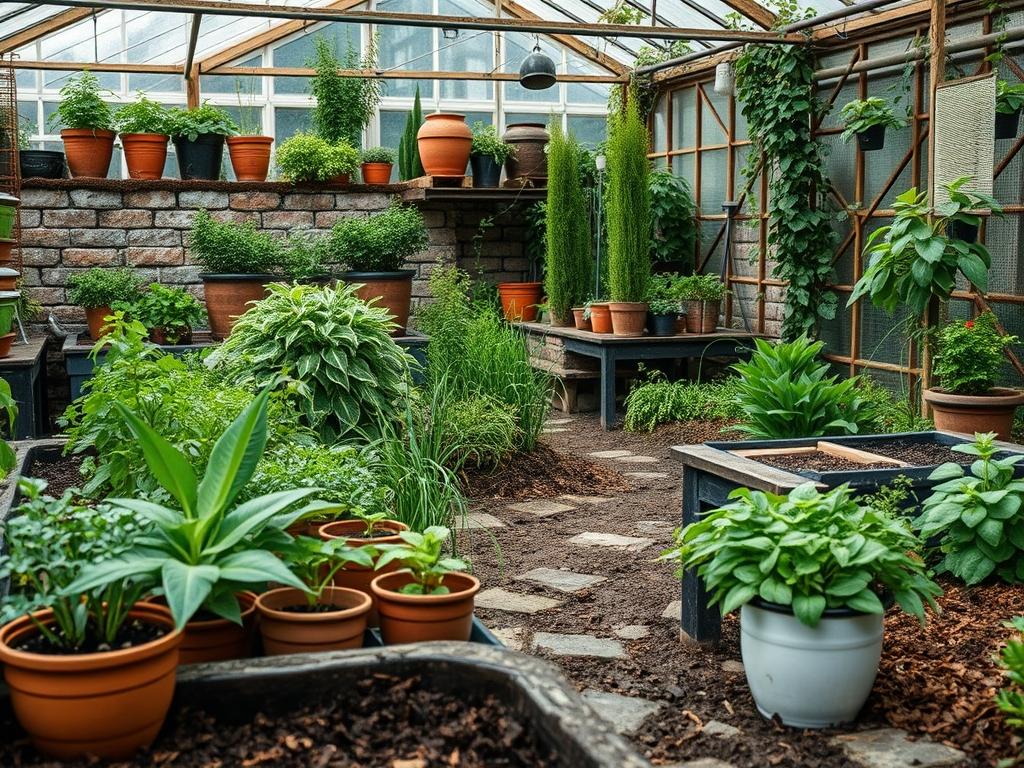
Landscape design is far more than a sequence of aesthetic choices; it is a structural necessity that protects the longevity and performance of your home. When we consider essential backyard stucco maintenance tips, we must realize that the exterior finish of a residence is highly sensitive to the microclimate created by the surrounding flora and soil. Stucco is essentially a cementitious shell, porous by nature, and susceptible to the encroachment of moisture, salt, and biological growth. A well executed landscape plan addresses the intersection of soil and stone, ensuring that the visual appeal of a lush garden does not come at the expense of the structural integrity of the walls. By focusing on drainage, airflow, and strategic plant placement, a homeowner can create an outdoor sanctuary that enhances the property value while significantly reducing the long term costs of facade repairs. The goal is to harmonize the organic elements of the yard with the rigid requirements of the building envelope, creating a functional environment where water moves away from the foundation and air circulates freely against the walls.
Landscape Design Principles
Successful landscaping for a stucco-clad home requires a disciplined approach to clearance and elevation. One of the most critical principles is the maintenance of a service zone. This is a buffer area of at least 12 inches between the house foundation and the nearest planting bed. This gap ensures that moisture trapped in foliage does not transfer directly to the stucco finish, which can cause delamination or the growth of mold. Within this zone, use inorganic materials such as river rock or pea gravel over a high quality landscape fabric to discourage weed growth while allowing the soil to breathe.
Symmetry and focal points should be established to draw the eye away from the house’s utility areas while highlighting architectural features. When planning elevation layers, use a tiered approach. Start with low-growing groundcovers like creeping thyme near the walkways and gradually increase height with mid-sized perennials and shrubs. To maintain visual balance, ensure that large trees are placed at an appropriate distance; the canopy should never overhang the roofline. Overhanging branches drop organic debris into gutters, which can then overflow and drench the stucco, leading to unsightly staining and water intrusion.
Irrigation planning is perhaps the most vital component of the design phase. A professional landscape should utilize a drip irrigation system rather than traditional high-impact sprinkler heads. Drip emitters deliver water directly to the root zone of the plant, preventing the “wall wash” effect where chlorinated or mineral-rich water constantly hits the stucco facade. This prevents the formation of efflorescence, which is the white, powdery salt deposit that occurs when water evaporates from cement-based surfaces.
Plant and Material Selection
Selecting the right species is critical for maintaining a dry and healthy stucco exterior. Plants with high transpiration rates or those that require constant misting should be avoided near the home. Instead, focus on drought-tolerant or “California Friendly” plants that maintain a tidy habit and do not require heavy watering.
| Plant Type | Sun Exposure | Soil Needs | Water Demand | Growth Speed | Maintenance Level |
| :— | :— | :— | :— | :— | :— |
| French Lavender | Full Sun | Well-drained | Low | Moderate | Low |
| Boxwood Shrub | Partial Shade | Loamy | Medium | Slow | Moderate |
| Blue Oat Grass | Full Sun | Gritty/Sandy | Very Low | Moderate | Low |
| Dwarf Olive Tree | Full Sun | Any / Dry | Low | Slow | Low |
| Stonecrop Sedum | Full Sun | Poor / Rocky | Low | Fast | Very Low |
| Japanese Maple | Filtered Sun | Rich / Acidic | Medium | Slow | High |
Implementation Strategy
The implementation of your backyard layout must begin with professional grading. The soil must be sloped away from the stucco walls at a minimum of a 2 percent grade, which equates to a one-fourth inch drop for every foot of distance. This ensures that during a heavy rain event, water is directed toward French drains or bioswales rather than pooling at the base of your home. Before any planting begins, verify the location of the weep screed, which is the metal flange at the bottom of the stucco wall designed to allow moisture to escape from the wall cavity. Never allow soil, mulch, or hardscaping to cover this screed, as doing so traps water inside the wall and leads to catastrophic wood rot.
When installing walkways, consider using permeable pavers or decomposed granite. These materials allow rainwater to infiltrate the ground directly rather than creating a sheet flow of runoff that could splash dirt and mud onto the lower sections of the stucco. For garden beds, use metal edging or concrete curbing to create a distinct boundary. This prevents the migration of soil and keeps wood mulch, which can harbor termites and moisture, away from the foundation. A mulch depth of three inches is ideal for moisture retention in the soil, but it must be kept at least six inches away from any stucco contact points.
Common Landscaping Failures
The most frequent failure in residential landscapes is the neglect of proper drainage, leading to “hydrostatic pressure” against the foundation. When soil remains saturated, it expands and can exert enough force to crack the stucco or the underlying concrete masonry units. Another common mistake is the use of invasive climbing plants like English Ivy or Creeping Fig. While these plants offer a classic look, their aerial roots or “suckers” physically penetrate the stucco finish, creating micro-fissures that allow water to bypass the protective coating.
Improper spacing is another hallmark of amateur landscape design. A three foot sapling may look small today, but its mature root system can eventually push against the home’s footings, causing structural shifts and stucco cracking. Furthermore, soil compaction from heavy foot traffic or equipment can prevent water from soaking into the earth, forcing it to sit against the house. Always use a broadfork or aerator in areas with heavy clay content to ensure the earth remains porous and healthy.
Seasonal Maintenance
A proactive maintenance schedule is the best way to ensure your backyard stucco remains pristine. In the Spring, inspect the entire perimeter for signs of “wicking,” where the bottom of the wall looks darker than the top. Use a stiff nylon brush and a mild detergent to clean any dirt splashes from the winter rains. This is also the time to test your irrigation system for leaks or misaligned micro-sprays that might be hitting the wall.
Summer maintenance focuses on pruning and growth management. Trim back any shrubs that have grown within that 12-inch buffer zone to restore airflow. If you notice small hairline cracks in the stucco, use a high-quality acrylic caulk or polyurethane sealant to fill them before monsoon or summer storm cycles begin. In the Autumn, the priority shifts to leaf removal. Damp leaves piled against stucco act like a wet sponge, promoting the growth of algae and moss. Ensure that all downspout extensions are clear and directing water at least five feet away from the house. During Winter, monitor for ice damming or snow accumulation against the walls. If you live in a cold climate, avoid using rock salt near the stucco, as the chemicals can cause the finish to spall or pit.
Professional Landscaping FAQ
How far should I keep my garden beds from the stucco?
Maintain a minimum gap of 12 inches between the house and any organic material. Fill this space with river rock or gravel to ensure proper drainage and prevent moisture from wicking into the wall finish.
Can I use a pressure washer to clean dirt off my stucco?
Use extreme caution with pressure washers. High pressure can gouge the surface or force water behind the weather barrier. Use a garden hose with a spray nozzle and a soft-bristled brush for safer results.
What is the best way to prevent mud splashes on the house?
Install a border of stones or heavy mulch along the perimeter of the home. This breaks the impact of falling water and prevents it from kicking up dirt and minerals onto your clean stucco exterior.
Is it safe to plant trees near a stucco-clad home?
Trees should be planted at a distance equal to half of their mature canopy width. This prevents root interference with the foundation and ensures that branches do not scrape or deposit organic debris onto the stucco.
Why is my stucco turning green near my plants?
Green staining is usually caused by algae or moss growth due to excessive shade and moisture. Prune your plants to improve sunlight exposure and airflow, which will help the stucco surface dry out more quickly.