
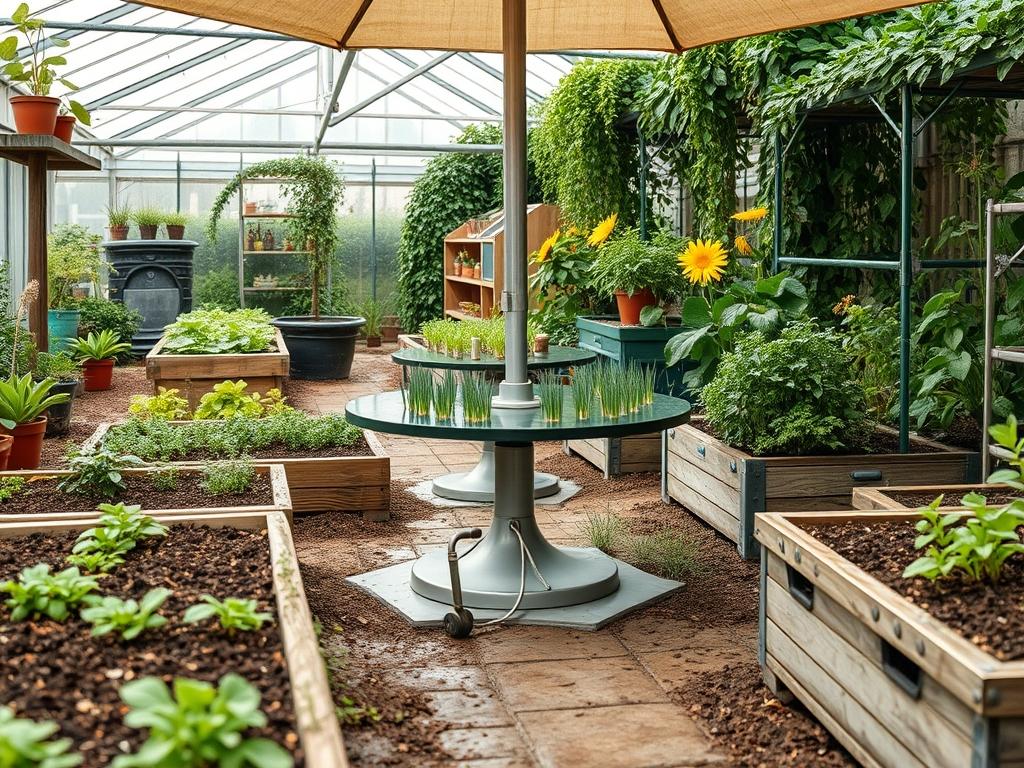
Creating a functional outdoor environment requires a delicate balance between aesthetic appeal and structural integrity. When planning a transition from a home interior to an expansive garden, many homeowners focus primarily on the flora, yet the hardscaping and utility elements define the true usability of the space. Shade is a non negotiable component of any high end landscape design. Whether you are installing a limestone patio or a composite deck, the integration of Backyard Table Umbrella Bases serves as a critical safety and comfort feature. A poorly anchored umbrella becomes a liability in a sudden gust of wind, potentially damaging expensive patio furniture or surrounding ornamental plantings. Therefore, selecting a base that reconciles weight, footprint, and material durability is essential for long term environmental harmony and site functionality.
The landscaping challenge often lies in the microclimates of the property. High wind corridors between structures or elevated terraces require specialized anchoring solutions that go beyond standard retail offerings. By treating the umbrella and its base as a fixed piece of architecture rather than a temporary accessory, you can ensure that the shade solution contributes to the overall curb appeal and resale value of the home. This professional approach involves assessing the subgrade, the drainage capacity of the surface material, and the specific wind load calculations for the local area.
Landscape Design Principles
Effective landscape design relies on the core concepts of symmetry and focal points to lead the eye through the environment. When placing a dining set or a lounge area, the umbrella often acts as the primary vertical element within a horizontal plane. To maintain visual balance, the Backyard Table Umbrella Bases should match the scale and material palette of the surrounding hardscape. For instance, a heavy cast iron base complements a traditional brick paver patio, while a sleek stainless steel or weighted polymer base suits a modern, minimalist concrete terrace. Moving the focal point to a central axis provides a sense of order, making the outdoor room feel like a deliberate extension of the architecture.
Elevation layers also play a significant role in how shade structures are perceived. By utilizing tiered retaining walls or raised planters, you can create a sunken seating area that naturally shields the umbrella from lateral winds. This reduction in wind shear allows for a lighter base requirement, though a 75 pound minimum weight is still recommended for most free standing applications. Irrigation planning must also account for these hardscape elements. Water should always flow away from the umbrella base to prevent rust staining or the accumulation of biological growth on the patio surface. Properly placed walkways ensure that foot traffic does not interfere with the umbrella’s footprint, maintaining a clear path of egress.
Plant and Material Selection
Selecting the right materials and plants for the perimeter of your seating area enhances the stability and beauty of the shade zone. Low maintenance, high impact species create a lush backdrop without encroaching on the functional space required for heavy furniture and equipment.
| Plant Type | Sun Exposure | Soil Needs | Water Demand | Growth Speed | Maintenance Level |
| :— | :— | :— | :— | :— | :— |
| Boxwood Hedge | Full Sun to Shade | Well drained loam | Moderate | Slow | High (Pruning) |
| Purple Coneflower | Full Sun | Neutral pH | Low | Medium | Low |
| Ornamental Grass | Full Sun | Most soil types | Very Low | Fast | Low (Cut back once) |
| Dwarf Hydrangea | Part Shade | Rich, moist soil | High | Medium | Moderate |
| Creeping Thyme | Full Sun | Sandy/Rocky | Low | Fast | Very Low |
The choice of hardscape material under the Backyard Table Umbrella Bases is equally important. Decomposed granite offers a natural look but may shift under heavy weight. Natural stone pavers provide a timeless look and excellent stability, provided they are set on a compacted crushed stone base. For those utilizing wooden decks, ensure that the joists are reinforced directly beneath where a heavy umbrella base will sit to prevent structural sagging over time.
Implementation Strategy
The process begins with a professional site survey to determine the grading of the terrain. Even a slight slope can cause a top heavy umbrella to tip, especially if the base is not perfectly level. Start by excavating the area for your patio or seating nook, ensuring you reach a stable soil depth. Lay down a geotextile fabric to prevent weed growth and soil migration before adding a 4 inch layer of compacted gravel. This foundation is essential for preventing the shifting that can destabilize Backyard Table Umbrella Bases.
Once the sub-base is level, install your chosen surfacing material. If you are using a table integrated umbrella, the base is often hidden, but it must still be substantial enough to prevent the table from acting as a sail. For free standing umbrellas, consider a bolt down base if the location is permanent. This involves drilling into the concrete or stone and using wedge anchors or epoxy to secure the mount. If portability is required, look for bases with integrated wheels that lock firmly into place. Edging the area with steel or aluminum restraints keeps the pavers tight, ensuring the umbrella base has a consistent, flat surface to rest upon. Finish the surrounding area with a 2 inch layer of hardwood mulch in the planting beds to regulate soil temperature and moisture.
Common Landscaping Failures
One of the most frequent mistakes in outdoor design is the neglect of subsurface drainage. When water pools around a heavy base, it can lead to the degradation of both the base material and the underlying hardscape. This is particularly problematic with cast iron or low grade steel which can leave permanent orange rust rings on expensive travertine or limestone. Always ensure a 1 to 2 percent slope away from the center of the patio to facilitate runoff.
Root overcrowding is another issue that can eventually lift and crack the patio stones where your umbrella sits. Avoid planting aggressive, shallow rooted trees like willow or silver maple near hardscaped areas. Furthermore, soil compaction is a silent killer for nearby plant life. The heavy weight of Backyard Table Umbrella Bases and the associated foot traffic can squeeze the air out of the soil, suffocating the roots of ornamental shrubs. Utilizing structural soils or installing permeable pavers can help mitigate this risk by allowing air and water to reach the subsoil while still supporting the weight of the furniture.
Seasonal Maintenance
Landscape management is a year round commitment that changes with the local climate. In the spring, inspect the umbrella base for any signs of winter damage or corrosion. Re tightening the tension bolts and checking the locking mechanisms ensures that the unit is ready for the high winds of spring storms. This is also the time to apply a fresh layer of pre emergent herbicide to the gaps between pavers to keep the area around the umbrella clean and weed free.
During the summer, the focus shifts to irrigation efficiency. Ensure that your drip emitters or sprinkler heads are not spraying directly onto the metal components of your outdoor furniture, as the mineral deposits in city water can cause unsightly scaling. In the autumn, remove the umbrella and store it in a dry location. If the Backyard Table Umbrella Bases are too heavy to move, cover them with a weatherproof vinyl tarp to prevent ice from forming in the sleeve, which can cause the material to crack due to expansion. Winter maintenance involves keeping the patio clear of heavy snow loads which, when combined with the weight of the base, could exceed the load bearing capacity of your deck or patio foundation.
Professional Landscaping FAQ
How heavy should my umbrella base be for a standard table?
For a 9 foot umbrella used through a central table hole, a 50 pound base is usually sufficient. However, if the umbrella is free standing, you should increase the weight to at least 75 or 100 pounds for safety.
Can I put an umbrella base on uncompacted soil?
It is not recommended. Heavy bases will sink unevenly into soft soil, causing the umbrella to lean. Always create a level pad using paver base or a solid stepping stone to distribute the weight and maintain a vertical orientation.
How do I prevent my base from rusting on the patio?
Select a base made of powder coated aluminum, stainless steel, or high density polyethylene. If using cast iron, ensure it has protective rubber feet to create a gap between the metal and the stone surface, preventing moisture traps.
What is the best way to anchor an umbrella on a windy deck?
The most secure method is a deck mount that bolts directly through the decking boards and into the underlying structural joists. This eliminates the need for a bulky, heavy base while providing maximum resistance against high wind gusts.
Do I need to remove the umbrella during mild storms?
Yes, landscape architects recommend closing the canopy and securing the tie whenever the umbrella is not in use. Even a sturdy base cannot prevent a fully deployed canopy from suffering structural failure if caught by a powerful, unexpected downdraft.