
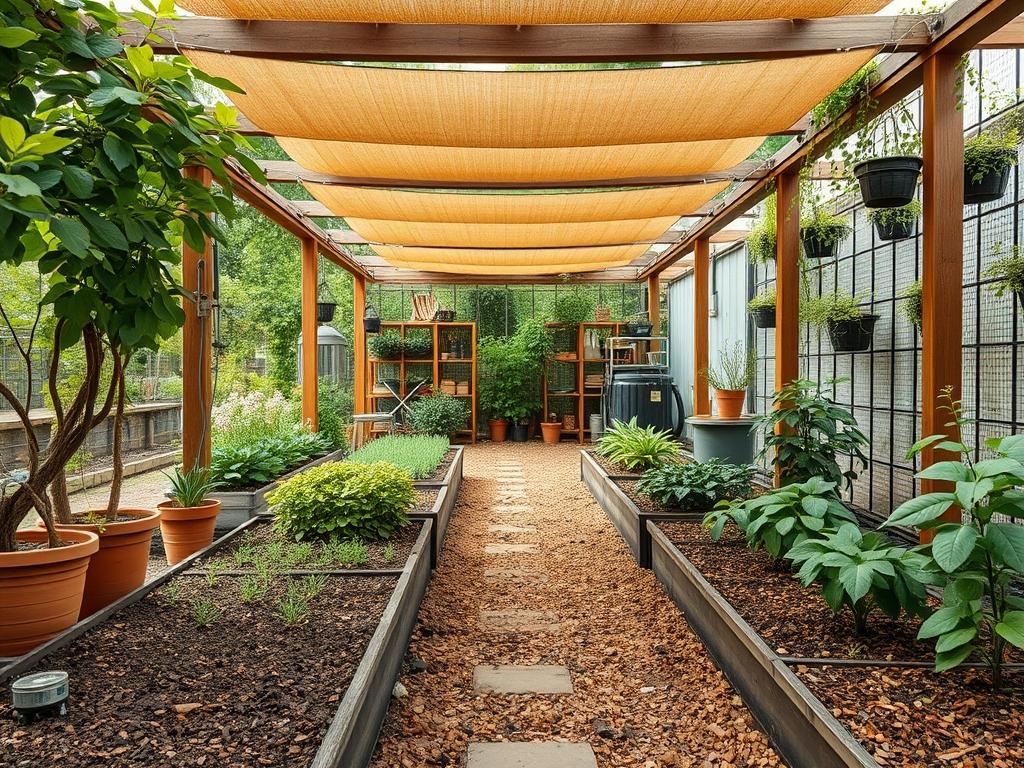
Designing an outdoor living space requires more than just placing furniture; it demands a deep understanding of light, air movement, and the architectural interplay between permanent structures and the shifting environment. A pergola often serves as the centerpiece of a high-quality landscape design, yet its skeletal frame provides little relief from the midday sun without the proper additives. Selecting the right backyard pergola shades involves balancing aesthetic appeal with durability, especially when considering the local climate and the long term maintenance of the surrounding vegetation. A well chosen shade system improves the functionality of the deck or patio while protecting occupants from ultraviolet radiation and reducing heat gain on adjacent interior walls. As a landscape architect, I view the pergola not just as a wood or aluminum structure, but as a dynamic component of the site micro-climate. The placement of the shade, its opacity, and its material composition will dictate the comfort levels of the space for decades.
Landscape Design Principles
When integrating backyard pergola shades into a master plan, professionals must adhere to the core principles of symmetry and visual balance. A pergola acts as a vertical focal point that draws the eye upward, transitioning the gaze from low-lying Fescue or St. Augustine turf to the sky. If the shade material is too heavy or dark, it can make the structure feel top-heavy, which disrupts the natural elevation layers of the garden. To maintain harmony, the shade should complement the texture of the hardscaping below, whether that involves Travertine pavers, Flagstone, or Stamped concrete.
Elevation is another critical factor. A pergola situated on a raised terrace requires different shade considerations than one tucked into a sunken garden. In windy high elevation areas, fixed fabric covers may act as sails, putting immense stress on the 6×6 cedar posts and Lag bolts. In these scenarios, perforated materials or retractable louvers are preferred to allow air to pass through freely. Furthermore, the designer must plan for the transition between the structure and the softscape. Irrigation lines for nearby Boxwoods or Hydrangeas should be routed away from the pergola footings to prevent soil saturation, which can lead to post rot or structural shifting over time. Walkways leading to the pergola should be wide enough to accommodate the visual weight of the structure; a 48-inch path provides a more professional feel than a narrow trail.
Plant and Material Selection
The choice between biological shade and synthetic material is one of the most significant decisions in garden planning. Biological shades, such as climbing vines, offer evaporative cooling and seasonal interest. Synthetic shades, like HDPE knit fabric or Acrylic canvas, provide immediate relief and consistent protection.
| Plant or Material | Sun Exposure | Soil Needs | Water Demand | Growth Speed | Maintenance Level |
| :— | :— | :— | :— | :— | :— |
| Wisteria sinensis | Full Sun | Rich, Loamy | High | Fast | High (Pruning) |
| Vitis vinifera | Full Sun | Well-drained | Moderate | Fast | Medium |
| Lonicera sempervirens | Sun/Part Shade | Moist, Acidic | Moderate | Moderate | Low |
| Campsis radicans | Full Sun | Adaptable | Low | Very Fast | High |
| Clematis | Full Sun (Tops) | Cool, Moist | High | Moderate | Medium |
| HDPE Mesh Fabric | N/A | N/A | None | N/A | Low (Cleaning) |
| Solution-dyed Acrylic | N/A | N/A | None | N/A | Moderate |
For those choosing traditional materials, Solution-dyed acrylic is the industry standard for color fastness and water resistance. However, if the goal is strictly heat reduction, a Commercial grade 95 percent UV block mesh is often superior. This material allows trapped heat to escape upward through the knit, whereas solid canvases can create a “heat bubble” effect if the pergola lacks sufficient height.
Implementation Strategy
The successful installation of backyard pergola shades begins with site preparation and structural analysis. Before the first post is set, a Transit level should be used to ensure the entire footprint is graded for proper drainage. Water should always flow away from the foundation of the pergola to prevent “ponding,” which can destabilize the Concrete piers. For the structure itself, we typically specify a minimum of 36-inch deep footings, depending on the local frost line.
Once the structure is anchored, the shade installation follows a specific hierarchy. If using retractable shades, the Aluminum tracks must be perfectly parallel; even a 1/4-inch deviation can cause the mechanism to bind. For manual shade sails or fabric panels, we utilize 316-grade stainless steel turnbuckles and Eye bolts to maintain tension. Properly tensioned fabric prevents sagging, which can collect rainwater and debris, leading to mildew or structural failure. If opting for a biological shade, a Stainless steel cable trellis system should be installed 6 inches above the rafters. This creates an air gap between the foliage and the wood, preventing the vines from trapping moisture against the beams and causing premature wood decay. Finally, apply a 2-inch layer of hardwood mulch around the base of the climbing plants to retain moisture and keep the roots cool, ensuring the vines thrive and provide the intended coverage.
Common Landscaping Failures
The most frequent mistake in pergola planning is neglecting the impact of wind loads and drainage. If a solid backyard pergola shade is installed without considering the uplift force of a storm, it can literally rip the structure out of the ground or shear the Galvanized fasteners. Another common failure is poor soil management around the structure. When heavy machinery is used for excavation, it causes Soil compaction, which prevents water from reaching the roots of nearby plants and leads to poor drainage. Using a Power auger can minimize the footprint of the disturbance, but any compacted areas should be aerated before planting begins.
Root overcrowding is another issue that many amateur gardeners overlook. Planting large vines like Campsis radicans too close to the foundation can lead to root intrusion into drainage pipes or the uplift of nearby Stone pavers. Similarly, improper spacing of the pergola from the main residence can lead to “dead zones” where air cannot circulate, resulting in mold growth on both the house siding and the pergola shade fabric. Irrigation inefficiencies, such as spray heads hitting the wooden beams rather than the base of the plants, will also lead to the rapid deterioration of Stains and Sealants, necessitating expensive repairs.
Seasonal Maintenance
To keep backyard pergola shades and the surrounding landscape in peak condition, a seasonal management schedule is essential. In the spring, inspect all Connectors, Cables, and Tensioners. This is the time to prune biological shades like Wisteria to encourage outward growth rather than vertical congestion. Apply a balanced fertilizer to the base of the vines to support the upcoming growth surge.
By summer, the focus shifts to irrigation and fabric care. If using synthetic shades, a light wash with a Soft bristle brush and mild soap will remove pollen and dust that can bake into the fibers under the sun. During autumn, remove falling leaves from the top of the shade structure immediately; decaying organic matter produces acids that can stain Acrylic fabrics and promote fungal growth. For regions with heavy snow, many backyard pergola shades, specifically those made of fabric or mesh, should be taken down and stored. The weight of heavy snow can easily exceed the weight capacity of the Rafters. During winter, check the wooden structure for checking or splitting, and plan for any necessary re-staining in the coming spring.
Professional Landscaping FAQ
How do I choose between a fixed and retractable pergola shade?
Fixed shades offer maximum durability and lower costs for high-wind areas. Retractable systems provide versatility, allowing for sun during the winter and shade during the summer, though they require more mechanical maintenance and a higher initial investment in hardware.
What is the best way to clean shade fabric without damaging it?
Use a mixture of mild soap and lukewarm water with a Low-pressure garden hose. Avoid high-pressure power washers, which can strip the UV coating or fray the fibers of Polyethylene and Acrylic materials. Always allow the fabric to air dry.
Can I grow edible plants as a pergola shade?
Yes, Vitis vinifera or hardy Kiwi vines are excellent choices. They provide dense shade and architectural interest; however, be mindful that dropping fruit can stain Light-colored pavers and attract unwanted insects to your seating area.
How deep should my pergola posts be for a heavy shade system?
Posts should generally be buried at least 3 feet deep or below the local frost line. When adding a shade that increases wind resistance, the concrete base should be wider to act as a significant counterweight against lateral forces.
Does a pergola shade increase the value of my home?
A professionally designed pergola with high-quality shades significantly improves curb appeal and creates defined “outdoor rooms.” This functional square footage is highly attractive to buyers, often providing a high return on investment compared to interior renovations.