
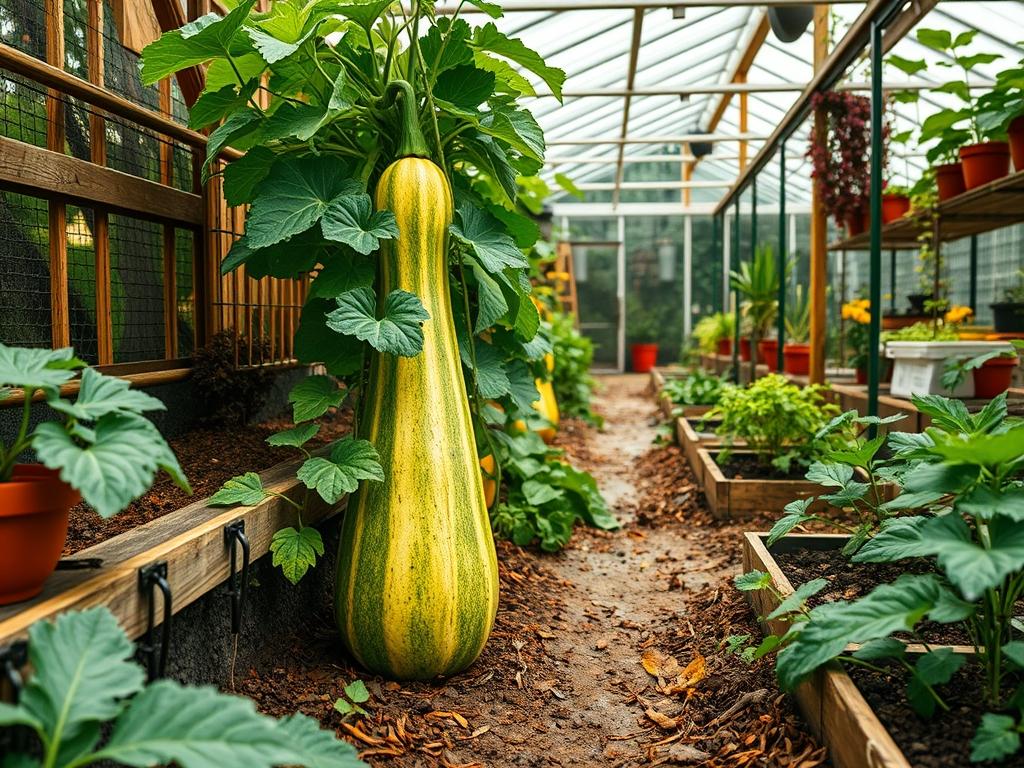
Designing a functional outdoor environment requires balancing aesthetic beauty with physical productivity. Traditionally, sprawling vine crops like squash demand excessive square footage, often swallowing lawns and encroaching on walkways. By pivoting to a vertical growth model, we transform a messy agricultural challenge into a structured architectural asset. Vertical Backyard Squash systems allow designers to reclaim valuable ground space while introducing height and texture to the garden perimeter. This approach addresses common urban constraints such as poor soil drainage at ground level and limited sun exposure by directing growth toward the light. Successful integration requires more than just a seed and a fence; it demands careful consideration of civil engineering, hydraulic planning, and ornamental symmetry. When we treat the vegetable garden as a permanent landscape feature, we increase both the utility of the yard and the overall market value of the property.
Landscape Design Principles
Symmetry provides the backbone of any professional landscape. When installing a vertical system, the structure must serve as a deliberate focal point rather than a haphazard afterthought. For instance, an A-frame trellis or a series of Cedar Arbors can create a dramatic gateway between a patio and a turf area. This creates a sense of destination. Using the Vertical Backyard Squash as a living screen also provides privacy without the harshness of a solid fence.
Elevation layers are equally significant in professional planning. By training Butternut Squash or Summer Squash upward, you create a tiered effect that allows for secondary plantings of Creeping Thyme or Lantana at the base. This vertical layering maximizes photosynthesis across multiple planes. Beyond aesthetics, the elevation facilitates better airflow, which is the primary defense against powdery mildew.
Irrigation planning must be integrated during the design phase. Overhead watering is detrimental to large leaf surfaces, as it encourages pathogens. A Drip Irrigation Kit should be buried 2 inches beneath the Mulch to provide targeted hydration directly to the root zone. This ensures the foliage remains dry while the plant receives a consistent supply of water. Walkways should be planned with a minimum width of 36 inches to allow for easy harvesting and maintenance access without stepping on the root zones of the vertical plants. Visual balance is maintained by matching the scale of the trellis to the surrounding architecture, ensuring the structure does not overwhelm small patio spaces.
Plant and Material Selection
| Plant/Material Type | Sun Exposure | Soil Needs | Water Demand | Growth Speed | Maintenance |
| :— | :— | :— | :— | :— | :— |
| Tromboncino Squash | Full Sun | Well-drained Loam | High | Rapid | Moderate |
| Small Pumpkin | Full Sun | High Organic Matter | Medium-High | Moderate | High (Support needed) |
| Delicata Squash | Full Sun | Neutral pH | Medium | Fast | Low |
| Galvanized Steel Panels | N/A | N/A | N/A | N/A | Very Low |
| Cedar 4×4 Posts | N/A | N/A | N/A | N/A | Low (Staining needed) |
| Honeydew (Vertical) | Full Sun | Sandy Loam | High | Fast | High (Slinging fruit) |
Implementation Strategy
The implementation of a Vertical Backyard Squash system begins with a comprehensive site survey. Before any materials are staged, you must check the grading. A slope of approximately 2 percent away from the home and any hardscaping is necessary to prevent water from stagnating around the trellis footings. If the area is perfectly flat, consider installing a French Drain or slightly elevating the planting bed to ensure gravity-assisted drainage.
Once the grade is established, the hardscaping begins. Use 4×4 Pressure Treated Posts set in Concrete at a depth of 18 inches if you are building a permanent structure for larger varieties like Blue Hubbard. For lighter crops, Cattle Panels attached to T-Posts offer a more flexible but still durable solution. Always use Stainless Steel Screws to prevent rust streaks from marring the wood over time.
After the structure is secure, define the planting area with Steel Edging or Stone Cobbles. This creates a clean line between the garden and the lawn, facilitating easier mowing and preventing grass from stealing nutrients. Amend the soil with high-quality compost and a balanced slow-release fertilizer. Apply a 3 inch layer of Hardwood Mulch to regulate soil temperature and suppress weeds. Finally, install the irrigation lines, ensuring each plant has at least one or two Emitters placed at the base. This systematic approach ensures that the Vertical Backyard Squash has the structural support and nutritional foundation required for a full growing season.
Common Landscaping Failures
The most frequent error in vertical gardening is insufficient anchoring. A mature Acorn Squash vine laden with fruit can weigh over 60 pounds when fully hydrated. During a high-wind event, the trellis acts as a sail. Without proper structural depth or bracing, the garden can collapse, destroying the crop and potentially damaging nearby hardscaping.
Another common failure involves drainage mistakes. Many homeowners forget that vertical structures often concentrate water at the base of the posts. If the soil is too compacted, this leads to root rot or the premature decay of wooden supports. Soil compaction is often caused by frequent foot traffic in the same spot during harvest. To mitigate this, professional designers install Flagstone Pavers or Stepping Stones in the maintenance lane to distribute weight.
Improper spacing is the third major pitfall. While the growth is vertical, the root system still requires horizontal volume. Crowding too many Vertical Backyard Squash plants into a single linear foot leads to nutrient competition and stunted fruit. Furthermore, poor irrigation design often leads to “shadowing,” where the upper leaves block water from reaching the lower portions of the plant or the soil if using an overhead system. Using a dedicated Drip Line is the only way to ensure efficiency.
Seasonal Maintenance
Spring maintenance is focused on structural integrity and soil preparation. Inspect all Trellis Netting and fasteners for signs of winter damage or wood rot. This is also the time to test the Irrigation Controller and flush the lines to remove any debris that accumulated over the winter. Apply a fresh layer of Compost to the base of the planting site to recharge the soil before the first seeds or transplants go in.
During the Summer, the priority shifts to vine training and hydraulic management. As the Vertical Backyard Squash grows, it must be manually guided onto the support structure using Jute Twine or Plastic Garden Ties. Do not tie them too tightly, as the stems will thicken throughout the season. Monitor the soil moisture levels daily during heatwaves; the increased leaf surface area exposed to the air causes the plants to lose water faster than ground-grown varieties.
Autumn is the season for sanitation and structural protection. Once the harvest is complete, remove all dead vegetative matter immediately. Leaving old vines on the trellis provides a winter home for pests like squash bugs. If you used Nylon Mesh, it should be taken down, cleaned, and stored to prevent UV degradation. In Winter, focus on hardscape repairs and applying a protective seal to any Wooden Arbors. This cycle ensures the landscape remains an asset rather than a maintenance burden.
Professional Landscaping FAQ
How do I support heavy fruit on a vertical trellis?
Use flexible Nylon Mesh or repurposed fabric to create slings for large Butternut Squash. Tie the slings directly to the trellis frame to distribute weight away from the vine, preventing breakage during the final ripening stage.
What is the best material for a permanent vertical structure?
Galvanized Steel Cattle Panels or Powder Coated Iron offer the longest lifespan. These materials resist rust and can support the massive weight of a mature Vertical Backyard Squash canopy without bowing or warping under the summer heat.
Can I grow squash vertically in a shady backyard?
Squash requires at least 6 to 8 hours of direct sunlight. If your yard is shaded, use the vertical structure to lift the plants into higher light zones, but ensure the base still receives adequate thermal energy for root development.
Will vertical growing prevent all pests?
It significantly reduces soil-borne diseases and prevents fruit rot by keeping the squash off the ground. However, you must still monitor for Squash Vine Borers. The increased visibility of a vertical system makes these pests much easier to spot early.
How deep should the root zone be for vertical varieties?
Provide at least 12 to 18 inches of loose, amended topsoil. Vertical growth places higher metabolic demands on the plant, so a deep, nutrient-rich root zone is essential for supporting the massive leaf area and fruit production needed for success.