
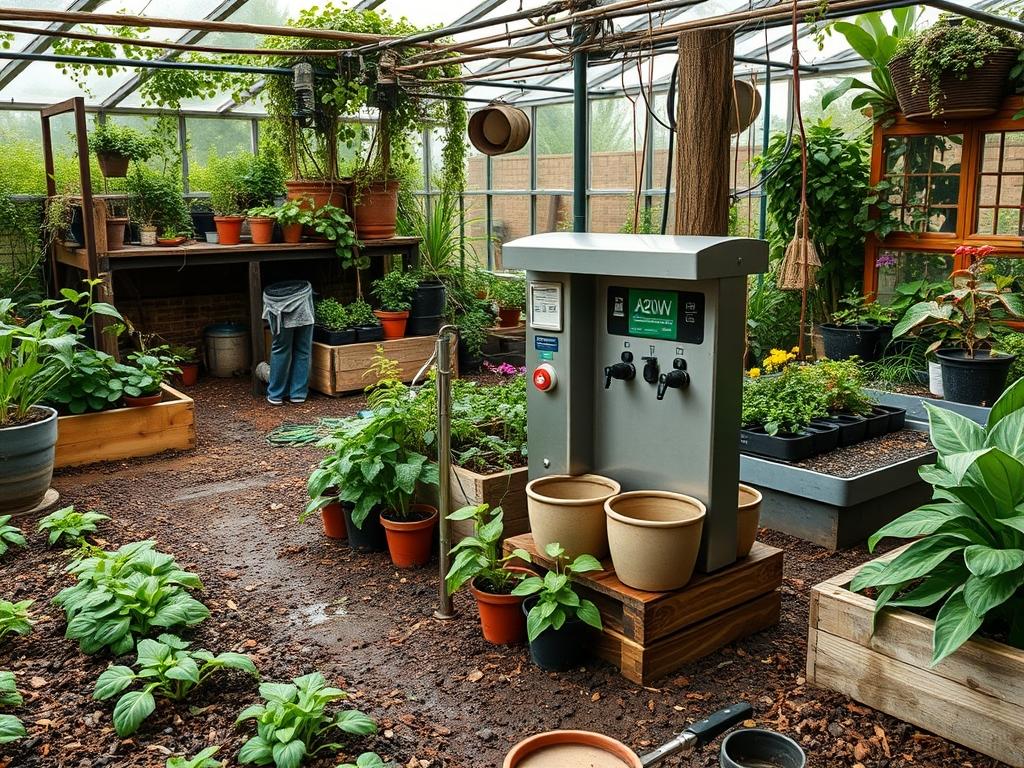
Integrating a highly functional paw wash station into a residential landscape requires a sophisticated balance between utilitarian engineering and aesthetic cohesion. A successful outdoor environment must address the bridge between the untamed garden and the pristine interior of the home. When we design these transition zones, we consider the specific climate challenges and the frequency of use. For homeowners in wet or snowy regions, a muddy paws protocol is not a luxury; it is a necessity for preserving the longevity of interior finishes. This design challenge demands an understanding of how water moves across the property and how to direct that flow away from the foundation while maintaining top-tier curb appeal. A well-designed station should feel like a deliberate architectural feature, rather than a cluttered afterthought.
Landscape Design Principles for Paw Wash Stations
Achieving a professional look for Backyard Paw Wash Stations starts with the application of foundational design principles. Symmetry and focal points allow the station to blend into the overall outdoor living space. If your patio features a specific Bluestone or Flagstone pattern, the wash station should utilize those same materials to maintain visual continuity. By placing the station near a side entry or a mudroom door, we create a clear focal point that signals the transition from work to home. This placement must also consider elevation layers. We often use slight changes in grade to define the washing area, perhaps elevating the base slightly to prevent the user from having to bend over excessively.
Visual balance is achieved through the careful selection of hardscaping. If the station is too large, it overwhelms the garden; if it is too small, it becomes a messy corner of splashing water. We recommend a footprint of at least 3 feet by 4 feet for most medium to large breeds. Irrigation planning is also critical. The water source for the wash station should be integrated into the main home line or a high-pressure outdoor spigot, ensuring that the water pressure is sufficient to remove heavy mud. Furthermore, the surrounding landscape should feature walkways that lead directly to the station, using non-slip materials like Honed Granite or River Rock to prevent accidents when the surface is wet.
Plant and Material Selection
The following selection of plants and materials is curated specifically for their durability near water-intensive zones and their safety for pets.
| Plant Type | Sun Exposure | Soil Needs | Water Demand | Growth Speed | Maintenance Level |
| :— | :— | :— | :— | :— | :— |
| Creeping Thyme | Full Sun | Well-drained | Moderate | Fast | Low |
| Blue Fescue | Full Sun | Sandy/Dry | Low | Moderate | Low |
| Lavender | Full Sun | Gritty/Alkaline | Low | Moderate | Medium |
| Switchgrass | Sun/Part Shade | Most types | High | Fast | Low |
| Daylily | Sun/Part Shade | Loamy | Moderate | Fast | Low |
For materials, the choice of Natural River Rock or Smooth Mexican Pebble is superior for the drainage basin. These stones allow for high-speed water infiltration while being comfortable on a dog’s paws. Avoid using sharp Crushed Gravel, as this can cause discomfort and potential injury. For the vertical elements, Cedar Wood or Stacked Stone provides a sophisticated backdrop that withstands frequent moisture exposure.
Implementation Strategy
The implementation of Backyard Paw Wash Stations begins with a thorough site analysis and grading plan. First, identify the plumbing access point. It is cost-effective to place the station near an existing exterior faucet. Once the site is chosen, excavate the area to a depth of 8 inches. This depth allows for a stable base of 4 inches of compacted ¾-inch crushed stone, followed by a layer of landscape fabric to prevent soil migration.
The next step is the installation of the drainage system. A French Drain or a dedicated Dry Well is often required to handle the sudden influx of greywater. Ensure the basin has a 2 percent slope leading toward the drain to prevent standing water. For the surface, we suggest installing a custom Stainless Steel Grate or a series of Non-Slip Pavers with wide gaps filled with Pea Gravel.
If the station is built against the house, install a waterproof Backsplash made of Porcelain Tile or Stone Veneer to a height of 30 inches. This protects the home’s siding from water damage and mud splatter. Finally, apply a Polymeric Sand between paving joints to lock materials in place and prevent weeds from sprouting in the high-moisture environment. Finish the area with a Hardwood Mulch at a depth of 3 inches in the surrounding beds to retain moisture for the perimeter plantings and suppress weeds.
Common Landscaping Failures
One of the most frequent mistakes in backyard utility design is ignoring the impact of runoff. Without a properly graded surface, wash water can pool against the foundation or create marshy spots in the lawn. This leads to soil compaction and the eventual death of nearby turf. Another common error is improper spacing between the station and neighboring plants. Root Overcrowding occurs when architects place large shrubs too close to the drainage lines, leading to root intrusion that can clog the pipes.
Inadequate lighting is also a professional oversight. Many homeowners use their wash stations after evening walks; without a dedicated LED Path Light or a wall-mounted Low-Voltage Sconce, the area becomes a safety hazard. We also see many DIY installations fail because they use standard indoor grout or thin-set for outdoor tiling. These materials cannot handle the freeze-thaw cycles and will crack within the first season. Always specify Outdoor-Grade Thin-set and Epoxy Grout for any tiled surfaces involved in the project.
Seasonal Maintenance
To keep Backyard Paw Wash Stations performing at peak efficiency, a quarterly maintenance schedule is essential. In the spring, inspect all plumbing fixtures for leaks caused by winter expansion. Clear the drainage grates of any organic debris or silt that accumulated during the spring thaw. This is also the time to refresh the Mulch beds and prune any Native Plants that have begun to encroach on the walkway.
During the summer months, focus on weeding and ensuring the Irrigation system isn’t oversaturating the wash area. If you use soaps or shampoos, check the health of down-slope plants. In autumn, the primary task is leaf management. Falling foliage can quickly clog a French Drain or a Dry Well. Before the first frost, it is imperative to blow out the water lines and shut off the interior valve to prevent pipe bursts. For winter, if the station remains in use with a heated water source, ensure that the walking surfaces are treated with pet-safe ice melt to prevent the accumulation of dangerous ice sheets near the entry.
Professional Landscaping FAQ
How do I prevent the wash station from smelling over time?
Proper drainage is the key to preventing odors. Use a deep gravel base and ensure the area has enough sunlight to dry out between uses. Rinsing the basin with a mixture of water and white vinegar can also neutralize organic smells.
Is a permit required for an outdoor paw wash?
Simple stations that drain into the landscape often do not require permits. However, if you are tying the drain into the municipal sewer system or adding significant structural walls, you should consult your local building department regarding plumbing and zoning codes.
What is the best surface for a dog’s paws?
Smooth, large-diameter River Rocks or specialized Rubberized Paving provide the best grip and comfort. Avoid dark-colored stones like Black Basalt in full sun areas, as they can become hot enough to burn paw pads during the summer.
How can I hide the plumbing and hoses?
Integrate a small Cedar Cabinet or a Stacked Stone Half-Wall into the design. These structures can house the hose reel and plumbing valves while serving as a bench for the homeowner to sit on while washing their pet.
Can I use any soap in an outdoor station?
No, you must use biodegradable, phosphate-free soaps if the wash station drains directly into your garden. Chemicals in traditional shampoos can alter the soil pH and damage your Native Plants or contaminate local groundwater systems through runoff.