
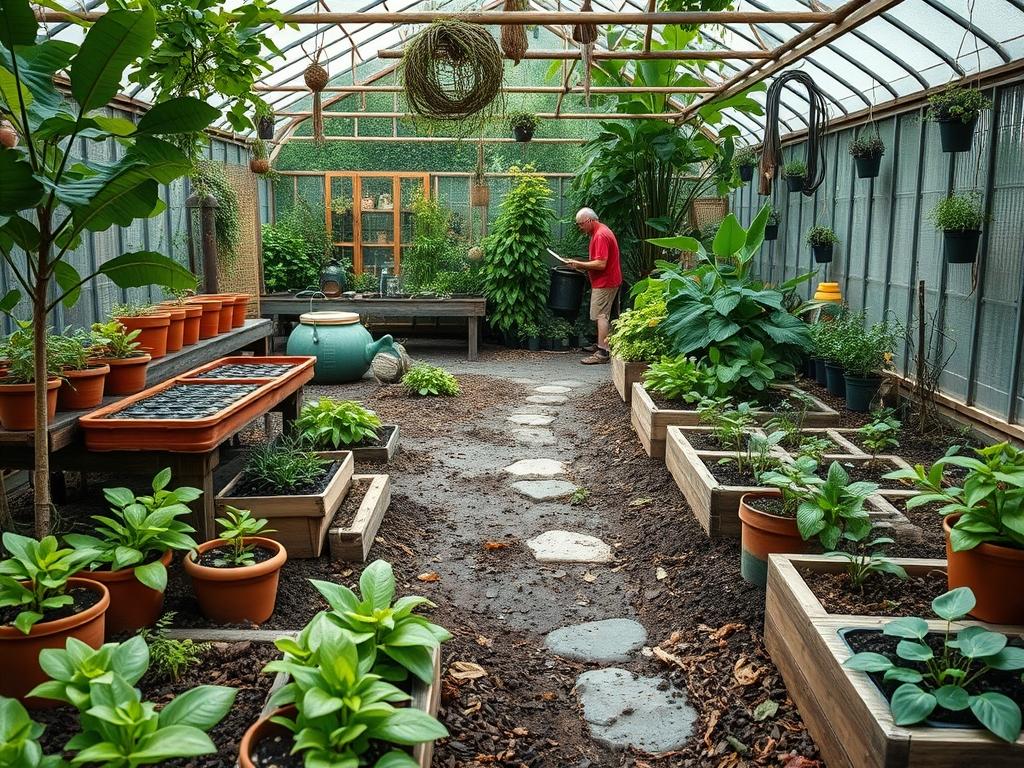
Most homeowners prioritize aesthetics when designing a backyard, often overlooking the functional ecosystem that supports a healthy outdoor environment. Integrating specific Backyard Bat Habitat Tips into a professional landscape plan does more than just aid conservation; it provides natural pest management and enhances the biological diversity of your property. A well designed habitat can be seamlessly woven into a refined landscape without sacrificing curb appeal or modern design standards. As a landscape architect, I see the integration of bat friendly features as a sophisticated way to balance the needs of a thriving garden with the desire for a comfortable, mosquito free outdoor living space. The challenge lies in creating an environment that feels curated and intentional while providing the verticality, water sources, and vegetation that bats require to survive and hunt.
Landscape Design Principles
Professional landscape design relies on key principles like symmetry, focal points, and elevation layers to create a sense of cohesion. When planning for a bat habitat, these principles are used to ensure that functional elements, such as bat houses and water features, do not detract from the visual harmony of the site. Symmetry can be achieved by placing bat houses in pairs or balancing a single house with a tall vertical feature like a flagpole or a sculptural trellis. Elevation is particularly important because bats require a clear drop-off to transition into flight. Designing a landscape with varying heights, starting with ground cover and moving up through mid-story shrubs to primary canopy trees, creates a natural staircase for biodiversity.
The focal point of a bat friendly backyard is often the bat house itself. To maintain curb appeal, these structures should be integrated into the architectural style of the home through matching paint colors or high quality wood finishes like western red cedar. Irrigation planning should also be considered at the design phase. A professional plan will ensure that the moisture intensive night blooming plants are grouped together in hydro-zones. This allows for efficient water use and ensures that the areas designed to attract insects for bats to eat remain lush and vibrant. Finally, visual balance is maintained by ensuring that the “wilder” areas of the habitat are bordered by crisp metal edging or clean flagstone walkways, signaling to viewers that the space is intentionally designed rather than neglected.
Plant and Material Selection
The following selection of plants and materials represents the gold standard for creating a moon garden that attracts the insects bats hunt while maintaining a high end landscape aesthetic.
| Plant Type | Sun Exposure | Soil Needs | Water Demand | Growth Speed | Maintenance Level |
| :— | :— | :— | :— | :— | :— |
| Evening Primrose (Oenothera) | Full Sun | Well-drained | Moderate | Fast | Low |
| Night-Blooming Jasmine | Part Shade | Rich, loamy | High | Fast | Medium |
| Moonflower (Ipomoea alba) | Full Sun | Moist, rich | High | Rapid | Medium |
| Goldenrod (Solidago) | Full Sun | Varied | Low | Fast | Low |
| Common Phlox (Phlox paniculata) | Full Sun | Fertile | Moderate | Medium | Medium |
| Yucca (Yucca filamentosa) | Full Sun | Sandy/Dry | Low | Slow | Low |
| Pale Evening Primrose | Full Sun | Sandy | Low | Medium | Low |
For materials, use premium double-shredded hardwood mulch to retain moisture and provide a clean finish. Use natural limestone for retaining walls to provide thermal mass, which helps maintain ambient temperatures near nocturnal garden beds. For structural support, use galvanized steel poles for mounting houses if building facades are not a viable option.
Implementation Strategy
A successful implementation starts with a comprehensive site analysis focused on grading and drainage. Before installing any bat friendly features, ensure the ground is graded to divert water away from the foundation of the home while allowing it to collect in a designated rain garden or near a water feature. Bats require a fresh water source, which can be accomplished by installing a recreation pond or a large, shallow stone basin. Ensure the water depth is consistent and provide a ramp or textured stones so other wildlife can escape if they fall in.
Once the grading is complete, install your hardscaping. This includes retaining walls, gravel paths, and paver patios. Hardscaping provides the structural “bones” of the garden. After the hardscaping is in place, focus on the verticality of the habitat. Mount your bat house at a height of at least 15 feet to 20 feet. It should face south or southeast to capture maximum solar heat, which is vital for maternal colonies. Use 3 inch lag bolts to secure the house to a pole or building, ensuring it is stable and free from vibrations.
Planting should follow the “layered” approach. Place the tallest trees at the perimeter to act as a windbreak and privacy screen. In front of these, plant your nocturnal blooming species. When applying mulch, maintain a 4 inch depth to suppress weeds and regulate soil temperature, but keep it at least 2 inches away from the base of trunks to prevent rot. Finalize the installation with low voltage LED lighting that is shielded and pointed downward to avoid light pollution, which can deter bats from using the habitat.
Common Landscaping Failures
One of the most frequent mistakes in backyard habitat planning is poor drainage. If water stagnates near a bat house or in the flight path, it can lead to high humidity levels that may cause fungal growth inside the nursery chambers. Additionally, root overcrowding is a common issue when homeowners plant too many “fast-growing” species in a small area. Without proper 2 foot to 3 foot spacing between larger shrubs, the plants will compete for nutrients and eventually die back, leaving the habitat sparse.
Another common failure is the use of broad-spectrum pesticides. Since bats rely on a steady supply of moths and beetles, the use of chemical sprays effectively starves the habitat of its food source. Instead, use integrated pest management and focus on mechanical controls or organic soaps. Irrigation inefficiencies also plague many DIY landscapes; if sensors are not used, the “moon garden” may become overwatered, leading to root rot in species like Yucca. Lastly, improper spacing of the bat house can be a fatal flaw. If the house is too close to trees where predators like owls can perch, bats will likely abandon the site.
Seasonal Maintenance
Landscape management is an ongoing process that changes with the cycles of the year. In the spring, the focus should be on inspecting the bat house for any damage from winter storms and checking for unwanted residents like wasps or birds. This is also the time for pruning any branches that have grown into the flight path. Ensure there is a clear 10 foot radius of open space below and in front of the house.
During the summer, the priority shifts to irrigation and water management. Ensure the water source is clean and full, as high temperatures increase the evaporation rate. Use a stiff brush to clean stone basins weekly to prevent algae buildup. In the autumn, focus on soil health by adding compost and refreshing the mulch layers. Leave some leaf litter in the peripheral garden beds to provide overwintering sites for the insects that will hatch in the spring. Finally, in the winter, when most North American bats are in torpor or have migrated, you can perform structural repairs on the houses and plan your next phase of plantings without disturbing the colony.
Professional Landscaping FAQ
What is the best height for a bat house?
For safety and thermal regulation, mount the house at least 15 feet above the ground. This height protects bats from terrestrial predators and provides enough vertical space for them to drop into flight upon exiting the roost.
What color should I paint my bat house?
In cooler climates, use a darker stain or black paint to absorb solar heat. In warmer southern climates, use a medium tan or light gray. The goal is to maintain internal temperatures between 80 degrees and 100 degrees Fahrenheit.
Can I use solar lights in a bat habitat?
If you must use lights, choose warm-toned LEDs with a color temperature below 3000K. Ensure the fixtures are downward-facing and shielded so that light does not spill into the sky or shine directly at the bat house entrance.
How far should the house be from trees?
Place the house at least 20 feet away from the nearest tree canopy. This prevents predators like hawks and owls from perching near the entrance and gives the bats a clear, unobstructed “flyway” for entering and exiting the roost.
Does a bat house need a water source nearby?
Ideally, a water source should be within quarter mile of the habitat. If your property lacks a natural pond or stream, installing a recirculation fountain or large birdbath will significantly increase the chances of the house being colonized.