
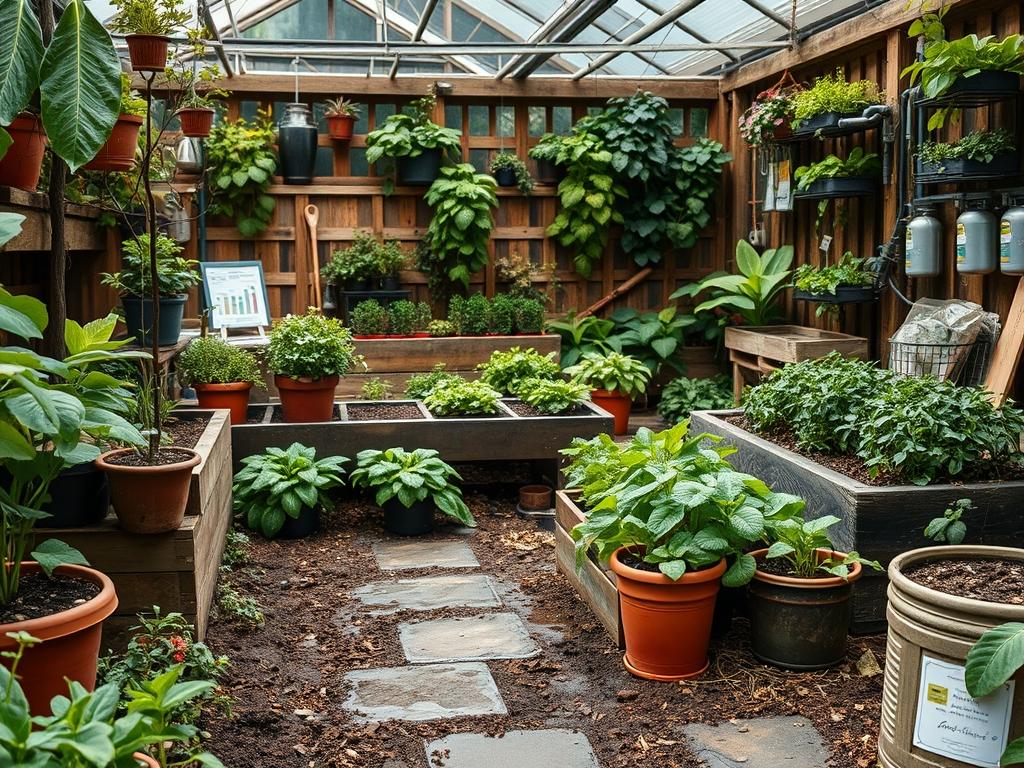
Corner backyard layouts represent a unique architectural puzzle where two property lines converge, often resulting in awkward angles or underutilized wedge spaces. Unlike standard rectangular lots, these footprints require a sophisticated understanding of spatial geometry to prevent the “dead corner” syndrome where the furthest point of the yard becomes a catch-all for debris or neglected vegetation. A successful design must address the intersection of two different sightlines while considering the microclimates created by shadows from intersecting fences or structures. For many homeowners, the challenge lies in the fact that a corner lot often has two “public” faces, meaning the backyard must provide a high degree of privacy without sacrificing the property’s overall curb appeal or structural flow. Effective planning begins with a thorough site analysis that identifies prevailing wind patterns, sun orientation, and the natural slope of the land. By identifying these variables early, a landscape architect can transform a sharp 90-degree angle into a soft, inviting retreat that maximizes every square foot of available earth.
Landscape Design Principles
When approaching corner backyard layouts, the most critical principle is the establishment of a clear focal point at the junction of the two property lines. This creates an anchor for the eye and prevents the space from feeling disjointed. One common technique is to use a radial design where paths and planting beds arc outward from the corner, making the yard feel wider and more expansive. If the site has significant topographical changes, Retaining Walls can be used to create terraced levels. These levels not only solve slope issues but also provide a sense of architectural deliberate design. Symmetry is rarely the goal in a corner lot; instead, designers aim for visual balance. A large, dominant tree in one area can be balanced by a cluster of mid-sized shrubs and a structural element like a pergola in another.
Elevation layers are equally important for depth. By placing the tallest elements, such as Columnar European Hornbeams or Italian Cypresses, at the very back of the corner and stepping down to lower shrubs and groundcovers, you create a stadium seating effect for your plants. This ensures every layer is visible. Irrigation planning must be meticulously mapped because corners often suffer from either extreme dryness due to wind tunnels or excessive moisture if the grading directs all runoff into the point of the wedge. Installing a smart irrigation system with Drip Emitters allows for precise water delivery to different hydrozones, ensuring that drought-tolerant species near the fence and moisture-loving perennials near the patio both thrive. Finally, walkways should follow the natural “desire paths” of the residents. Using Flagstone Pavers or Decomposed Granite for these paths provides a stable surface that guides movement toward the corner focal point, whether that be a fire pit, a fountain, or a secluded seating nook.
Plant and Material Selection
Selecting the right materials and life forms is the difference between a high-maintenance headache and a flourishing ecosystem. In a corner layout, plants must be chosen for their mature width to avoid crowding the fence or encroaching on walkways. The following table provides a selection of species that work particularly well in modern corner designs.
| Plant Type | Sun Exposure | Soil Needs | Water Demand | Growth Speed | Maintenance Level |
| :— | :— | :— | :— | :— | :— |
| Emerald Green Arborvitae | Full Sun to Part Shade | Well-drained loamy | Medium | Moderate | Low |
| Japanese Forest Grass | Part Shade to Full Shade | Moist, humus-rich | High | Slow | Very Low |
| Little Lime Hydrangea | Full Sun to Part Shade | Moist, acidic | High | Fast | Moderate |
| Blue Star Juniper | Full Sun | Sandy, well-drained | Low | Slow | Low |
| Switchgrass | Full Sun | Adaptable | Low | Fast | Low |
| Paperbark Maple | Full Sun to Part Shade | Standard garden soil | Medium | Slow | Low |
| Creeping Thyme | Full Sun | Well-drained, poor soil | Low | Moderate | Very Low |
Beyond botanical choices, the hardscaping material selection should remain consistent with the home’s architecture. For a modern aesthetic, Large Format Porcelain Pavers or Smooth Topped Concrete offer clean lines that contrast beautifully with the organic shapes of the plants. Steel Edging is also a preferred tool for corner layouts because it can be bent into crisp, clean curves that define the boundary between turf and mulch beds, maintaining that professional finish over time.
Implementation Strategy
The successful execution of a corner backyard layout begins with professional grading. You must ensure a slope of at least 1 to 2 percent away from the house foundation to prevent basement flooding. Once the rough grade is established, the next step involves marking out the utility lines and the footprint of any hardscaping features using marking paint. For corner lots, a Laser Level is an essential tool to ensure that the heights of different tiers or walls are consistent across the span of the yard. After the layout is marked, excavate the areas for patios or walkways to a depth of 6 to 8 inches, depending on the thickness of the base material. A standard base consists of 4 inches of Crushed Limestone (or 21A gravel), which must be compacted using a Vibratory Plate Compactor to prevent future settling.
Once the hardscape is in place, focus on the planting beds. Modern designs favor a layered approach. Before planting, incorporate Organic Compost into the existing soil to improve nutrient density and drainage. When placing plants, always follow the spacing recommendations provided by the nursery; a 3-gallon Panicle Hydrangea may look small now, but it will eventually reach 5 feet in diameter. After the plants are in the ground, install a 3-inch layer of Hardwood Mulch. Mulch is critical for moisture retention and weed suppression, but it must be kept a few inches away from the trunk or base of the plants to prevent rot. For the corner itself, if a privacy screen is needed, consider an “offset” planting pattern of Evergreen Shrubs which provides a dense visual barrier without the rigid look of a straight hedge.
Common Landscaping Failures
The most frequent error in corner backyard projects is the “bathtub effect” where the corner becomes a low point for the entire neighborhood’s runoff. Without a dedicated French Drain or a Dry Well, this area will become a swamp, killing plant roots and attracting mosquitoes. This situation is often exacerbated by soil compaction. During construction, heavy machinery compresses the earth, destroying the pore spaces that allow water and oxygen to reach roots. Before planting, it is vital to use a Power Tiller or a broadfork to decompact the soil in the planting zones.
Another common failure is improper spacing near structures. Homeowners often plant Large-Canopy Trees too close to the property line or fence. As these trees mature, their branches push against the fence, leading to structural damage and neighbor disputes. Over-mulching is another issue; applying more than 4 inches of mulch can actually suffocate the soil and prevent water from reaching the root zone. Finally, many people neglect the “lighting” aspect of a corner. Without Low-Voltage LED Uplighting on focal trees or path lights along the walkways, the corner disappears into a dark void at night, which can be a safety hazard and a missed opportunity for evening ambiance.
Seasonal Maintenance
Landscape management is a year-round commitment that changes with the weather. In the Spring, the focus is on rejuvenation. This is the time to apply a Pre-emergent Herbicide to prevent weed seeds from germinating and to perform “dormant pruning” on shrubs that bloom on new wood. Testing the soil pH is also recommended to see if amendments like lime or sulfur are needed. As you transition into Summer, the priority shifts to hydration. Check your irrigation system for clogged nozzles and adjust the timing to account for high heat. Deep, infrequent watering is better than shallow daily misting because it encourages roots to grow deeper into the soil.
During the Autumn, the primary task is cleanup and preparation for the cold. Raking leaves is essential because a thick layer of wet leaves can smother the lawn and harbor fungal diseases. This is also the best time to plant new trees and shrubs, as the cooler temperatures allow them to establish roots without the stress of summer heat. Finally, in Winter, the landscape is largely dormant, but maintenance continues. Protect sensitive species from heavy snow loads by gently brushing them off, and avoid using salt-based de-icers near planting beds, as the salt can leach into the soil and damage the root systems of your Perennials and Gold Mop Cypresses.
Professional Landscaping FAQ
How do I manage water pooling in my yard corner?
Install a French Drain using a perforated 4-inch PVC Pipe surrounded by river rock. This system redirects excess water toward a suitable exit point or a Dry Well, preventing soil saturation and plant death in low-lying areas.
What is the best focal point for a small corner?
A tiered Water Feature or a sculptural element works best. These items draw the eye upward and add a vertical dimension that makes the corner feel like a destination rather than a boundary, maximizing the perceived square footage.
How far should I plant trees from the fence?
Always research the mature canopy width. Generally, you should plant trees at a distance equal to half of their mature spread plus two feet. This prevents branches from damaging the fence and allows for proper air circulation.
Can I use a corner layout for an edible garden?
Yes, use Raised Garden Beds constructed from Cedar or Stone. Arrange them in a “V” shape to follow the corner’s geometry. This provides excellent drainage and makes it easier to manage soil quality for vegetables.
What is the most durable mulch for windy corners?
Use Double-Ground Hardwood Mulch or Pine Bark Nuggets. These heavier materials are less likely to wash away during heavy rains or blow away in high winds compared to lighter options like straw or shredded cedar.