
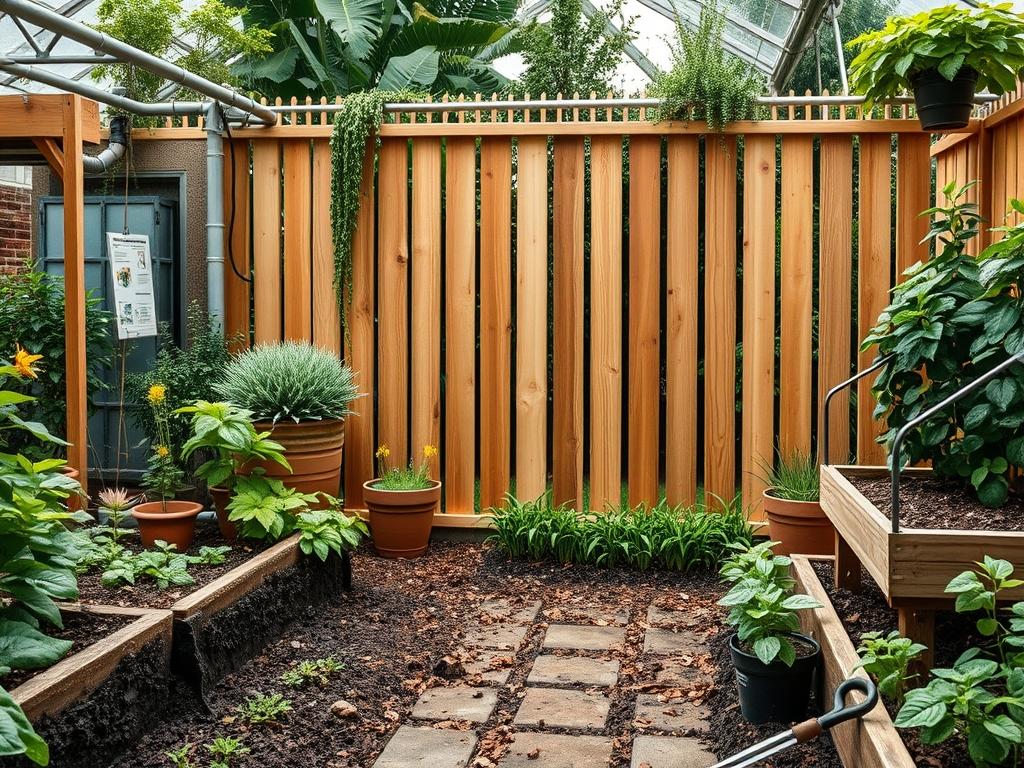
Integrating high-quality materials into an existing perimeter boundary is one of the most cost-effective ways to elevate a property’s aesthetic value while solving the inherent lack of seclusion provided by wire fencing. Traditional chain link fences offer security and durability, yet they often fail to provide the intimate atmosphere required for modern outdoor living. By incorporating Cedar Privacy Slats, a designer can transform an industrial-grade barrier into a warm, organic architectural feature. This transition is essential for homeowners who desire the strength of steel combined with the classic beauty of wood. Proper installation requires a keen understanding of material science, specifically how natural wood interacts with metal under varying humidity levels and temperatures. Beyond the immediate visual upgrade, these slats serve as a windbreak and a noise dampener, effectively creating a more controlled microclimate within the garden. This process is not merely a cosmetic fix; it is a strategic landscape intervention that defines the “outdoor room” and establishes a sophisticated backdrop for subsequent horticultural layering.
Landscape Design Principles
In the realm of landscape architecture, the perimeter acts as the frame for the entire site. Symmetry and visual balance are achieved when the vertical lines of the Cedar Privacy Slats provide a consistent rhythm that guides the eye toward specific focal points, such as a custom fire pit or a specimen tree. Elevation layers are critical here. A flat, one-dimensional fence line often feels oppressive. To counter this, designers should utilize the slats as a neutral canvas, allowing the textures of foreground plantings to pop.
Visual balance also involves managing the “weight” of the fence. Because cedar has a significant visual presence, it must be balanced with hardscaping elements like flagstone walkways or retaining walls. If the fence is tall, low-slung horizontal elements in the garden can help ground the space. Irrigation planning should be integrated early in the design phase to ensure that water spray does not constantly saturate the wood, which would lead to premature weathering. Furthermore, the alignment of the slats should be checked with a transit level to ensure that any slope in the terrain is handled through stepping rather than racking, maintaining a professional and intentional appearance across the entire span.
Plant and Material Selection
Selecting the right flora to accompany your New Cedar Privacy Slats involves balancing growth habits with maintenance requirements. The plants listed below are chosen for their ability to complement the warm tones of cedar while thriving in common residential soil conditions.
| Plant Type | Sun Exposure | Soil Needs | Water Demand | Growth Speed | Maintenance Level |
| :— | :— | :— | :— | :— | :— |
| Japanese Maple | Partial Shade | Well-drained, acidic | Moderate | Slow | Medium |
| Green Giant Arborvitae | Full Sun | Adaptable | Low to Moderate | Fast | Low |
| Lavender (Phenomenal) | Full Sun | Sandy, alkaline | Low (Xeric) | Moderate | Low |
| Boxwood (Winter Gem) | Full/Partial Sun | Loamy, moist | Moderate | Slow | High (Pruning) |
| Creeping Jenny | Partial Sun | Moist, rich | High | Fast | Medium |
| Star Jasmine | Full/Partial Sun | Well-drained | Moderate | Fast | Medium |
Implementation Strategy
The installation of Cedar Privacy Slats begins with a thorough assessment of the existing chain link structure. Before any wood is inserted, the tension of the 9-gauge wire must be verified. If the mesh is sagging, the added weight of the wood will exacerbate the issue. Begin by cleaning the fence with a pressure washer on a low setting to remove oxidation and debris.
Once the site is prepared, measure the height of the mesh meticulously. Cedar Privacy Slats usually come in standard lengths like 5-foot or 6-foot increments, but custom trimming may be required to achieve a flush finish with the top rail. Insertion should follow a systematic pattern. Most systems utilize a locking track at the bottom or top to prevent the slats from sliding out over time. As you slide each piece of wood into the diamond mesh, ensure a 1/8-inch tolerance to allow for the natural expansion and contraction of the wood fibers.
After the slats are secured, the transition to the ground is handled through grading and edging. A clean steel landscape edging strip should be installed roughly 6 inches from the base of the fence. This creates a dedicated zone for organic cedar mulch, applied to a 3-inch depth. This mulch serves a dual purpose: it suppresses weeds and prevents string trimmers from damaging the bottom of your new cedar inserts. For drainage, ensure the soil is graded at a 2 percent slope away from the fence posts to prevent water from pooling around the concrete footings, which can lead to frost heave in colder climates.
Common Landscaping Failures
The most frequent error in these projects is a failure to account for drainage. When homeowners install privacy slats, they often neglect how water moves across the property line. If the slats are pushed all the way to the soil line, they act as a dam, trapping moisture and debris against the metal mesh. This leads to bottom-rot in the cedar and rust on the chain link.
Another common pitfall is root overcrowding. It is tempting to plant large shrubs directly against the fence for maximum privacy, but this restricts airflow. Without proper ventilation, the wood remains damp after rain, encouraging fungal growth. Furthermore, aggressive root systems can shift the concrete footings of the fence posts, causing the entire line to lean.
Soil compaction is a third major issue. During the installation of the slats, heavy foot traffic near the fence line can crush the soil structure, making it difficult for perimeter plants to establish. Using temporary plywood walkways during the installation process can mitigate this risk. Finally, failing to use stainless steel fasteners or UV-stable locking ties will lead to unsightly rust streaks or slats falling out within just a few seasons.
Seasonal Maintenance
Maintaining the integrity of Cedar Privacy Slats requires a proactive seasonal approach. In the spring, inspect the fence for any slats that may have shifted during winter freeze-thaw cycles. This is the ideal time to apply a UV-rated transparent stain or a penetrating oil finish. This treatment preserves the cedar’s natural honey hue and prevents it from turning a weathered silver-gray prematurely.
Moving into summer, focus on irrigation management. Ensure that your drip irrigation emitters are pointed away from the wood and that the foliage of nearby plants is not resting directly against the slats. Air circulation is your best defense against mold.
In autumn, clear away fallen leaves and organic debris that collect at the base of the fence. If left through the winter, this wet organic matter creates a “rot zone” that will significantly shorten the lifespan of the wood. Finally, in the winter, avoid piling snow against the fence when clearing walkways. The weight of heavy, wet snow can bend the chain link mesh and warp the cedar inserts. Periodically check the tension of the top rail caps and tension bands to ensure the structural integrity remains sound throughout the dormant season.
Professional Landscaping FAQ
How long do cedar privacy slats typically last?
When properly maintained with a UV-resistant sealer and kept clear of direct soil contact, high-quality Cedar Privacy Slats can last between 15 and 20 years. Their natural oils provide significant resistance to rot and insect infestation.
Can I install these on an old, slightly rusted fence?
Yes, but you must first treat the rust with a converter and a zinc-rich primer. Ensure the structural posts are still stable in their footings, as the slats will increase the wind load on the entire system.
Do these slats provide total 100% privacy?
Most cedar slat systems offer approximately 90% to 95% opacity. Small gaps remain due to the weave of the chain link and the need for wood expansion. For total privacy, overlapping or thicker slat profiles are required.
Will the wind blow my fence over once slats are in?
Adding slats increases the “sail area” of the fence. It is vital to ensure your terminal posts are set in deep concrete footings. In high-wind zones, consult a professional to verify post spacing and depth.
Is it necessary to stain both sides of the wood?
For the best results, yes. Staining both sides ensures even moisture absorption and prevents the boards from cupping or warping. Using a pump sprayer makes this process efficient for long spans of fencing.