
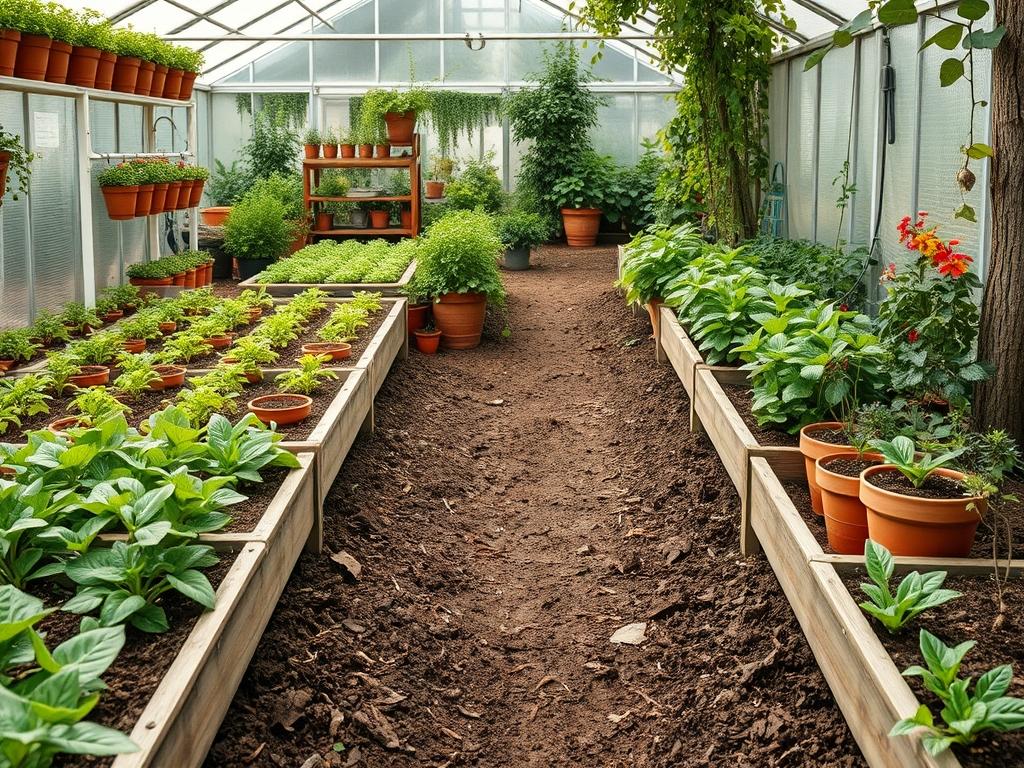
Designing a high-end outdoor environment requires more than a simple aesthetic arrangement of flora and stone; it demands a deep understanding of ecological synergy. When we approach a residential site, we view the backyard as a living gallery where functionality meets local biology. A common challenge for homeowners is bridging the gap between a manicured landscape and a thriving wildlife habitat. This is where the technical application of Backyard Bird Seed Selection becomes a critical design element. Instead of treating bird feeding as an afterthought, we integrate it into the initial master plan to ensure it enhances curb appeal rather than detracting from it. By aligning bird attractants with specific climate considerations and architectural lines, we create a space that feels both intentional and wild. Effective planning involves analyzing the prevailing winds, sun path, and site drainage to determine where avian activity will be most beneficial for the observer and most comfortable for the visitors.
Landscape Design Principles
Successful landscape architecture relies on the foundational principles of symmetry and focal points. When designing for avian activity, we use feeders and water features as secondary focal points that draw the eye through the property. We often utilize a rhythmic placement of shrubs to create a visual “flight path” for birds, which also provides a sense of structured order for the human eye. Elevation layering is another vital technique. We design in vertical tiers, starting with ground-cover plants, moving to mid-story perennials, and concluding with a high-reaching canopy. This mimics natural forest edges and maximizes the diversity of species your backyard can support.
Visual balance is achieved by grounding bird stations with heavy materials such as natural stone or wrought iron. We avoid placing feeding stations in the middle of a barren lawn; instead, we tuck them into the “softscape” where they are framed by foliage. Modern irrigation planning must also account for these areas. We ensure that drip irrigation lines are routed near bird baths to facilitate easy refilling and to keep surrounding pollinator plants hydrated without creating surface runoff. Walkways made of decomposed granite or flagstone provide clean access to these stations, ensuring the landscape remains functional even during wet seasons.
Plant and Material Selection
The following selection of plants and materials is designed to complement your Backyard Bird Seed Selection strategy by providing natural forage, nesting sites, and aesthetic structure.
| Plant Type | Sun Exposure | Soil Needs | Water Demand | Growth Speed | Maintenance Level |
| :— | :— | :— | :— | :— | :— |
| Purple Coneflower | Full Sun | Well-drained | Low | Moderate | Low |
| American Elderberry | Full to Partial | Moist, Rich | High | Fast | Medium |
| Switchgrass | Full Sun | Sandy to Clay | Low | Fast | Low |
| Sunflowers (Mammoth) | Full Sun | Neutral PH | Moderate | Very Fast | Medium |
| Serviceberry | Full to Partial | Loamy | Moderate | Slow to Moderate | Low |
| Black-Eyed Susan | Full Sun | Average | Low | Fast | Low |
Implementation Strategy
The transition from a design concept to a physical landscape begins with rigorous site preparation. We start with grading to ensure that the land slopes away from the home at a minimum two percent grade. This prevents water from pooling around the foundations of bird stations or heavy retaining walls. Once the grade is established, we delineate the beds using 14-gauge steel edging to create a sharp, professional finish that prevents grass encroachment.
Proper drainage is non-negotiable. For areas intended for high bird traffic, we often install French drains or gravel sumps beneath water features to handle overspill. When it comes to the planting phase, we utilize a three-inch layer of shredded hardwood mulch to suppress weeds and retain moisture. This mulch also provides a soft landing and foraging area for ground-feeding birds. For the placement of bird seed stations, we recommend using powder-coated steel poles set in concrete footings to ensure stability against wind and climbing pests. The Backyard Bird Seed Selection should be housed in feeders that match the architectural style of the home, whether it be contemporary brushed aluminum or traditional cedar.
Common Landscaping Failures
One of the most frequent errors in residential landscaping is the overcrowding of root systems. Designers often plant for immediate “fullness” without considering the mature spread of a species. This leads to poor air circulation, which can promote fungal growth on both the plants and any nearby bird seed. Soil compaction is another silent killer; heavy foot traffic around bird feeders can crush soil pores, suffocating the roots of nearby native plants and causing water to sheet off the surface rather than soaking in.
Irrigation inefficiencies also plague many DIY projects. Over-watering can lead to “wet feet” for sensitive species like lavender or coneflowers, while under-watering in high-traffic avian zones can turn a lush garden into a dusty lot. Furthermore, failing to account for drainage in the “seed drop zone” under a feeder can lead to a fermenting mess of old hulls and damp earth. We solve this by installing a pea gravel or crushed stone apron beneath feeders to allow for easy cleaning and high-speed drainage.
Seasonal Maintenance
Landscape management is a year-round commitment that shifts with the biological needs of the environment. In the spring, the focus is on cleanup and rejuvenation. This is the time to prune winter-damaged branches and refresh the hardwood mulch layers. We also recommend clearing out any old seed from the winter to prevent the spread of avian diseases. As summer arrives, deadheading spent blooms on perennials will encourage a second wave of flowers, providing more natural nectar to complement your Backyard Bird Seed Selection.
During autumn, we take a “leave it alone” approach to certain areas. We suggest leaving the seed heads on plants like Black-Eyed Susans and ornamental grasses to provide natural winter forage. Winter is the time for structural maintenance. While the plants are dormant, we inspect retaining walls, paver walkways, and irrigation controllers. We also shift the food supply to high-fat options like suet or black oil sunflower seeds to help local birds maintain their body temperature during the coldest months. Consistent maintenance ensures that your outdoor environment remains a high-performing asset rather than a declining liability.
Professional Landscaping FAQ
How do I prevent squirrels from raiding my landscape feeders?
Install specialized baffles on poles at least five feet above the ground. Ensure feeders are placed ten feet away from jumping points like trees or porch railings. Using safflower seed also discourages squirrels as it has a bitter taste to mammals.
What is the best way to manage bird seed hulls on a lawn?
Choose “no-waste” seed mixes that consist of pre-shelled hearts. If using standard seeds, install a low-profile tray beneath the feeder or create a mulched island around the station to catch and compost the organic debris naturally.
Will bird droppings damage my stone walkways or patio?
High acidity in droppings can etch some natural stones like limestone or marble over time. We recommend sealing stone surfaces with a high-quality penetrative sealer and placing feeding stations over turf or mulched beds rather than directly over hardscaping.
How can I attract specific colorful birds to my new landscape?
Research the specific dietary needs of your target species. For example, Nyjer seed in mesh feeders attracts goldfinches, while oranges and nectar attract orioles. Planting native berry-producing shrubs like winterberry provides an additional year-round draw for cedar waxwings.
Does irrigation water affect the quality of bird seed in feeders?
Direct spray from oscillating sprinklers can soak seed, leading to rapid mold growth and clumping. Adjust your irrigation nozzles to spray away from feeding stations, or utilize sub-surface drip tubing to keep water strictly at the root zone and away from feeders.