
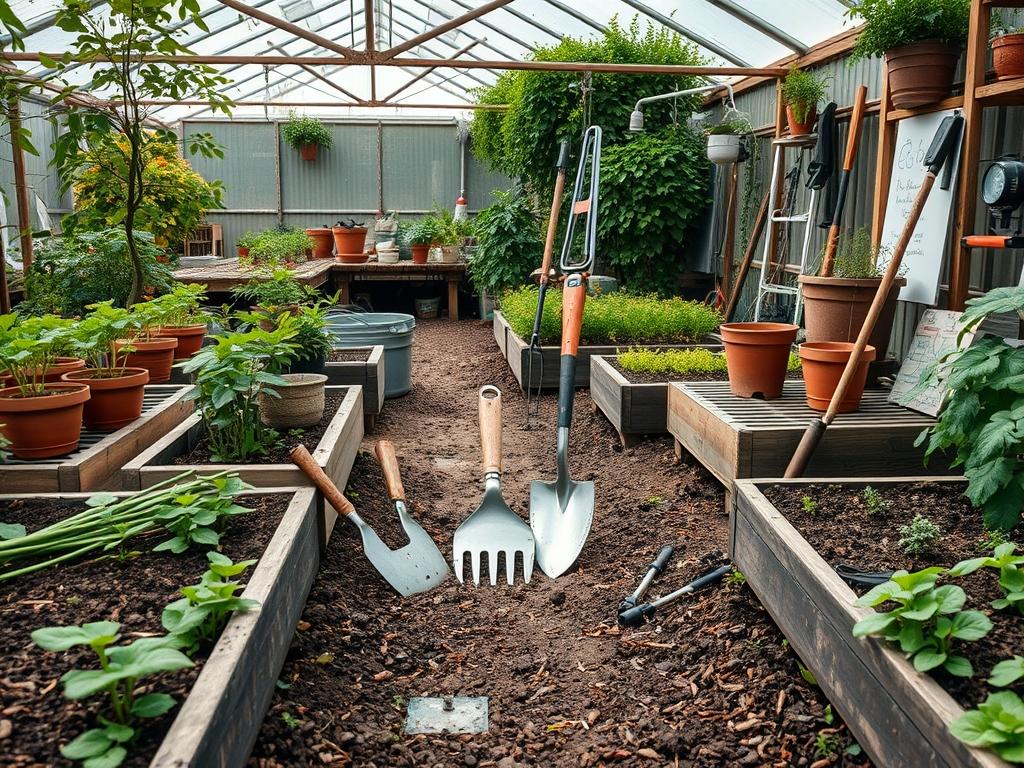
Developing a high performance landscape requires more than just an aesthetic eye; it demands an operational efficiency that many homeowners overlook during the initial design phase. A backyard often functions as a living machine, where the health of the soil, the precision of the irrigation, and the vitality of the plant life depend on the regular intervention of the gardener. When tools are scattered or poorly maintained, the cadence of landscape upkeep is broken, leading to delayed pruning, missed fertilization windows, and a general decline in curb appeal. Effective Backyard Tool Organization is the silent engine of a pristine outdoor environment. It ensures that the transition from a vision on a blueprint to the physical labor of planting is seamless and orderly. By treating the storage area as a primary architectural element rather than an afterthought, you protect your investment in power mowers, hand trowels, and bypass pruners while maintaining the visual integrity of the property.
Climate considerations play a significant role in how we architect these storage solutions. In humid regions, moisture is the enemy of carbon steel, requiring ventilated sheds or climate controlled lockers to prevent rust. In arid environments, UV degradation can brittle plastic handles and rubber hoses within a single season. A professional landscape consultant views the storage of shovels, rakes, and post hole diggers as an extension of the home’s infrastructure. It is not merely about hiding clutter. It is about creating a workflow that respects the physical demands of different gardening seasons. By integrating organization into the master plan, we ensure that the mulch stays in the beds and the tools remain ready for action, ultimately enhancing the functionality and market value of the estate.
Landscape Design Principles
In the realm of professional landscape consultancy, we apply the same rigorous design principles to utility areas as we do to formal gardens. Symmetry and visual balance are essential when positioning tool storage structures. A shed should never feel like an intrusion. It should act as a secondary focal point or be cleverly screened by evergreen hedges to maintain a cohesive site line. We often utilize elevation layers to separate the active work zone from the leisure zone. For example, placing a tool cabinet on a slightly raised concrete pad prevents water pooling and provides a clear physical boundary between the garden path and the maintenance area.
The planning of walkways is equally critical. A tool storage area must be accessible via a path that is at least 36 inches wide to accommodate wheelbarrows or motorized carts. We look at the “golden triangle” of the backyard, ensuring the distance between the tool source, the water supply, and the primary planting beds is minimized. Irrigation planning must account for these structures to ensure that sprinkler heads do not spray directly onto wooden storage doors or metal siding. By creating a logical flow, the landscape architect reduces the friction of maintenance, making it easier for the homeowner to perform the frequent tasks required for a flourishing garden.
Plant and Material Selection
Selecting the right greenery to surround and screen your tool organization area requires a balance of aesthetics and toughness. These plants often face higher foot traffic and occasional contact with heavy equipment.
| Plant Type | Sun Exposure | Soil Needs | Water Demand | Growth Speed | Maintenance Level |
| :— | :— | :— | :— | :— | :— |
| Buxus microphylla | Full Sun to Part Shade | Well Drained | Moderate | Slow | Medium |
| Panicum virgatum | Full Sun | Adaptable | Low | Fast | Low |
| Ilex glabra | Full Sun to Shade | Acidic / Moist | Moderate | Medium | Low |
| Taxus baccata | Part Shade to Shade | Neutral | Low | Slow | High |
| Lonicera nitida | Full Sun to Part Shade | Loamy | Moderate | Fast | Medium |
| Cortaderia selloana | Full Sun | Well Drained | Low | Very Fast | Low |
Implementation Strategy
Implementing a professional grade garden layout begins with proper grading. Before any storage unit is placed, the land must be leveled and pitched at a 2 percent slope away from the foundation to ensure adequate drainage. We recommend a base of compacted crushed stone or a poured concrete slab to prevent the structure from sinking over time. Once the foundation is set, the installation of edging materials like powder coated steel or tumbled Belgian block creates a clean transition between the utility zone and the surrounding mulch or turf.
The interior organization should follow a vertical logic. Use slatwall systems or heavy duty pegboards to get leaf rakes and string trimmers off the floor. This prevents the accumulation of debris and makes it easier to sweep the area. For smaller hand tools like transplanters and cultivators, magnetic strips provide an immediate, visible storage solution. If space allows, a potting bench constructed from cedar or pressure treated lumber serves as a centralized hub for tasks like seed starting or tool cleaning. Finally, ensure that the mulch depth around the exterior of the storage area is maintained at 3 inches to suppress weeds and maintain a finished look that matches the rest of the professional landscape.
Common Landscaping Failures
The most frequent failure in backyard organization is the neglect of drainage. When a shed or tool box is placed at the bottom of a slope without a French drain or catch basin, it becomes an island in a swamp during the rainy season. This leads to wood rot and tool corrosion. Another common mistake is root overcrowding near the storage foundation. Planting large-canopy trees too close to a utility building can lead to structural damage as roots heave the ground or branches drop debris on the roof.
We also see many homeowners suffer from soil compaction in the areas leading to their tool storage. Constant foot traffic on bare earth destroys the soil structure, leading to muddy paths and poor plant health nearby. To avoid this, always install a defined hardscape path using pavers or decomposed granite. Lastly, irrigation inefficiencies occur when homeowners fail to adjust their automatic timers or drip lines to account for the physical barrier of a new storage shed, resulting in “shadow zones” where plants receive no water or “saturation zones” where water hits the wall and splashes back.
Seasonal Maintenance
Landscape management is a year round commitment that shifts with the thermometer. In the Spring, the focus is on a total inventory of the tool organization system. This is the time to sharpen mower blades, oil loppers, and check the integrity of garden hoses. Inspect the grading around your storage area for any winter erosion and refresh the pine bark mulch.
As Summer arrives, the priority shifts to accessibility. Keep weeding tools and harvesting baskets at the front of your storage unit for daily use. Ensure that irrigation controllers are easily accessible for quick adjustments during heat waves. In the Autumn, the focus turns to leaf management and winterization. Clean your blowers and rakes before their high use season. This is also the time to apply a fresh coat of sealant to any outdoor wooden furniture or tool sheds. Finally, during Winter, protect your investment by draining all hoses and sprinkling systems to prevent freeze damage. Store your gasoline powered tools with a fuel stabilizer and move liquid fertilizers or pesticides to a frost free location to maintain their chemical efficacy.
Professional Landscaping FAQ
How do I prevent my garden tools from rusting in a shed?
Ensure the shed has adequate ventilation to reduce humidity. Wipe metal surfaces with mineral oil after each use. Store tools vertically on wall racks to keep them away from ground moisture and promote airflow around the blades.
What is the best base for a backyard tool shed?
A poured concrete pad offers the most stability and longevity. For a more permeable option, use a six inch layer of compacted 3/4 inch crushed stone inside a timber frame to allow for excellent drainage.
How far should I plant shrubs from my tool storage?
Maintain a minimum of 24 inches of clearance between the building and any mature shrubbery. This allows for air circulation to prevent rot and provides enough space for you to perform exterior maintenance on the structure.
Is it better to store long handled tools heads up or heads down?
Store them with the heads facing up. This prevents the working ends from being damaged by the floor and makes it easier to identify the specific rake or hoe you need at a glance from across the yard.
How can I hide my tool area without sacrificing accessibility?
Use a combination of lattice panels and climbing vines like Clematis or Star Jasmine. These create a soft visual screen while allowing for a wide, unobstructed opening for you to move large equipment in and out.