
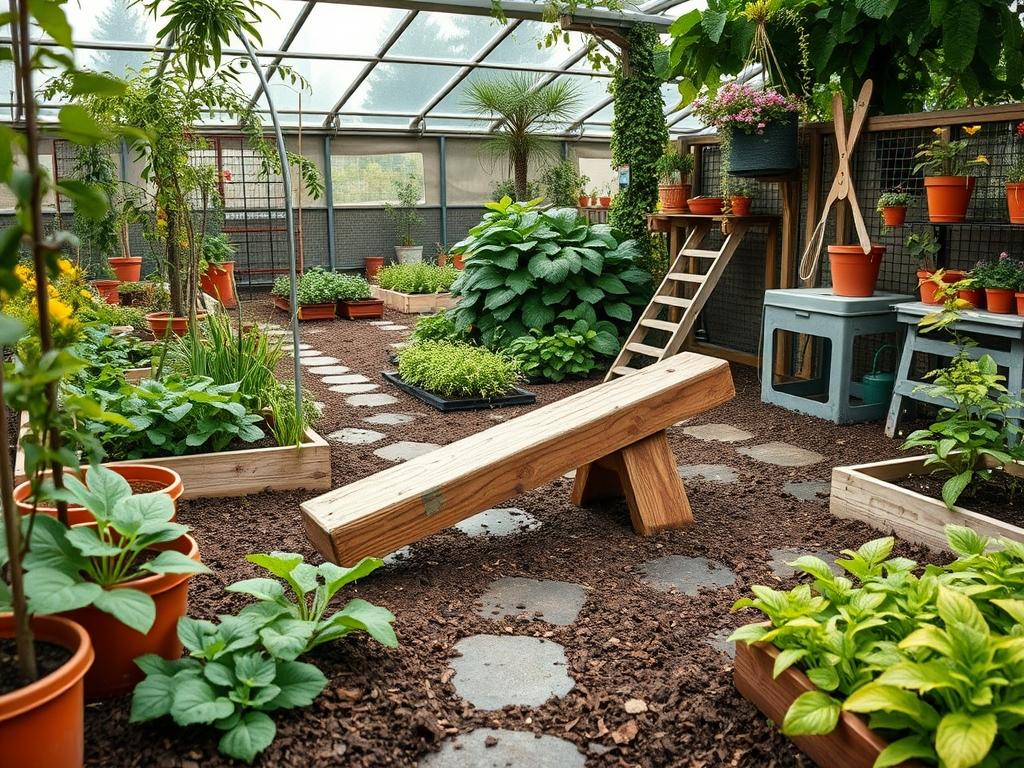
Integrating play equipment into a professional landscape design requires a delicate balance between aesthetic cohesion and rigorous safety standards. When a landscape architect approaches the installation of a seesaw, the primary challenge involves reconciling the equipment’s functional footprint with the surrounding garden’s visual flow. From a curb appeal perspective, a play area should feel like an intentional component of the outdoor living space rather than an afterthought. This is achieved through thoughtful site selection, climate-appropriate material choices, and the use of natural screening. Whether the property experiences heavy seasonal rainfall or intense summer heat, the installation must account for soil stability and drainage to remain secure. Utilizing professional Backyard Seesaw Safety Tips ensures the structure remains a safe focal point for years to come while enhancing the overall functionality of the backyard environment.
Landscape Design Principles
Successful garden planning starts with the concept of the Use Zone, which is the unobstructed space surrounding the equipment where a child might land if they fall. For a seesaw, this zone typically extends at least six feet in every direction from the perimeter of the apparatus. To maintain visual balance, this fall zone can be integrated into the landscape using symmetry and focal points. Rather than placing the seesaw in the dead center of a lawn, consider placing it as a terminus to a walkway or within a dedicated play nook framed by elevation layers.
Elevation plays a critical role in both safety and drainage. A perfectly level site is essential for the seesaw’s central pivot point to function correctly without putting undue stress on the hardware. If the backyard has a natural slope, a small Retaining Wall may be necessary to create a level terrace. This architectural element provides an opportunity to use decorative stone or timber that matches the existing hardscaping. Additionally, irrigation planning must ensure that sprinklers do not spray directly onto the equipment, as constant moisture can lead to wood rot or metal corrosion. Walkways leading to the play area should be composed of slip-resistant materials like Decomposed Granite or Flagstone to ensure safe access even in damp conditions.
Plant and Material Selection
The materials used beneath and around the seesaw are the most vital components of the installation. A professional grade impact-attenuating surface is required to absorb the energy of a fall. Common choices include Engineered Wood Fiber (EWF), which knits together to form a firm yet bouncy surface, or Rubber Mulch, which offers superior longevity. Surrounding the area with native plants can soften the transition between the play zone and the rest of the garden.
| Plant or Material Type | Sun Exposure | Soil Needs | Water Demand | Growth Speed | Maintenance Level |
|———————–|————–|————|————–|————–|——————-|
| EWF Mulch | Full Sun/Shade | Level Base | N/A | N/A | Moderate (Refill) |
| Rubber Mulch | Full Sun | Level Base | N/A | N/A | Low |
| Boxwood (Buxus) | Full to Part | Well Drained | Moderate | Slow | Moderate (Pruning) |
| Lavender | Full Sun | Sandy/Lean | Low | Moderate | Low |
| Daylily | Full to Part | Adaptable | Moderate | Fast | Low |
| Fescue Grass | Full to Part | Loamy | Moderate | Fast | High (Mowing) |
When selecting plants for the perimeter, avoid any species with thorns, toxic berries, or brittle branches that might snap. Boxwoods provide a structured, evergreen border that defines the space, while Lavender adds a sensory element with its fragrance and attracts beneficial pollinators away from the immediate play path.
Implementation Strategy
The first step in a professional installation involves site grading. Use a Laser Level to identify the high and low spots. You must clear all sod and organic debris, excavating the area to a depth of at least 12 inches to accommodate the safety surfacing. After excavation, install a layer of Geotextile Fabric to prevent the soil from mixing with your mulch while allowing water to pass through into the sub-grade.
Next, focus on the anchoring system. For a permanent installation, dig holes for the seesaw’s central supports that reach below the local frost line. Fill these with Concrete, ensuring the metal anchors are perfectly plumb. Once the concrete cures, you can assemble the seesaw frame. Before adding the safety surfacing, install a sturdy Landscape Edging made of Pressure-Treated Timber or Heavy-Duty Plastic to contain the mulch. The Mulch depth should be maintained at a minimum of 9 to 12 inches to meet safety ratings for a typical seesaw height. Finally, check that all bolts are tightened and that the seats have appropriate handle grips. Adding rubber “bumpers” or tires partially buried in the ground beneath the seats can provide a secondary level of impact protection for the spine and tailbone.
Common Landscaping Failures
One of the most frequent errors in backyard planning is improper drainage. If the play pit is located at a low point in the yard without an exit path for water, it becomes a muddy sump. This trapped moisture rots wooden seesaw posts and creates a breeding ground for insects. Another common failure is root overcrowding. Planting large canopy trees too close to the seesaw might provide shade, but as the roots grow, they can heave the ground and destabilize the concrete footings.
Soil compaction is another overlooked issue. Constant foot traffic around the play area packs the dirt so tightly that it loses its ability to absorb water, leading to surface runoff and erosion. This is why a thick layer of mulch is not just a safety feature but a landscaping necessity. Additionally, irrigation inefficiencies, such as having a spray head located inside the fall zone, will cause the wood fiber to break down prematurely and may cause metal components to rust from the inside out.
Seasonal Maintenance
To ensure long term safety and aesthetic appeal, the landscape around the play area requires seasonal attention. In the spring, inspect the seesaw for any hardware fatigue or splinters. This is also the time to refresh the Mulch levels, as organic wood fiber will decompose over the winter and lose its impact-absorbing properties. Check the tension on all bolts and apply a Non-Toxic Sealant to any wooden parts to protect them from UV damage.
During the summer, the primary task is weed control within the play pit. Hand-pull any weeds that breach the geotextile layer to avoid using harsh chemicals where children play. In the autumn, clear leaves from the play surface, as decaying leaf litter can make the mulch slippery and accelerate its breakdown. Finally, in the winter, if you live in a climate with heavy snow, consider removing any removable plastic seats or handles and storing them indoors. This prevents the plastic from becoming brittle in the freeze-thaw cycles. For metal seesaws, a light coat of Automotive Wax can act as a barrier against salt and moisture during the coldest months.
Professional Landscaping FAQ
How deep should the safety mulch be for a standard seesaw?
For most residential equipment, you should maintain a depth of at least 9 to 12 inches. This depth accounts for the eventual compression of the material and ensures sufficient shock absorption during a fall.
Can I install a seesaw directly on the grass?
Installing on grass is a common mistake. Grass and dirt do not provide adequate impact protection. Over time, the soil becomes compacted and hard, significantly increasing the risk of injury during a fall.
What is the best way to prevent the seesaw from tipping?
The most secure method is to use Concrete Footings for the central pivot post. These footings should be dug deep enough to sit below the frost line to prevent the ground from shifting the structure.
How do I stop weeds from growing in the play mulch?
The most effective way is to lay down a high-quality Geotextile Fabric before adding your mulch. This barrier prevents weed seeds in the soil from germinating while still allowing for essential water drainage.
What plants are safest to use near a children’s play area?
Focus on non-toxic, soft-textured plants like Ornamental Grasses, Lavender, or Daylilies. Avoid any plants with thorns, such as roses or barberry, and stay away from species with poisonous berries like yew or holly.