
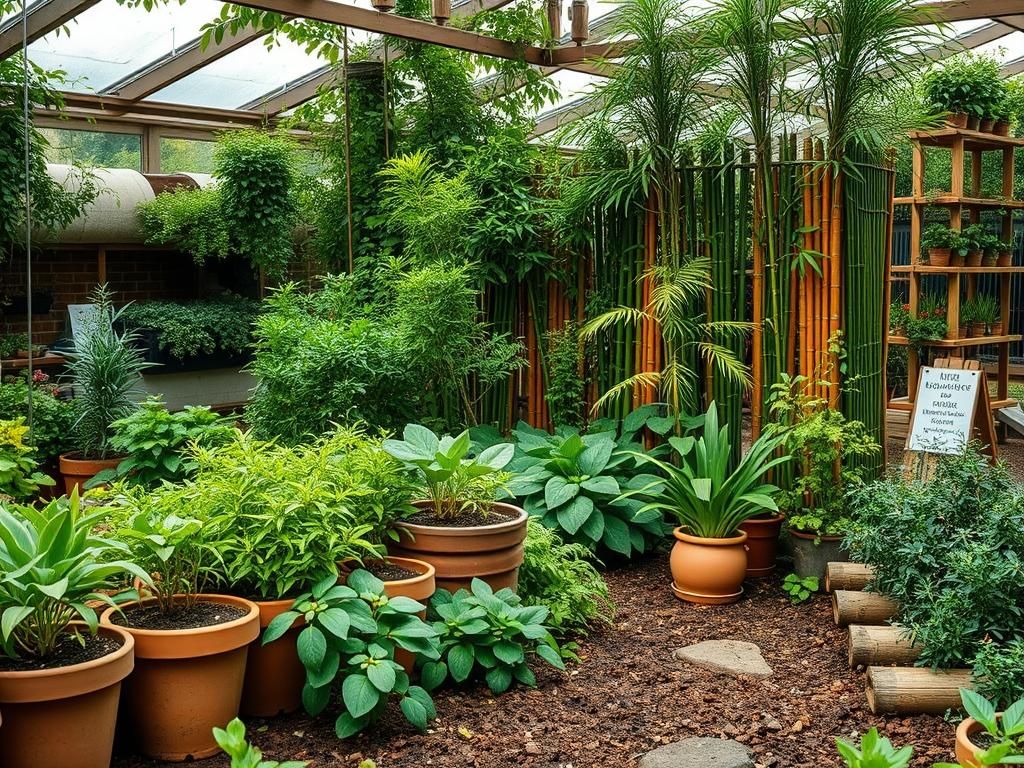
Privacy is often the most significant luxury in modern suburban landscape architecture. Creating a serene perimeter usually involves delicate trade-offs between aesthetic warmth and industrial durability. Backyard Bamboo Fencing Kits have emerged as a premier solution for homeowners and designers seeking to soften hard boundaries while maintaining a high level of privacy. Unlike traditional pressure-treated wood or stark vinyl, bamboo offers a unique, ribbed texture that interacts dynamically with shifting natural light throughout the day. From a professional landscaping perspective, these kits solve the immediate problem of visual eyesores, such as rusted chain-link fences or direct views into neighboring properties. They provide an instant organic upgrade that complements both minimalist Zen gardens and lush, tropical backyard retreats. Furthermore, bamboo is a sustainable resource with a rapid growth cycle, making it an environmentally responsible choice for large-scale screening projects.
Achieving a professional finish with these kits requires more than just unrolling a bundle of poles. Successful integration into the outdoor environment demands a deep understanding of site conditions, including wind load, soil moisture levels, and the existing architectural style of the home. A well-planned installation serves as a backdrop for the rest of the landscape, providing a neutral but textured canvas that makes the colors of ornamental plants pop. Whether you are aiming for a full 6-foot privacy screen or a decorative 3-foot garden border, the choice of material and the precision of the installation will dictate the longevity and curb appeal of the project. By focusing on structural integrity and thoughtful plant pairings, a simple fencing kit can be transformed into a high-end architectural feature that increases property value and enhances outdoor livability.
Landscape Design Principles
In professional landscape design, symmetry and focal points act as the foundation for any successful backyard renovation. When installing Backyard Bamboo Fencing Kits, it is vital to consider how the verticality of the bamboo poles will influence the perceived size of the space. Vertical lines draw the eye upward, which can make a small, enclosed courtyard feel significantly larger. Conversely, in a sprawling estate, these fences can be used to create define “outdoor rooms,” such as a private meditation corner or a hidden dining area. Visual balance is achieved by grounding these tall vertical elements with lower elevation layers, such as stone retaining walls or clipped evergreen hedges at the base.
Irrigation planning is another critical design principle that many DIY installers overlook. Bamboo is a natural grass and, while durable, it is susceptible to rot if it is constantly subjected to overspray from automated sprinkler heads. Designers must plan the placement of buried PVC pipes and drip irrigation lines to ensure that water is delivered directly to the root zones of nearby plants rather than the fence itself. Additionally, the principle of movement should be considered; bamboo filters wind rather than blocking it entirely. This reduces the “wind tunnel” effect common with solid fences and allows for a gentle rustle that adds an auditory dimension to the garden experience.
Walkway placement and the rule of thirds also play a role in how a fence is perceived. A gravel path or a series of flagstone pavers should ideally lead the eye toward a gate or a specific section of the fence that features a unique specimen plant, such as a Japanese Maple. This creates a sense of journey and purpose. By aligning the fence panels with the natural contours of the land, rather than forcing a perfectly straight line on a sloped grade, the installation feels integrated into the earth rather than imposed upon it.
Plant and Material Selection
| Plant or Material Type | Sun Exposure | Soil Needs | Water Demand | Growth Speed | Maintenance Level |
| :— | :— | :— | :— | :— | :— |
| Japanese Maple | Partial Shade | Well-draining, Acidic | Moderate | Slow | Medium |
| Boxwood Shrub | Full Sun to Shade | Loamy, Neutral | Moderate | Slow to Medium | Low |
| Nandina Domestica | Full Sun to Part Shade | Moist but Drained | Low to Moderate | Fast | Low |
| Pachysandra | Full Shade | Acidic, Rich | Moderate | Fast | Low |
| Hostas | Shade | Moist, Fertile | High | Medium | Medium |
| Black Mondo Grass | Full Sun to Part Shade | Moist, Well-drained | Moderate | Slow | Low |
| Copper Post Caps | N/A (Material) | N/A | N/A | N/A | Low |
| Stainless Steel Ties | N/A (Material) | N/A | N/A | N/A | Very Low |
Implementation Strategy
The successful implementation of Backyard Bamboo Fencing Kits begins with meticulous site preparation. First, you must evaluate the grading of the land. Use a level and a string line to determine if the ground is even. If there is a significant slope, you should plan to “step” the fence panels rather than angling them, as this maintains the vertical integrity of the bamboo poles. Once the line is marked, clear all debris and vegetation from the installation path. If the fence is being attached to an existing structure, inspect the old posts for stability; if you are starting from scratch, use a post-hole digger to create holes at least 24 inches deep to ensure the support structure can withstand high winds.
For a standalone installation, set pressure-treated 4×4 posts every 6 to 8 feet. These posts should be anchored in quick-set concrete. Once the skeleton of the fence is in place, install horizontal 2×4 wood stringers at the top and bottom of the posts. This provides a solid frame to which the bamboo can be attached. When unrolling the bamboo, it is helpful to place a 1-inch thick pressure-treated board on the ground temporarily to serve as a spacer. This keeps the bamboo from touching the damp soil directly, which is the most common cause of premature decay.
Secure the bamboo panels to the wooden stringers using galvanized steel wire or exterior-grade screws. If using screws, always pre-drill the bamboo to prevent the poles from splitting. The fasteners should be placed every 12 inches along the horizontal rails. Once the panels are secured, apply a high-quality UV-resistant wood sealer to the bamboo. This will prevent the natural tan color from fading into a weathered grey over time. Finally, finish the base of the fence with a 3-inch layer of cedar mulch or decorative river stones to help with drainage and to create a clean, professional edge.
Common Landscaping Failures
One of the most frequent mistakes in backyard fencing is improper drainage management. When water pools at the base of a bamboo fence, the porous fibers of the grass act like a wick, pulling moisture upward and inviting mold and fungal growth. To avoid this, ensure the area is graded so that water flows away from the fence line. If the fence is located at the bottom of a hill, consider installing a French drain consisting of a perforated pipe and 3/4-inch crushed stone to divert runoff before it reaches the structure.
Root overcrowding is another issue that can compromise the visual and physical integrity of the fence. Homeowners often plant aggressive species too close to the bamboo panels. Over time, the expanding root systems of trees can heave the fence posts out of alignment, causing the fence to lean or buckle. Proper spacing is essential; large shrubs should be planted at least 3 feet away from the fence line. Additionally, soil compaction during the construction phase can lead to “hot spots” where plants struggle to grow. Always aerate the soil and mix in organic compost before the final planting phase to ensure a healthy, lush border that complements the bamboo.
Seasonal Maintenance
Seasonal care is vital for preserving the structural integrity and aesthetic of Backyard Bamboo Fencing Kits. In the spring, inspect the fence for any loose stainless steel ties or screws that may have backed out during winter freeze-thaw cycles. This is also the ideal time to wash the bamboo with a mild solution of soapy water to remove accumulated pollen and dust. Follow this cleaning with a fresh coat of sealant if the material appears dull.
During the summer, the primary threat is UV degradation. Intense sun can cause bamboo to become brittle and crack. Ensure that nearby foliage provides some intermittent shade, and check the moisture levels of the soil surrounding the posts. In autumn, the focus shifts to debris management. Fallen leaves can trap moisture against the base of the fence, so use a leaf blower or rake to keep the area clear. Finally, in winter, remove heavy snow accumulation from the top of the fence panels to prevent the wood frame from sagging under the weight. Regular structural checks during the coldest months will identify any leaning issues before they become permanent.
Professional Landscaping FAQ
How long do Backyard Bamboo Fencing Kits typically last?
With proper installation and annual sealing, a high-quality bamboo fence can last between 10 and 15 years. Keeping the poles off the direct ground and using UV-resistant coats significantly extends their lifespan in humid or rainy climates.
Can bamboo fencing be installed on a slope?
Yes, but it should be installed using a stepping method. Instead of following the angle of the hill, panels are installed in level sections at varying heights. This maintains the vertical aesthetic and ensures the bamboo poles remain structurally sound.
Is it necessary to pre-drill holes in bamboo?
Absolutely. Bamboo is a fibrous material that splits easily under the pressure of a driven screw. Using a 1/8-inch drill bit to create pilot holes ensures that the fasteners secure the panels without compromising the integrity of the individual stalks.
What is the best way to clean bamboo fences?
Use a soft-bristle brush and a mixture of water and a gentle biodegradable soap. Avoid using high-pressure power washers, as the extreme force can strip the natural outer waxy layer of the bamboo and cause the fibers to fray or splinter.
Does bamboo fencing attract pests like termites?
Natural bamboo contains silica, which is unappealing to most insects. However, keeping the fence clear of leaf litter and ensuring it does not touch the soil is essential. Applying a borate treatment during the initial installation can provide additional pest resistance.