
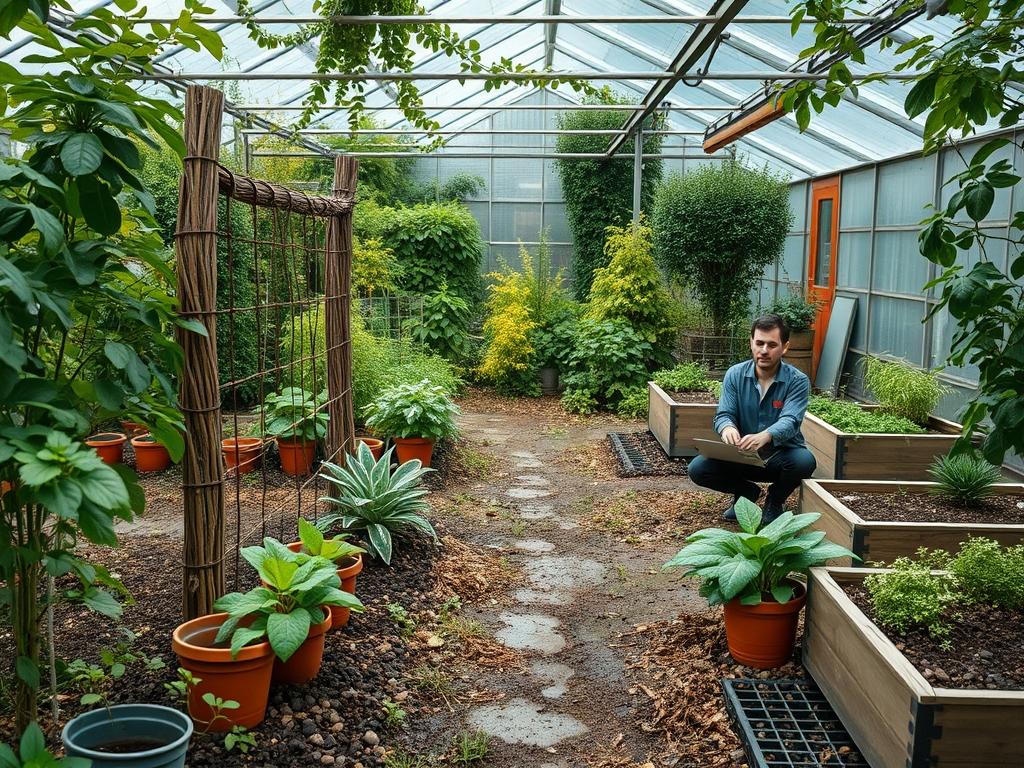
Designing a modern outdoor space requires a delicate balance between structural integrity and organic aesthetics. Homeowners often struggle with the rigid, sterile appearance of standard pressure treated lumber or vinyl fencing, which can feel disconnected from a lush garden environment. Selecting a Backyard Willow Hurdle Fence offers a sophisticated solution to this dilemma. It provides a tactile, breathable boundary that filters wind rather than blocking it entirely, effectively reducing turbulence in the microclimate of your garden. This ancient technique, modernized for contemporary landscapes, improves curb appeal by introducing a handcrafted, artisanal texture that complements both rustic and minimalist architectural styles. Beyond aesthetics, the functional life of a willow fence depends on careful site analysis, drainage considerations, and an understanding of how natural materials interact with the local climate.
Landscape Design Principles
Integrating a Backyard Willow Hurdle Fence requires more than a simple perimeter installation; it demands an adherence to fundamental design principles such as symmetry, focal points, and elevation layering. In a professional landscape plan, the fence acts as a neutral but textured backdrop. Because willow has a naturally busy pattern, it is essential to balance it with calmer elements. Use wide, sweeping natural stone walkways or expansive lawn areas to ground the visual complexity of the weave.
Elevation layers are critical. A tall hurdle fence can feel imposing if placed on a high grade without tiered plantings. To soften the vertical transition, designers often employ a “stair-step” approach. This involves placing larger deciduous shrubs near the fence, followed by mid-sized perennials, and finally low-lying groundcovers at the edge of the garden beds. This layering creates a sense of depth and prevents the fence from appearing as a flat wall.
Focal points should be strategically placed to draw the eye toward specific garden features, such as a water fountain or a specimen tree. A willow fence can be used to “frame” these views. For instance, a break in the hurdle patterns or the inclusion of a gated archway can signal a transition between different garden “rooms.” Strategic irrigation planning is also a design necessity. Because willow is an organic material, keeping high-pressure sprinkler heads from constantly soaking the panels is vital for longevity. Sub-surface drip irrigation is the preferred method for adjacent plant beds to maintain soil moisture without compromising the wood.
Plant and Material Selection
The success of a willow-focused landscape depends on selecting materials and plants that thrive in the shadow of the structure while providing the necessary contrast in leaf shape and color.
| Plant Type | Sun Exposure | Soil Needs | Water Demand | Growth Speed | Maintenance Level |
| :— | :— | :— | :— | :— | :— |
| English Ivy | Shade to Sun | Adaptable | Moderate | Fast | High |
| Japanese Forest Grass | Partial Shade | Moist/Rich | High | Slow | Low |
| Switchgrass | Full Sun | Well-drained | Low | Moderate | Low |
| Climbing Hydrangea | Shade/Part Sun | Fertile/Moist | Moderate | Slow | Moderate |
| Boxwood | Full to Part Sun | Well-drained | Moderate | Slow | High |
| European Hornbeam | Full Sun | Loamy/Rich | Moderate | Moderate | Moderate |
| Star Jasmine | Full Sun | Well-drained | Moderate | Fast | Moderate |
For the fence itself, materials must be specified with precision. High-quality willow withies, typically harvested from Salix viminalis, provide the best flexibility. The vertical uprights, or zales, should be made of a more rot-resistant wood like sweet chestnut or tanalised softwood to ensure the structural skeleton lasts as long as the woven filler.
Implementation Strategy
The installation of a Backyard Willow Hurdle Fence begins with meticulous site preparation. First, the professional must address grading. The ground must be level or consistently sloped to prevent water from pooling at the base of the fence. Standing water is the primary enemy of willow, as it encourages fungal growth and structural decay. An edging system, perhaps using steel edging or pressure-treated gravel boards, should be installed to keep the bottom of the hurdle panels at least two inches above the soil line.
Once the line is marked using a string line and surveyor stakes, the support posts are installed. These should be set at intervals of exactly six feet to accommodate standard pre-woven panels, or closer if you are weaving in situ. Posts should be buried to a depth of at least two feet, using a post hole auger, and backfilled with dry-pour concrete or compacted aggregate to ensure stability against wind loads.
After the posts are cured, the hurdles are attached. If using pre-made panels, galvanized wire or stainless steel screws are used to secure the vertical end-posts of the hurdles to the main fence posts. If weaving the fence on-site, the willow withies must be soaked for several days to regain flexibility. Weave them in an alternating pattern around the zales, ensuring the ends are tucked inward for a clean finish. Finally, apply a three-inch layer of mulch around the base of the garden beds, being careful to keep the mulch from touching the willow directly. This helps with moisture retention for the plants while allowing the fence to breathe.
Common Landscaping Failures
The most frequent failure in willow fencing projects is the neglect of proper drainage. If a landscape lacks a French drain or proper swales in heavy clay soil, the bottom of the willow panels will wick up moisture. This leads to bottom-up rot within three to four seasons. Another common error is soil compaction during the construction phase. Heavy machinery can crush the pore spaces in the soil, preventing the very plants meant to complement the fence from establishing healthy root systems.
Root overcrowding is a significant concern when planting climbing vines too close to the hurdle. While the aesthetic of a vine-covered fence is desirable, the sheer weight of a mature Wisteria or Trumpet Vine can snap the delicate willow strands. Instead, choose lighter climbers or provide a secondary trellis wire system to take the weight off the hurdle. Finally, many installers forget to account for wind load. While willow is permeable, in high-wind corridors, the posts must be reinforced. Using a wider post diameter or increasing the burial depth is essential to prevent the fence from leaning over time.
Seasonal Maintenance
Landscape management for a Backyard Willow Hurdle Fence changes with the seasons. In the Spring, inspect the posts for any movement caused by the freeze-thaw cycle. Check the tension of the weave and tighten any loose galvanized wires. This is also the time to apply a UV-resistant wood preservative or a mixture of linseed oil and turpentine to the willow to prevent it from becoming brittle.
During the Summer, focus on irrigation management. Ensure that your drip lines are functioning and that no high-volume spray is hitting the fence directly. Prune back any aggressive summer growth from nearby shrubs to maintain a six-inch air gap between the foliage and the fence. This air circulation is vital for preventing mildew.
In Autumn, clear away fallen leaves that have collected at the base of the hurdle. Wet leaf litter trapped against the weave will accelerate rot. This is the ideal time to plant new bulbs or perennials in the foreground of the fence while the soil is still warm.
In Winter, the structural form of the willow fence takes center stage. Since the plants are dormant, the rich browns and oranges of the willow bark provide essential winter interest. Inspect the fence after heavy snowfalls and gently brush off large accumulations to prevent the weight from sagging the horizontal withies.
Professional Landscaping FAQ
How long does a willow hurdle fence typically last?
A well-maintained willow fence lasts between eight to fifteen years. Longevity depends on airflow, ground clearance, and the application of protective oils. Using rot-resistant posts for the main structure significantly extends the functional life of the installation.
Can I grow heavy climbing plants on a willow fence?
Avoid heavy woody climbers like Wisteria. Their weight and thick trunks will eventually crush and break the willow weave. Stick to lighter annuals or delicate perennials zoals Sweet Peas or Clematis, which provide color without compromising structural integrity.
How do I prevent the willow from turning grey?
Willow naturally weathers to a silver-grey color due to UV exposure. To maintain the original warm brown tones, apply a clear wood sealer or refined linseed oil annually. This creates a barrier against the sun and moisture.
Is a willow fence effective as a windbreak?
Yes, it is more effective than a solid wall. Because the weave is slightly permeable, it allows air to pass through slowly. This breaks the wind’s force and prevents the destructive turbulence often found on the leeward side of solid fences.
Does a willow fence require a concrete foundation?
While the panels do not, the support posts should be set in concrete or deep compacted gravel. This ensures the fence remains upright during storms. The willow panels themselves should always remain elevated above the actual ground level.