
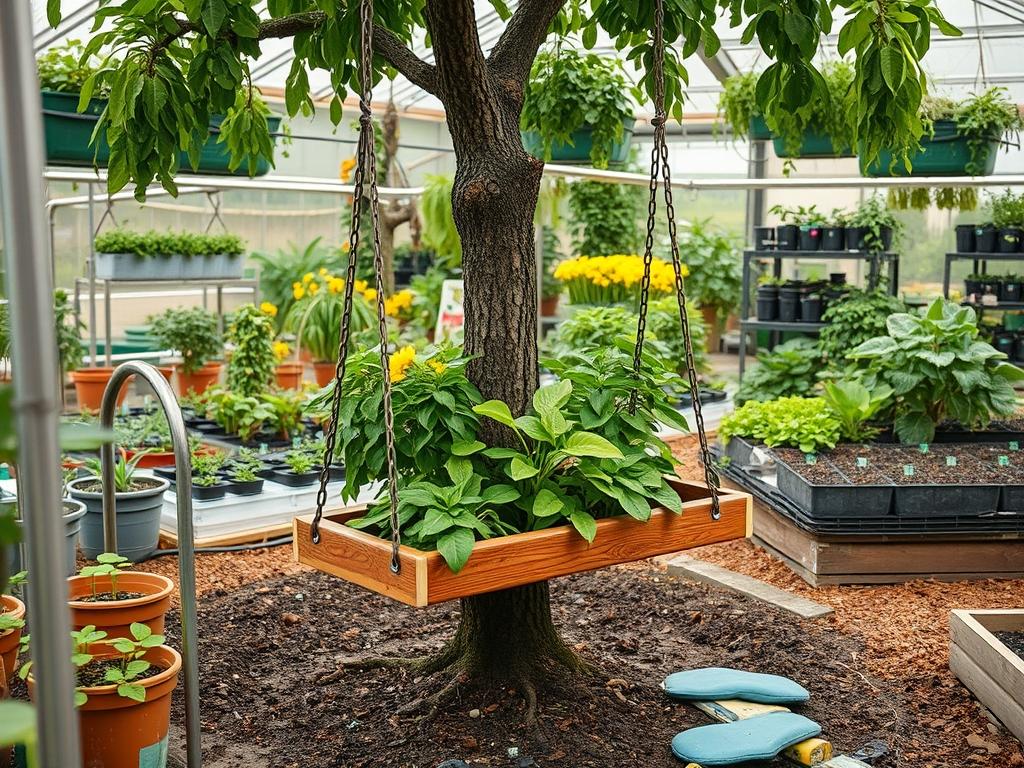
Integrating a tree swing into a sophisticated landscape design requires a careful balance between structural engineering, arboriculture, and aesthetic harmony. While many homeowners view a swing as a simple weekend project, professional consultants recognize it as a dynamic element that interacts with the biological health of the tree and the physical safety of the terrain. The primary challenge lies in selecting a specimen that can withstand the torsional stress of a pendulum motion while ensuring the surrounding environment remains functional and visually appealing. A poorly placed swing can lead to soil compaction, root damage, or even structural failure of the limb, which directly impacts the property value and curb appeal. By considering local climate variables, such as high wind loads or heavy ice accumulation, a designer can create an outdoor living space that prioritizes safety without sacrificing the elegant flow of the garden.
The functional goal of any backyard installation is to enhance the outdoor experience while maintaining the longevity of the natural infrastructure. From a landscape perspective, a swing serves as a secondary focal point that draws the eye toward the canopy, emphasizing the height and maturity of the site’s trees. This elevation adds a vertical dimension to the garden, creating a sense of scale that grounded elements like flower beds and patios cannot achieve on their own. However, safety must be the foundation of this beauty. Practitioners must evaluate the branch diameter, the species of the tree, and the descent area to ensure that the installation adheres to professional standards of secure backyard tree swing safety.
Landscape Design Principles
Successful garden planning relies on the concept of visual balance and the strategic placement of focal points. When a tree swing is introduced, it becomes an anchor for the surrounding landscape. To maintain symmetry, the swing should be positioned so that it does not disrupt the established sightlines of the house or the main garden paths. If the swing is located in a prominent area, the designer might use elevation layers to create a distinct zone for play. For example, a slightly raised or recessed mulch bed can define the fall zone, separating the active play area from more delicate ornamental plantings. This creates a clear boundary that guides movement through the yard, preventing foot traffic from damaging nearby turf or shrubs.
Walking paths should be planned to lead naturally toward the swing, utilizing materials like crushed limestone or flagstone to prevent muddy patches. These paths also serve as a buffer, ensuring that the heavy traffic associated with the swing does not compact the soil directly above the tree’s critical root zone. Irrigation planning is equally vital because the area beneath a swing often undergoes significant wear. Traditional sprinkler heads may be damaged by swinging feet, so deep-run drip irrigation or subsurface systems are preferred. This ensures the tree receives consistent moisture without creating surface puddles that might lead to slipping hazards or fungal growth in the fall zone.
Plant and Material Selection
The following table outlines the best plants and materials for creating a safe, durable, and attractive environment around a backyard tree swing.
| Plant or Material Type | Sun Exposure | Soil Needs | Water Demand | Growth Speed | Maintenance Level |
| :— | :— | :— | :— | :— | :— |
| Engineered Wood Fiber | N/A | Well-drained | Low | N/A | Moderate |
| White Oak | Full Sun | Deep, Loamy | Moderate | Slow | Low |
| Sugar Maple | Partial Shade | Moist, Acidic | High | Moderate | Moderate |
| Creeping Thyme | Full Sun | Sandy, Gritty | Low | Moderate | Low |
| Rubber Mulch | N/A | Any | None | N/A | Low |
| Dwarf Boxwood | Partial Sun | Well-drained | Moderate | Slow | High |
Implementation Strategy
Implementing a secure backyard tree swing safety plan begins with a thorough site analysis. The first step involves grading the area beneath the chosen limb. The ground must be level to provide a consistent landing surface; however, it should also have a slight 2 percent slope away from the tree trunk to facilitate proper drainage. This prevents water from pooling at the base of the tree, which can lead to root rot or unstable footing. Once the grade is established, designers should install a heavy-duty edging material, such as steel landscaping edging or pressure-treated timber, to contain the protective surfacing material.
The next step is the installation of the protective layer. A depth of at least 12 inches of mulch or engineered wood fiber is recommended to absorb impact. Before the mulch is poured, a layer of geotextile fabric should be laid down to prevent weeds from encroaching and to keep the mulch from sinking into the soil. When it comes to the hardware, utilize galvanized steel eye bolts rather than wrapping ropes directly around the branch. Ropes can girdle the tree, cutting off the flow of nutrients through the cambium layer. By drilling a clean hole and using a bolt, the tree can grow around the hardware, which is a much healthier long-term solution for the specimen.
Common Landscaping Failures
One of the most frequent mistakes in backyard swing installation is the disregard for soil compaction. Constant foot traffic in the fall zone compresses the air pockets in the soil, suffocating the roots of the host tree. This often leads to chlorosis or limb dieback, which compromises the safety of the swing over time. Another common failure is improper drainage. If the area beneath the swing is not graded correctly, water will collect in the depressed “scoop” created by swinging feet. This creates a mud pit that is both an eyesore and a safety hazard.
Root overcrowding is another issue that arises when homeowners plant large shrubs too close to the swing’s path. As these plants mature, they can become obstacles that cause injury or interfere with the swing’s arc. Furthermore, many people fail to account for the growth of the tree itself. Using chains or ropes that wrap tightly around a branch will eventually lead to “strangulation” as the branch expands in diameter. This weakens the structural integrity of the wood, making it prone to snapping under the weight of a rider. Finally, irrigation inefficiency, such as spraying water directly onto the swing’s hardware or the tree’s trunk, can lead to premature rust and fungal decay.
Seasonal Maintenance
Managing a landscape with a tree swing requires a year-round commitment to both the flora and the equipment. In the spring, the focus should be on arboriculture. This is the time to prune any dead or overlapping branches that might interfere with the swing’s movement. Inspect the bark where the hardware is attached for any signs of sap leakage or insect infestation. As the growing season begins, refresh the mulch levels to ensure the impact zone remains at the appropriate 12 inch depth.
During the summer, the priority shifts to irrigation and soil health. Check the tree for signs of drought stress, as a thirsty tree is more likely to drop limbs. Hand-water the area around the root zone if the weather is particularly dry, but avoid over-saturating the mulch bed. In the autumn, clear away fallen leaves and debris from the fall zone. Debris can hide hazards like rocks or fallen branches and can also trap moisture against the wood fiber, leading to faster decomposition. Winter maintenance involves a rigorous check of all metal components. Freezing temperatures can make plastic seats brittle and can cause metal fatigue in carabiners or swivels. If the swing will not be used during the snowy months, it is often best to remove the seat and store it indoors to prolong its lifespan.
Professional Landscaping FAQ
How far should the swing be from the tree trunk?
A minimum distance of 30 inches from the trunk is required to prevent the rider from colliding with the tree. For larger swings or multiple riders, a distance of 48 inches or more is recommended for optimal safety.
What is the best tree species for a swing?
Hardwoods like Oak, Maple, and Hickory are ideal due to their dense cellular structure and sturdy limbs. Avoid softwoods like Pine or Willow, which have brittle branches that are prone to sudden failure under stress.
How deep should the safety mulch be?
To meet professional safety standards, the mulch should be maintained at a depth of 12 inches. This depth provides sufficient cushioning to protect against head injuries for falls from heights of up to 8 feet.
Can I use a rope instead of a chain?
Yes, but you must use UV-resistant polyester rope or static climbing rope. Natural fibers like manila rot quickly when exposed to the elements, whereas high-quality synthetic ropes offer superior tensile strength and durability in outdoor environments.
How often should I inspect the hardware?
A thorough inspection should be conducted every 3 months. Look for signs of rust on galvanized bolts, fraying on ropes, or widening of the attachment holes in the tree. Hardware should be replaced immediately if any wear is detected.