
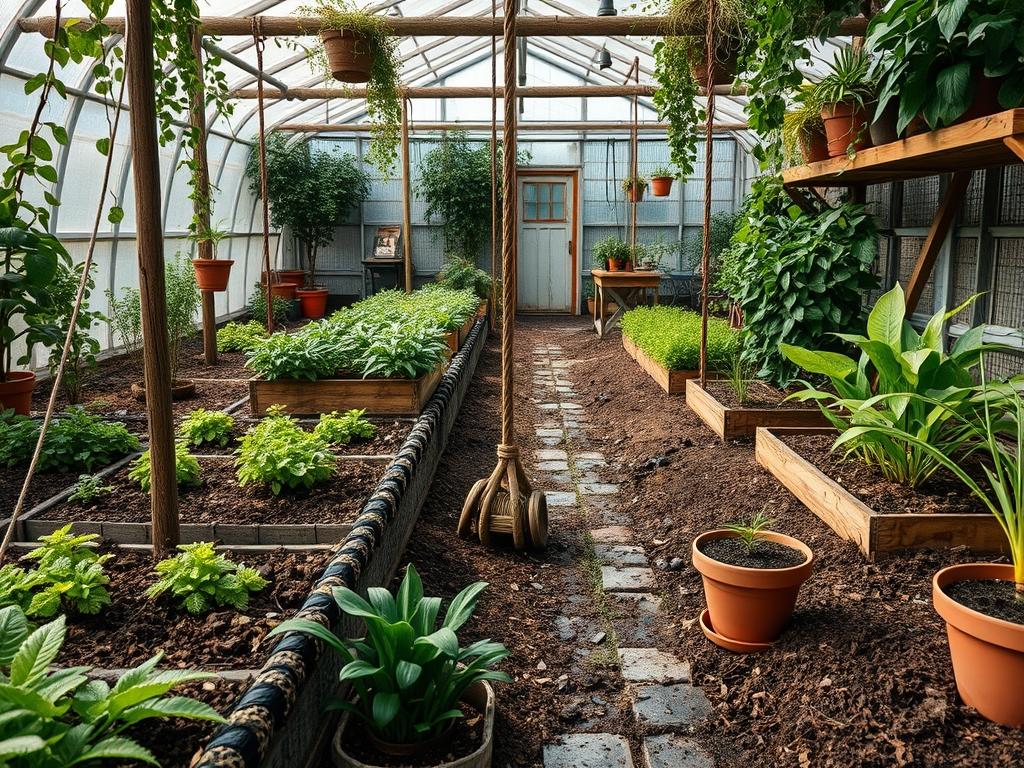
Designing a residential landscape requires a delicate balance between aesthetic elegance and utilitarian performance. When homeowners decide to integrate recreational elements, specifically those involving vertical movement, the architectural challenge shifts from mere visual composition to rigorous safety engineering. Integrating a rope climb or similar apparatus into a garden requires more than just a sturdy limb or a tall post; it demands a comprehensive site analysis that accounts for soil stability, drainage patterns, and the long term health of the surrounding flora. The primary goal is to maintain the property’s curb appeal while ensuring that the functional play zone adheres to Backyard Climbing Rope Safety standards. This involves careful consideration of the fall zone, the impact of foot traffic on root systems, and the visual harmony between the hardware and the softscape.
By treating the climbing area as a dedicated outdoor room, landscape architects can define the space using natural boundaries such as hedgerows or changes in elevation. A well planned installation considers the climate, selecting materials that resist UV degradation and moisture rot while choosing plants that can withstand the occasional stray limb or high energy activity. From a professional standpoint, the success of such a project is measured by its ability to disappear into the landscape when not in use, appearing as a deliberate design focal point rather than a cluttered afterthought.
Landscape Design Principles
Effective landscape design for recreational zones relies on the principle of intentional focal points. A climbing rope naturally draws the eye upward, creating a vertical axis that can be mirrored by tall, columnar trees like Italian Cypress or structured architectural elements like a timber pergola. Symmetry plays a vital role here; by flanking the climbing zone with balanced perennial beds, the equipment feels anchored to the earth. If the rope is suspended from a living tree, that tree becomes the primary focal point of the quadrant. It must be framed correctly with lower elevation layers, such as mid-sized shrubs and groundcovers, to provide a sense of depth and scale.
Elevation and layering are also critical for managing the transition between active and passive zones. Using a retaining wall or a raised timber border can physically separate a high impact landing zone from sensitive garden beds. This change in elevation helps contain the safety surfacing while providing a natural seat for observers. Furthermore, irrigation planning must be handled with precision. Directing sprinkler heads away from the rope and its landing area prevents the development of slippery surfaces and technical failure of the fiber materials. Visual balance is achieved by ensuring that the weight of the climbing structure is offset by dense plantings or hardscaping on the opposite side of the yard, preventing the space from feeling lopsided.
Plant and Material Selection
| Plant Type | Sun Exposure | Soil Needs | Water Demand | Growth Speed | Maintenance Level |
| :— | :— | :— | :— | :— | :— |
| White Oak | Full Sun | Well-drained, acidic | Moderate | Moderate | Low |
| Arborvitae | Full to Partial Sun | Loamy, moist | Moderate | Fast | Low |
| Bermuda Grass | Full Sun | Sandy, well-drained | Low to Moderate | Fast | Moderate |
| Japanese Maple | Partial Shade | Rich, organic | Moderate | Slow | High |
| River Rock | N/A | N/A | N/A | N/A | Very Low |
| Wood Chips | N/A | N/A | N/A | N/A | Moderate |
When selecting plants for the perimeter of a climbing zone, durability is the most important factor. Bermuda Grass provides a resilient turf for transitional areas, while White Oak offers the structural integrity required for high load-bearing activities. For the landing zone itself, materials should be selected based on their impact-attenuation properties rather than visual appeal alone. Engineered wood fiber or shredded rubber mulch are industry standards for Backyard Climbing Rope Safety, providing the necessary cushioning to prevent injuries during a fall.
Implementation Strategy
The first step in executing a garden layout with a climbing rope is precise site grading. The landing area must be perfectly level to prevent ankles from rolling upon impact, yet the surrounding land should slope slightly away (at least a 2% grade) to ensure that water does not pool under the rope. Begin by excavating the fall zone to a depth of 12 inches. This depth allows for a thick layer of compacted gravel at the base for drainage, followed by a geotextile landscape fabric to prevent weeds and soil mixing, and finally the safety mulch.
Once the grading is complete, install a heavy duty steel edging or pressure-treated timber border to contain the safety material. This border defines the zone and prevents mulch from migrating into the lawn or flower beds. If the rope is being attached to a tree, use a cambium saver or a wide polyester sling to protect the bark from friction and girdling. For post-based systems, ensure the pressure-treated 6×6 posts are set in concrete footings at least 36 inches deep, or below the local frost line. Finally, clear a search radius of at least 6 feet around the rope, removing all rocks, stumps, and hard garden ornaments that could pose a hazard.
Common Landscaping Failures
One of the most frequent errors in integrating play equipment is neglecting the long-term impact on soil health. Soil compaction is a major issue in high traffic areas; as people walk and land around the rope, the soil becomes dense, preventing oxygen and water from reaching the roots of nearby trees. This can lead to the slow decline of the very tree supporting the rope. To mitigate this, practitioners should use a thick layer of wood chips to distribute the weight of foot traffic.
Another common failure is poor drainage planning. If the landing zone is at the bottom of a slope without a proper French drain or sub-surface collection system, it will become a muddy bog that ruins the safety surfacing and rots the rope. Overcrowding is also an issue; homeowners often plant screen trees too close to the climbing zone. As these trees mature, their branches interfere with the rope’s arc of motion, creating an entanglement hazard. Irrigation inefficiencies, such as allowing rotor heads to spray directly onto the rope, can lead to the growth of algae and moss, which significantly reduces the grip and structural integrity of the fibers over time.
Seasonal Maintenance
Seasonal care is essential for maintaining both the beauty of the landscape and the integrity of the equipment. In the spring, inspect all galvanized steel hardware for signs of rust or wear. This is also the time to refresh the mulch levels, as safety surfacing tends to settle or decompose over the winter. Prune any deadwood from the supporting tree to ensure that no branches fall on the climber.
During the summer, monitor the moisture levels of the surrounding plants. High activity can stress the turf, so additional aeration might be necessary. In autumn, clear fallen leaves from the safety mulch immediately; decomposing organic matter can create a slippery surface and clog the drainage layers. As winter approaches, it is often best to remove the rope and store it in a dry, climate-controlled environment to protect it from ice and extreme temperature fluctuations. Check the tension on any turnbuckles or bolts to ensure that the winter freeze-thaw cycle hasn’t loosened the structural connections.
Professional Landscaping FAQ
What is the best ground cover for backyard climbing?
Engineered wood fiber is the professional choice for landing zones. It provides superior impact absorption and knitting capabilities compared to standard mulch. Ensure a minimum depth of 9 to 12 inches for maximum Backyard Climbing Rope Safety.
Can I hang a rope climb from any tree?
No, only mature hardwoods like Oak or Maple with healthy, horizontal limbs should be used. A certified arborist should inspect the tree for internal decay, pests, or structural weaknesses before any hardware is installed or weight is applied.
How do I prevent weeds from growing in the mulch zone?
Install a high-quality non-woven geotextile fabric beneath the safety surfacing. This allows water to pass through into the soil while blocking light and preventing weed seeds from taking root in the dirt below the wood chips.
How far should the rope be from other landscape features?
Maintain a clear 6-foot radius in all directions from the rope’s center. This clearance zone should be free of retaining walls, boulders, fences, and brittle shrubs to ensure the safety of the user during a fall or swing.
Will a climbing rope kill my tree?
It shouldn’t if installed correctly. Use tree-friendly straps or cambium savers instead of chains or thin ropes. Avoid heavy traffic directly over the root flare to prevent soil compaction, which is a leading cause of urban tree decline.