
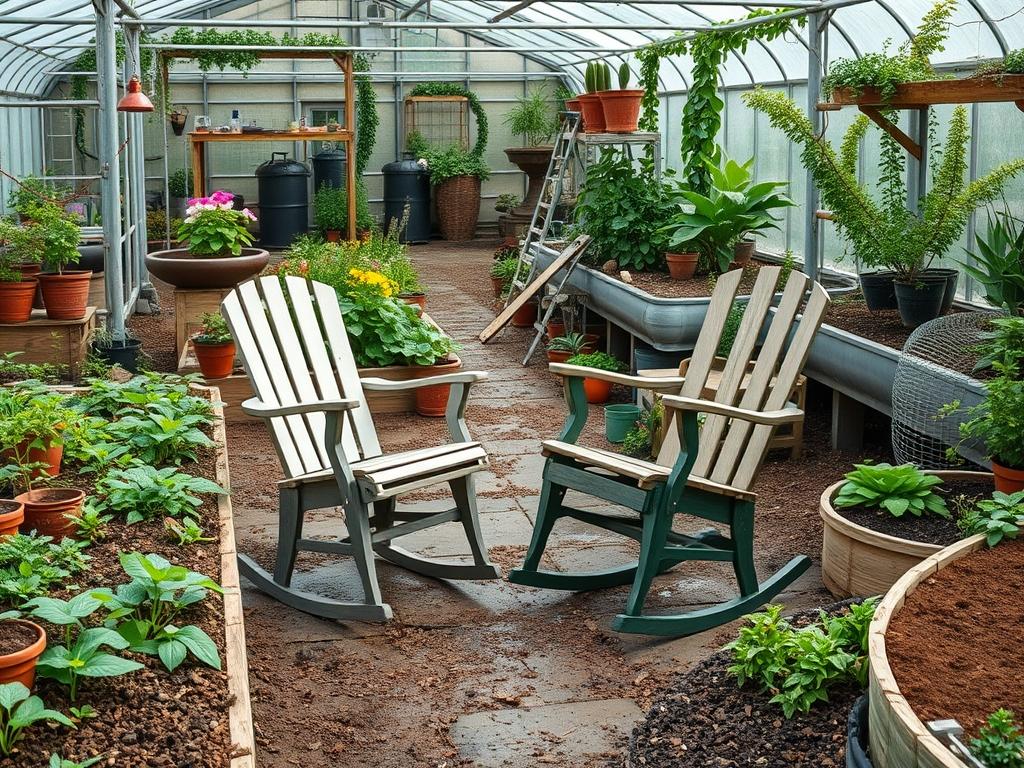
Designing a high performance outdoor environment requires more than just a collection of attractive plants; it demands a synergy between physical architecture and the functional artifacts within the space. When selecting contemporary Backyard Swivel Rocker Styles, a landscape architect must consider the spatial dynamics of rotation. Unlike stationary seating, a swivel rocker creates a dynamic radius of motion that dictates the placement of surrounding plant beds, hardscapes, and lighting fixtures. This movement requires a clear diameter of at least 6 feet per chair to ensure that the user can rotate freely without striking nearby foliage or architectural features. Achieving this balance involves a deep understanding of site grading, material durability, and the psychological impact of a well ordered garden view.
The landscape acts as a frame for the furniture, and the furniture serves as the lens through which the landscape is experienced. A poorly planned seating area can feel exposed or cramped, whereas a strategically placed arrangement of Backyard Swivel Rocker Styles provides a sense of enclosure and purpose. We look at the site through the eyes of an engineer and an artist, ensuring that the ground is perfectly level to prevent the mechanical swivel components from wearing unevenly. If the slope exceeds 2 percent, the internal bearings of the rocker may suffer from premature friction, leading to mechanical failure and a diminished user experience. Therefore, the intersection of furniture selection and landscape preparation is the most critical phase of the design process.
Landscape Design Principles
Effective landscape design relies on the principle of symmetry to create a sense of calm. When placing Backyard Swivel Rocker Styles, we often use a central focal point, such as a stone fire pit or a sculptural water feature, to anchor the arrangement. Symmetry does not mean a mirror image, but rather a balanced distribution of visual weight. If a heavy, high back rocker is placed on the left, a dense grouping of ornamental grasses or a medium sized boulder may be required on the right to maintain equilibrium.
Elevation layers are another essential component. By utilizing retaining walls or raised planters, you can create a tiered effect that provides privacy without the need for high fences. These layers should be designed with the seating height in mind. A swivel rocker usually has a seat height of 18 inches, meaning any adjacent planting beds should be tiered so that the eye naturally travels upward toward the horizon. This prevents the user from feeling “sunken” into the landscape.
Walkways are the circulatory system of the backyard. They must lead the guest toward the seating area with clear intent. Using flagstone or paver stones with a width of at least 36 inches ensures that two people can walk comfortably toward the primary seating zone. The transition from the walkway to the seating area should be seamless, utilizing polymeric sand in the joints to prevent weed growth and provide a stable surface for the heavy bases of modern Backyard Swivel Rocker Styles.
Plant and Material Selection
The materials used in your landscape should complement the finish of your furniture. If your Backyard Swivel Rocker Styles feature powder coated aluminum in charcoal or bronze, the planting palette should include silver toned foliage or deep greens to create a sophisticated, monochromatic look. Below is a selection of plants and materials curated for their compatibility with modern seating environments.
| Plant Type | Sun Exposure | Soil Needs | Water Demand | Growth Speed | Maintenance |
| :— | :— | :— | :— | :— | :— |
| English Lavender | Full Sun | Well Draining | Low | Moderate | Low |
| Boxwood Shrub | Partial Shade | Loamy | Moderate | Slow | Medium |
| Blue Fescue | Full Sun | Sandy/Dry | Low | Moderate | Low |
| Japanese Maple | Partial Shade | Rich/Acidic | Moderate | Slow | High |
| Star Jasmine | Full Sun/Part Shade | Moist | Moderate | Fast | Medium |
| Creeping Thyme | Full Sun | Poor to Average | Low | Fast | Very Low |
In addition to plants, consider hardscape materials like river rock, pea gravel, or decomposed granite. These materials provide excellent drainage around the base of the furniture, preventing the accumulation of moisture that can lead to corrosion or mold on the rocker mechanisms.
Implementation Strategy
Planning the layout begins with a thorough site analysis. Use a laser level or a string level to determine the grade of your patio or deck. If you are building a new space for Backyard Swivel Rocker Styles, excavation should reach a depth of at least 8 inches to allow for a proper sub base. This consists of 4 inches of compacted structural fill followed by 2 inches of bedding sand.
Once the base is prepared, install edge restraints to keep the pavers or stones from shifting over time. For the furniture itself, ensure that the footprint of each rocker is factored into the layout before any permanent features are installed. Mark the “swivel zone” using marking paint on the ground to visualize the full range of motion. This proactive step prevents the frustration of realizing a stone pillar or trough planter is inches too close after the mortar has already set.
Mulch depth is also a factor in the surrounding garden beds. Maintaining a 3-inch depth of hardwood mulch or cedar bark helps retain moisture for the plants while suppressing weeds. However, keep mulch at least 12 inches away from the metal bases of your swivel rockers to prevent organic material from trapping moisture against the furniture frame.
Common Landscaping Failures
The most frequent mistake in backyard design involves improper drainage. If the area beneath your Backyard Swivel Rocker Styles is not properly graded, water will pool around the base. This leads to soil compaction and can eventually cause the furniture to tilt. Ensure that your landscape includes a French drain or a surface channel drain if the patio is located at the bottom of a slope.
Root overcrowding is another common issue. Planting an oak tree or a willow too close to a hardscaped seating area will eventually lead to the roots lifting the pavers. This creates a tripping hazard and ruins the level surface required for your rockers. Always research the mature root spread of any tree before installation.
Furthermore, irrigation inefficiencies can ruin high end furniture. If your pop up sprinkler heads are aimed toward the seating area, the constant cycle of wetting and drying will cause mineral deposits to build up on your Backyard Swivel Rocker Styles. These deposits are difficult to remove and can etch the finish of wrought iron or teak frames.
Seasonal Maintenance
Spring is the time for structural audits. Check the pivots and bearings of your swivel rockers for any grit or debris accumulated during winter. Use a silicone based lubricant to keep the motion smooth. In the garden, this is the time to apply a slow release fertilizer to your boxwoods and perennials to encourage lush growth that will frame your seating area throughout the summer.
During the summer months, the focus shifts to hydration and heat management. If your Backyard Swivel Rocker Styles are made of dark metal, they can become quite hot in direct sun. Strategic placement of a cantilever umbrella or a pergola can provide the necessary shade. Monitor your plants for signs of heat stress, particularly those in terracotta pots near the seating zone.
As autumn arrives, leaf debris becomes a concern. Leaves trapped in the swivel mechanism of your chairs can cause grinding and damage the finish. Use a leaf blower or a stiff brush to keep the area clear. Prune back any climbing vines or overhanging branches that might interfere with the chairs’ rotation.
In winter, protection is paramount. If you live in a climate with heavy snow or ice, consider moving your Backyard Swivel Rocker Styles into a shed or garage. If they must remain outside, use custom fit furniture covers made of breathable polyester. Ensure the covers are secured with buckle straps to prevent them from blowing away during high winds.
Professional Landscaping FAQ
What is the best foundation for a swivel rocker?
A level surface of paver stones or poured concrete is ideal. These materials prevent the chair from tipping and ensure the swivel mechanism remains balanced. Avoid placing rockers directly on soft turf or loose, uncompacted soil.
How much space do I need between swivel chairs?
You should allow at least 30 inches of space between the outer edges of the chairs. This provides enough room for the user to rotate fully and allows for comfortable foot traffic between the pieces of furniture.
Can I put swivel rockers on a wooden deck?
Yes, but you should ensure the deck boards are level and in good condition. Use a protective outdoor rug or polycarbonate mat under the base to prevent the metal from scratching the wood finish over time.
How do I prevent my rockers from moving in the wind?
Look for Backyard Swivel Rocker Styles with heavy gauge aluminum or steel frames. For lighter furniture, you can use weighted base plates or position the furniture in a “wind break” created by tall hedges or retaining walls.
What plants are best for privacy around a seating area?
Emerald Green Arborvitae or Tall Sky Pencil Hollies provide excellent vertical screening. These plants grow densely and take up very little horizontal space, making them perfect for creating a private nook around your swivel chairs.