
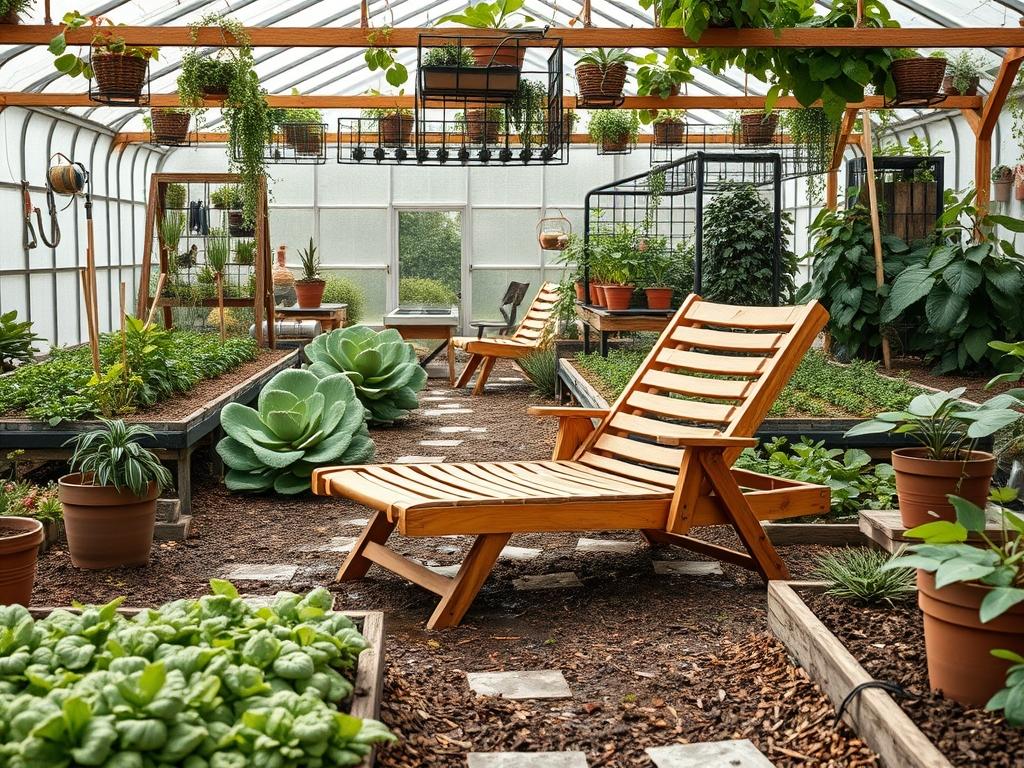
Creating a sophisticated outdoor sanctuary transitions a simple yard into an extension of the home’s architectural footprint. This process requires a meticulous understanding of spatial dynamics, environmental stressors, and the nuanced relationship between hardscape and softscape. When homeowners invest in high-quality Backyard Reclining Sun Chairs, the surrounding environment must be engineered to support both the aesthetic and the functional longevity of these pieces. A common mistake is placing furniture on an uneven lawn or in a wind-prone corridor, which diminishes the user experience and can lead to structural damage over time. The primary landscaping challenge involves balancing the desire for solar exposure with the necessity of windbreaks and cooling vegetation. From a curb appeal perspective, a dedicated lounging zone increases the perceived value of the property by defining a clear purpose for the outdoor space. Achieving this requires a focus on microclimates, ensuring the area remains comfortable during peak heat while providing adequate drainage during the rainy season.
Landscape Design Principles
Successful landscape design for lounging areas relies on the principle of spatial hierarchy. This means the area designated for Backyard Reclining Sun Chairs should feel like a destination rather than a thoroughfare. Using symmetry can create a formal, resort-like atmosphere. For example, placing two chairs side-by-side, flanked by identical Terracotta Planters, establishes a balanced focal point that draws the eye. However, asymmetrical layouts can work effectively in more naturalistic, modern settings where elevation layers play a role. By using Retaining Walls to create a tiered landscape, you can elevate the sun-bathing area to catch more light while using the lower tiers for lush, cooling greenery.
Elevation is a critical tool for the landscape architect. A slight rise in the ground plane, perhaps only 6 inches to 12 inches, can separate a lounging deck from a high-traffic walkway. This separation provides a sense of enclosure and privacy without the need for tall, imposing fences. Visual balance is further achieved by mirroring the height of the home with medium-sized Specimen Trees or tall Ornamental Grasses. Furthermore, irrigation planning must be integrated early. Modern systems should include Drip Irrigation lines hidden beneath a layer of Cedar Mulch to ensure that foliage near the chairs remains vibrant without creating overspray that could rust or degrade the chair mechanisms. Finally, the inclusion of clear, wide walkways using Flagstone or Pre-cast Pavers ensures that the “lounge zone” is accessible and integrated into the overall flow of the property.
Plant and Material Selection
The materials surrounding your seating area influence the ambient temperature and the tactile experience of the space. Darker materials like Basalt or dark Slate absorb heat, which can make the area uncomfortably hot for barefoot residents. Conversely, lighter options like Travertine or Light Grey Gravel reflect sunlight, keeping the area cooler.
| Plant Type | Sun Exposure | Soil Needs | Water Demand | Growth Speed | Maintenance Level |
| :— | :— | :— | :— | :— | :— |
| Lavender (Lavandula) | Full Sun | Well-drained, Sandy | Low | Moderate | Annual Pruning |
| Blue Fescue | Full Sun | Well-drained | Low | Fast | Division every 3 years |
| Japanese Maple | Partial Shade | Slightly Acidic, Rich | Moderate | Slow | Minimal Pruning |
| Boxwood (Buxus) | Sun to Shade | Loamy, Moist | Moderate | Slow | Frequent Shearing |
| Serviceberry | Full to Part Sun | Moist, Well-drained | Moderate | Moderate | Seasonal Clean-up |
| Maiden Grass | Full Sun | Various Soils | Moderate | Fast | Late Winter Cutback |
In addition to plants, the selection of hardscape materials is vital. For a stable base under Backyard Reclining Sun Chairs, use a 4-inch layer of Compactable Gravel topped with Polymetric Sand to prevent weed growth between joints. If a more natural look is desired, Decomposed Granite provides a permeable surface that allows water to return to the aquifer while maintaining a firm enough surface for chair legs.
Implementation Strategy
Implementing a professional-grade layout begins with a technical site survey. Use a Transit Level or a simple String Level to determine the slope of the land. A grade of 1 percent to 2 percent away from the house and the seating area is essential to prevent puddling. Once the grade is established, the next step is excavation. For a paved lounging area, excavate to a depth of at least 8 inches to allow for the Sub-base, Bedding Sand, and Pavers.
After excavation, install Edge Restraints made of Heavy-duty Plastic or Steel to hold the materials in place. For areas utilizing Cedar Mulch, ensure a 3-inch depth to suppress weeds and retain soil moisture for nearby plants. If the design includes a privacy screen, install Post Hole Diggers to a depth of 30 inches to ensure stability against wind loads. Drainage must be addressed by installing 4-inch Perforated PVC Pipes wrapped in Filter Fabric if the area sits at the bottom of a slope. This “French Drain” system will whisk excess water away from the lounging zone, protecting the feet of your chairs from localized flooding. Finally, when the hardscape is set, begin the softscape installation by placing the largest trees first, followed by shrubs, and finishing with groundcovers.
Common Landscaping Failures
The most frequent failure in backyard planning is the neglect of drainage dynamics. When a patio or lounging area is perfectly flat, water will sit on the surface, causing slip hazards and accelerated wear on your Backyard Reclining Sun Chairs. Another significant issue is root overcrowding. Planting a fast-growing tree too close to a paved area will eventually result in the roots lifting the Pavers, creating an uneven and dangerous surface. Always research the mature spread of a tree’s root system before placement.
Improper spacing of plants also leads to a chaotic environment. While a “full” look is desirable at the time of installation, plants need room to breathe. Crowded foliage traps humidity, which can lead to fungal diseases and attract pests like mosquitoes to your lounging area. Soil compaction is another silent killer. During construction, heavy machinery or even consistent foot traffic can crush the air pockets in the soil, preventing water and oxygen from reaching plant roots. To fix this, use an Aerator or incorporate Organic Compost into the soil before planting. Lastly, many homeowners fail to account for irrigation inefficiencies. Over-watering not only wastes resources but can lead to “wet feet” for plants like Lavender, which will quickly rot and die in oversaturated soil.
Seasonal Maintenance
Maintaining a professional landscape requires a calendar-based approach. In the spring, the focus should be on “awakening” the garden. Use a Rake to remove winter debris and apply a fresh layer of Bark Mulch to help the soil retain moisture as temperatures rise. This is also the time to inspect your Backyard Reclining Sun Chairs for any structural issues and to clean the fabric with a Soft-bristle Brush and mild soap.
During the summer, irrigation becomes the priority. Monitor your Controller settings to adjust for heat waves, ensuring that plants receive deep watering in the early morning to minimize evaporation. Autumn is for preparation. This is the time to prune deciduous trees and to “deadhead” spent flowers to encourage one last bloom. Clean out any Drainage Grates to prevent clogging from fallen leaves. Winter management involves protecting the investment. If you live in a climate with snow, move your Backyard Reclining Sun Chairs into a Storage Shed or use Heavy-duty Vinyl Covers. For the landscape, apply a layer of Pine Straw over sensitive perennials to provide thermal insulation against frost-heave.
Professional Landscaping FAQ
How do I prevent my sun chairs from sinking into the lawn?
The best solution is to install a stable base. Excavate a small area and fill it with Crushed Stone or lay down Flagstones. This distributes the weight and prevents the legs from piercing the turf or soil.
What is the best material for a cool patio surface?
Travertine or light-colored Sandstone are excellent choices. These natural stones have low thermal conductivity, meaning they stay significantly cooler under direct sun than materials like concrete, dark brick, or asphalt.
How far should I plant trees from my lounging area?
Maintain a distance of at least 10 feet for small trees and 20 feet for large canopy trees. This prevents root interference with your hardscape and reduces the amount of sap or debris falling onto your furniture.
Does mulch depth really matter for plant health?
Yes. A depth of 3 inches is the professional standard. Too little mulch fails to suppress weeds or retain moisture. Too much mulch can “suffocate” the soil and prevent water from reaching the root zone effectively.
How do I choose between a deck and a patio?
Patios are generally more durable and require less maintenance over time, especially at ground level. Decks are better for sloped yards where you need to create a level plane without extensive grading or Retaining Walls.