
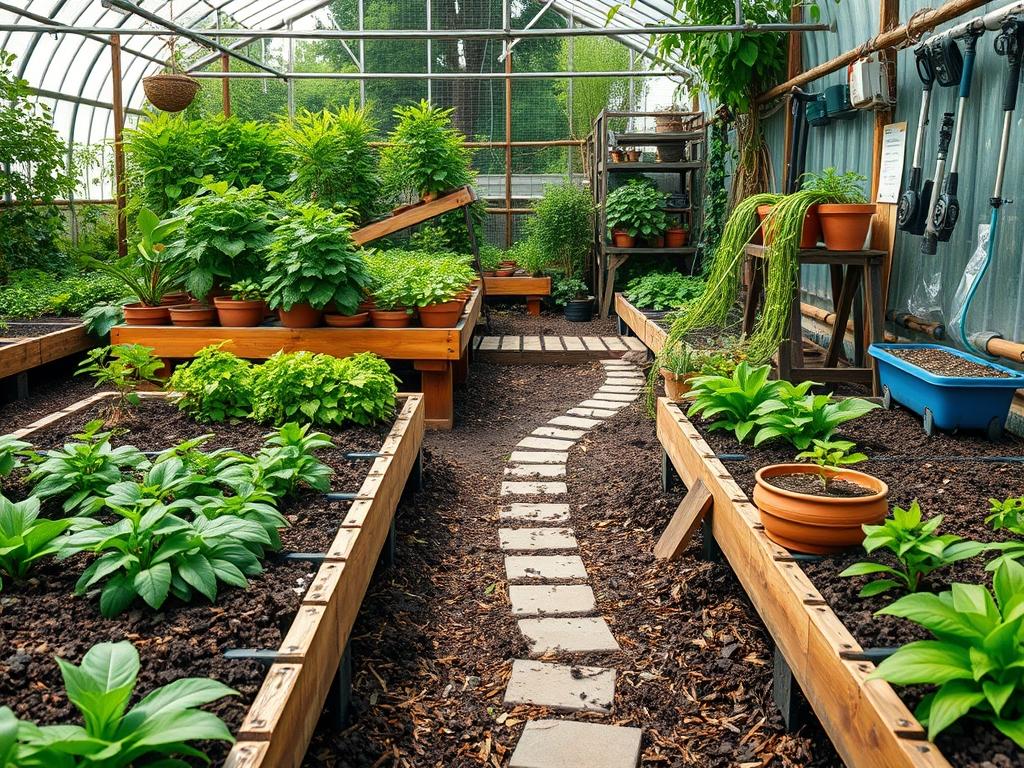
Creating a functional and aesthetic outdoor space requires a delicate balance between horticultural needs and the practical realities of daily life. For homeowners with pets, this balance becomes even more complex, as the materials chosen for ground cover must withstand high traffic while remaining chemically inert. The search for Backyard Puppy Safe Mulches is not merely a niche concern; it is a foundational element of responsible landscape architecture. When we design environments for residential clients, we prioritize the longevity of the installation and the safety of all inhabitants. Traditional landscaping often relies on materials that, while visually appealing, pose significant health risks to inquisitive animals. By integrating non-toxic alternatives into the initial planning phase, we enhance the curb appeal of the property without compromising the well-being of the family dog. The choice of mulch affects soil moisture retention, weed suppression, and even the localized temperature of the root zones. Therefore, selecting a material that is both durable and safe is a primary objective for any comprehensive outdoor environment strategy.
Landscape architects must consider the varying climate conditions of a region when recommending specific ground covers. In arid environments, a mulch that retains moisture is essential for plant survival, yet in humid climates, the same material might promote fungal growth if it lacks proper aeration. This functional requirement must be weighed against the behavioral patterns of puppies, who are known to dig, chew, and occasionally ingest their surroundings. Typical choices like Cocoa Bean Hulls contain theobromine, a compound similar to caffeine that is highly toxic to dogs. Consequently, we shift our focus toward organic, untreated wood products and specific mineral compositions that provide the same aesthetic benefits without the biological risks. A well-planned backyard functions as a living ecosystem where the safety of the animal is woven into the very fabric of the design.
Landscape Design Principles
Effective landscape design relies on the core principles of symmetry, focal points, and elevation layers to create a cohesive visual experience. When planning a space that incorporates Backyard Puppy Safe Mulches, we use these principles to guide the movement of both people and pets. Symmetry can be achieved through the mirrored placement of Boxwood Shrubbery or Ornamental Grasses, which provides a sense of order and calm. Focal points, such as a large Granite Fountain or a specimen Japanese Maple, draw the eye away from high-traffic pet zones and toward the more artistic elements of the garden. By varying elevation layers through the use of Retaining Walls and raised planters, we can protect sensitive vegetation from active dogs while creating a multi-dimensional landscape.
Irrigation planning is another critical pillar of design that must be addressed alongside mulch selection. A poorly designed Drip Irrigation system can lead to saturated mulch beds, which may result in the growth of harmful molds or mushrooms. We design walkways using Flagstone or Decomposed Granite to provide stable paths for patrol, reducing the likelihood of dogs trampling through delicate garden beds. Visual balance is maintained by contrasting the textures of the plants with the color of the mulch. For instance, the deep reds of Hemlock Mulch provide a stunning backdrop for the vibrant greens of Hostas. This approach ensures that the backyard remains a professional, curated space that serves the needs of every family member.
Plant and Material Selection
Choosing the right combination of flora and ground cover is essential for a low-maintenance, pet-friendly yard. The following table outlines several plant species that pair well with non-toxic mulches and are safe for residential environments.
| Plant Type | Sun Exposure | Soil Needs | Water Demand | Growth Speed | Maintenance Level |
| :— | :— | :— | :— | :— | :— |
| Snapdragons | Full Sun | Well-drained | Moderate | Fast | Medium |
| Zinnias | Full Sun | Rich, Loamy | Moderate | Fast | Low |
| Sunflowers | Full Sun | Deep, Loose | High | Rapid | Medium |
| Petunias | Full-Partial | Fertile | Moderate | Medium | Low |
| Marigolds | Full Sun | Any / Basic | Low | Fast | Low |
For the mulch itself, we recommend Cedar Shreds, Pine Bark Minis, or untreated Douglas Fir. These materials are natural, lack harmful dyes, and provide excellent weed suppression. Unlike Black Walnut Mulch, which contains juglone and can be harmful to both plants and pets, these softwoods are generally considered safe for curious paws.
Implementation Strategy
The implementation of a professional backyard layout begins with meticulous site preparation. First, proper Grading must be established to ensure that water flows away from the home foundation and does not pool in the middle of the lawn. This is especially important in pet-friendly yards, as standing water can become a breeding ground for bacteria. Once the grade is set, we define the garden beds using Steel Edging or Concrete Pavers. This creates a physical barrier that helps keep the Backyard Puppy Safe Mulches contained within the designated zones, preventing the material from scattering across the grass during play.
Next, we address the depth of the mulch layer. A standard depth of 3 inches is recommended for most applications. This thickness is sufficient to suppress weed growth and retain soil moisture, but not so deep that it creates an unstable surface for a running puppy. Beneath the mulch, a high-quality Landscape Fabric can be used to further inhibit weeds, though many architects prefer to skip this in favor of a thicker organic layer that enriches the soil as it decomposes. Finally, hardscaping elements like Benches or Pergolas should be installed on a solid base of Crushed Stone or Sand to ensure stability. By following this structured approach, the landscape becomes a durable and functional extension of the home.
Common Landscaping Failures
One of the most frequent errors in residential landscaping is the mismanagement of drainage. When water does not have a clear path to exit the property, it saturates the soil and the mulch, leading to root rot and the development of toxic fungi. Overcrowding is another common mistake; designers often plant young shrubs too close together, failing to account for their mature width. This leads to poor air circulation and increased pest pressure. In a pet-centric yard, improper spacing can also create hidden pockets where a puppy might get stuck or ingest something they should not.
Soil compaction is a significant issue in yards with active dogs. Constant running along fences or through specific corridors compresses the earth, making it difficult for water and oxygen to reach plant roots. To mitigate this, we integrate Stepping Stones in high-traffic areas. Additionally, irrigation inefficiencies, such as overwatering or poorly aimed sprinkler heads, can waste resources and damage the structural integrity of Retaining Walls. Homeowners must also avoid using chemical pesticides or herbicides that can linger on the mulch and be absorbed through a dog’s paw pads. Professional planning avoids these pitfalls by considering the long-term biological and physical impact of every design choice.
Seasonal Maintenance
Landscape management is a year-round commitment that changes with the seasons. In the Spring, the focus is on rejuvenation. This involves clearing away debris that accumulated over the winter, pruning dead wood from Shrubs, and top-dressing the garden beds with a fresh 1-inch layer of puppy-safe mulch to restore color and function. During the Summer, the priority shifts to irrigation management and weed control. Since organic mulches decompose over time, it is important to check for thinning spots that might expose the soil to the harsh sun, causing it to dry out rapidly.
As Autumn arrives, the task of leaf removal becomes paramount. Leaving a thick layer of wet leaves on top of your mulch can create a slick surface and trap excessive moisture, which may lead to plant disease. This is also the time to plant spring-flowering bulbs and ensure that all Hardscaping remains level before the ground freezes. In the Winter, maintenance is largely architectural. We inspect the yard for any damage caused by frost heave and ensure that any salt used for de-icing is pet-safe and kept away from the organic mulch beds. Consistent seasonal care ensures that the landscape remains a safe and beautiful retreat throughout the year.
Professional Landscaping FAQ
What is the safest mulch for puppies who chew?
Untreated Pine Bark or Cedar is generally safest because they lack toxic chemicals. Avoid Cocoa Bean Hulls, which contain theobromine. Always monitor your pet to ensure they are not ingesting large quantities of any wood product which could cause blockages.
How deep should I spread my puppy safe mulch?
We recommend maintaining a consistent depth of 3 inches. This provides adequate weed suppression and moisture retention while remaining shallow enough to prevent the growth of nuisance fungi that could be harmful if a curious puppy investigates the garden beds.
Can I use dyed mulches in my backyard?
It is best to avoid dyed mulches unless they are specifically certified as organic and pet-safe. Many cheap dyes use carbon or iron oxide, but some older varieties may contain heavy metals or arsenic that could harm your puppy.
How do I prevent my dog from digging in the mulch?
Provide designated digging zones with sand or soft soil to redirect their energy. You can also use River Rocks or Boulders as physical barriers around sensitive plants to discourage them from entering the mulched areas of the landscape design.
Does cedar mulch repel fleas and ticks for dogs?
Cedar contains natural oils like thujone that can help repel certain insects, including fleas and ticks. While it is not a total replacement for veterinary-approved flea prevention, using cedar as a ground cover provides an extra layer of environmental defense.