
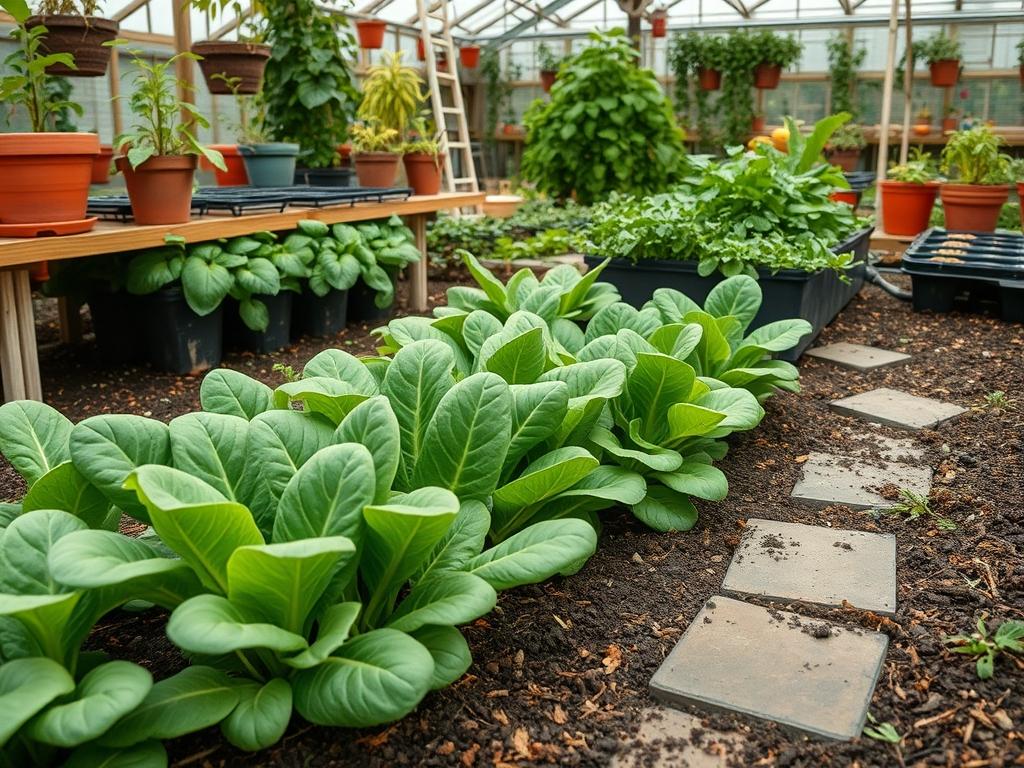
Integrating edible crops into a high-end residential landscape requires a shift in perspective from mere agriculture to architectural utility. While many homeowners abandon their outdoor spaces once the first frost arrives, a sophisticated garden plan utilizes the winter months to maintain structural integrity and visual interest. Spinach serves as more than just a nutrient dense vegetable; it functions as a vibrant, low-profile groundcover that keeps the soil anchored and the landscape looking productive during the dormant season. Implementing effective Backyard Winter Spinach Tips starts with understanding the microclimates of your property. By positioning these plantings near heat-conductive elements like stone retaining walls or south-facing foundations, a landscape architect can extend the growing season and enhance the property’s winter curb appeal. A well-designed winter edible garden signals a level of intentionality and year-round stewardship that adds significant perceived value to a residential estate.
Landscape Design Principles
In the realm of professional land management, the placement of winter greens must follow the same rigorous design principles as any ornamental installation. Symmetry and focal points are essential for ensuring the garden does not look like an abandoned plot during the colder months. We often utilize raised beds constructed from Western Red Cedar or natural fieldstone to create permanent architectural lines. These structures provide the necessary elevation layers, lifting the Spinach above the frost-prone ground level and making the harvest more ergonomic for the homeowner.
Irrigation planning is another critical pillar of winter landscape design. While evaporation rates are lower in winter, cold winds can dehydrate plants rapidly. We integrate drip irrigation systems with automated timers that include a freeze-sensor bypass. This ensures that the root zones receive consistent moisture without creating ice hazards on nearby flagstone walkways. Visual balance is achieved by surrounding the dark green textures of the spinach with taller structural elements, such as Evergreen Boxwoods or Ornamental Grasses, which provide a backdrop that prevents the low-growing greens from disappearing into the horizon of the yard.
Plant and Material Selection
Selecting the right cultivars and hardscaping materials is the foundation of a resilient winter landscape. Not all greens are created equal when the thermometer drops below freezing. Below is a selection of professional-grade choices for a winter-centric outdoor environment.
| Plant Type | Sun Exposure | Soil Needs | Water Demand | Growth Speed | Maintenance Level |
| :— | :— | :— | :— | :— | :— |
| Savoy Spinach | Full Sun | Loamy, pH 6.5 | Moderate | Medium | Low |
| Semi-Savoy Spinach | Partial Sun | Well-drained | Moderate | Fast | Medium |
| Smooth Leaf Spinach | Full Sun | Rich Organic | Low | Fast | Low |
| Winter Giant Spinach | Full Sun | Heavy Compost | Moderate | Slow | Low |
| Lacinato Kale | Full Sun | Nitrogen Rich | High | Slow | Medium |
For material selection, we recommend using dark-colored basalt mulch or pine bark nuggets. These materials serve a dual purpose: they suppress weeds and absorb solar radiation during the day, releasing that heat into the soil at night to protect delicate root systems.
Implementation Strategy
The execution of a winter garden begins with site grading and drainage analysis. You must ensure that the area intended for your Spinach is not a low point where cold air and water settle. We recommend a slight 2 percent grade away from the planting beds to prevent stagnant water, which can lead to crown rot in winter months. Once the footprint is established, use heavy-duty steel edging to define the borders between your turf and the cultivation area. This creates a crisp, professional line that remains visible even under light snow.
Soil preparation requires a deep tilling of organic compost and bone meal to a depth of 12 inches. After the soil is prepped, install low-tunnel hoops made of galvanized steel. These hoops support 6-mil greenhouse plastic or heavyweight garden fabric, creating a protected environment that can be 10 degrees warmer than the ambient air. When planting, space the seeds roughly 4 inches apart in rows separated by 12 inches. This spacing allows for proper air circulation, which is vital for preventing fungal diseases in the humid microclimate under the row covers. Finish the installation with a 3 inch layer of shredded cedar mulch around the base of the structures to insulate the perimeter.
Common Landscaping Failures
The most frequent mistake in winter landscaping is improper drainage. If the soil is compacted or lacks sufficient perlite or coarse sand, the winter rains will saturate the root zone, effectively drowning the plants. Soil compaction is often a result of heavy foot traffic during the construction phase; we mitigate this by installing stepping stones or permeable pavers to ensure that maintenance can be performed without crushing the soil structure.
Another failure is improper spacing and root overcrowding. Many enthusiasts plant too densely, hoping for a lush look, but this results in stunted growth and increased pest vulnerability. Furthermore, ignoring the wind factor is a common oversight. In high-wind areas, the desiccating effects of cold air can turn Spinach leaves brown and brittle within 48 hours. We use woven willow hurdles or acrylic windbreaks to provide a buffer against the prevailing winter gusts. Finally, irrigation inefficiency often occurs when homeowners turn off their systems entirely in November. While the plants need less water, they still require hydration to maintain cell turgidity and survive hard freezes.
Seasonal Maintenance
Seasonal management ensures the long-term health of the soil and the aesthetic continuity of the property. In spring, the focus shifts to transitioning the beds. As the Spinach begins to bolt, it should be removed to make way for warm-season vegetables or annual flowers. This is the time to test the soil pH and replenish the organic matter that was consumed during the winter.
Summer maintenance involves managing the hardscaping and irrigation infrastructure. Inspect all retaining walls for shifting and flush the irrigation lines to remove any mineral buildup. Autumn is the most intensive period for the winter gardener. This is when the primary planting occurs, usually 6 to 8 weeks before the first expected frost. It is also the time to apply a fresh layer of mulch and install the protective row covers. During winter, maintenance is minimal but critical. You must periodically vent the cold frames on sunny days to prevent overheating and clear heavy snow loads off the fabric covers to prevent the support hoops from collapsing.
Professional Landscaping FAQ
How does elevation affect winter spinach growth?
Higher elevation beds provide better drainage and keep plants away from the coldest air that settles on the ground. This separation prevents frost pocketing and protects the Spinach crowns from ice damage during extreme temperature fluctuations.
What is the best mulch for winter insulation?
We recommend shredded hardwood mulch or pine straw. These materials provide excellent thermal resistance and allow for gas exchange. Apply a layer at least 3 inches thick to ensure the soil temperature remains stable throughout the night.
Can I grow winter vegetables in containers?
Yes, but containers require extra protection. Use insulated planters or wrap standard pots in burlap and bubble wrap. Container-grown Spinach dries out faster than in-ground plantings, so check moisture levels at least twice a week.
How do you prevent pests in a winter landscape?
Slugs are the primary concern in damp winter conditions. Use copper flashing around the perimeter of the beds or diatomaceous earth to create a barrier. Keeping the foliage dry by using soaker hoses instead of overhead watering also reduces pest attraction.
When is the best time to harvest winter greens?
Harvesting should occur in the late morning after the sun has thawed any ice crystals on the leaves. Use curved garden snips to cut the outer leaves, allowing the inner heart of the Spinach to continue growing for future yields.