
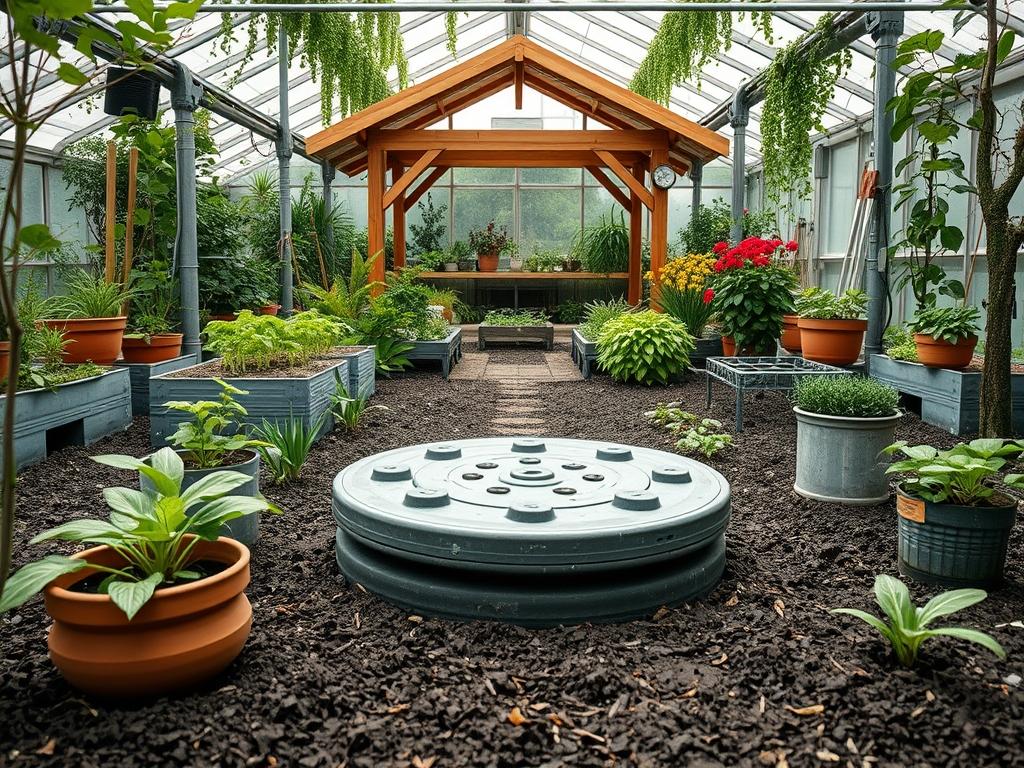
Developing a cohesive outdoor living space requires more than just selecting aesthetic furniture or choosing a vibrant palette of perennials. For the modern homeowner, the structural integrity of a shade structure is a paramount concern that intersects directly with landscape architecture. When integrating a gazebo into a backyard design, the challenge often lies in securing the structure without compromising the visual flow of the environment. High wind zones and shifting soil conditions necessitate the use of Backyard Gazebo Weight Plates, which serve as the anchor for these decorative pavilions. Traditionally, securing a gazebo meant drilling into expensive stonework or pouring permanent concrete footings. However, contemporary design shifts toward flexibility and non-invasive methods, allowing for a more dynamic use of the site. By treating these weight plates as a functional design element rather than a necessary eyesore, architects can maintain high curb appeal while ensuring safety. The goal is to create a seamless transition between the rigid hardware of the structure and the soft, organic textures of the surrounding garden.
Landscape Design Principles
A successful backyard layout relies on the fundamental principles of symmetry and focal points. When a gazebo is positioned as the primary destination in a landscape, its footprint must feel intentional. This is where the strategic placement of Backyard Gazebo Weight Plates becomes critical. Instead of leaving the heavy Cast Iron or Sand-filled HDPE discs exposed, designers often use them to establish elevation layers. By slightly raising the gazebo on a platform of Crushed Granite or Pea Gravel, the weights can be recessed or integrated into the hardscape. Symmetry is achieved by ensuring that each corner of the structure is weighted equally, providing a balanced visual weight that mirrors the overhead canopy.
Visual balance also involves the use of walkways and sightlines. A path of Flagstone Pavers leading to the gazebo should ideally terminate at a point that hides the structural hardware. Utilizing Boxwood hedging or low-profile Retaining Walls can effectively screen the base of the gazebo, including the weight plates, without obstructing the view of the garden. Irrigation planning is another vital component; water must be directed away from the gazebo feet to prevent the metal weight plates from corroding or the weight-bearing soil from becoming a muddy slurry. Proper grading, usually a 2 percent slope away from the center of the structure, ensures that the foundation remains stable through all seasons.
Plant and Material Selection
Selecting the right biological and mineral components around the gazebo base can mask the functional hardware while enhancing the microclimate of the seating area.
| Plant Type | Sun Exposure | Soil Needs | Water Demand | Growth Speed | Maintenance Level |
| :— | :— | :— | :— | :— | :— |
| English Boxwood | Full Sun to Partial Shade | Well-Drained, Loamy | Moderate | Slow | Medium (Requires Pruning) |
| Creeping Thyme | Full Sun | Sandy, Poor Soil | Low | Medium | Low (Drought Tolerant) |
| Blue Star Creeper | Partial Shade | Moist, Rich | High | Fast | Medium (Spreading) |
| Japanese Forest Grass | Shade | Moist, Humus-rich | Moderate | Slow | Low (Deer Resistant) |
| Dwarf Fountain Grass | Full Sun | Adaptable | Low | Fast | Low (Cut back in Spring) |
| Lavender | Full Sun | Gritty, Alkaline | Low | Medium | High (Needs Drainage) |
For the hardscaping materials, many professionals recommend using Polymeric Sand between pavers near the gazebo legs to prevent weed growth and stabilize any shifting that might occur under the pressure of Backyard Gazebo Weight Plates. Surround the weights with Organic Cedar Mulch or Polished River Stones to create a clean, professional finish that complements the home’s exterior.
Implementation Strategy
The process begins with a rigorous site analysis. Before placing a single weight, the ground must be assessed for its load-bearing capacity. Use a Leveling Tool and a Transit Level to ensure the area is perfectly flat, as even a minor incline can cause the gazebo to rack and put uneven stress on the weight plates. For temporary or seasonal installations, the Backyard Gazebo Weight Plates should be placed on a solid surface like Interlocking Rubber Mats or Paver Stones rather than directly on the grass. This prevents the weights from sinking into the turf during heavy rain.
Once the site is graded, install Steel Edging around the perimeter of the gazebo footprint. This creates a clear boundary for your decorative stone or mulch. If the weight plates are the wrap-around style designed for leg poles, ensure they are tightened to the manufacturer’s specifications using a Socket Wrench. If the design allows, consider layering 4 inches of Drainage Gravel beneath the weight plates to provide a firm, fast-draining base. Finally, apply a layer of Landscape Fabric before adding your final aesthetic layer of Landscape Rock. This multi-layered approach ensures that the weights stay level and the surrounding garden remains free of invasive weeds.
Common Landscaping Failures
One of the most frequent mistakes in backyard planning is ignoring the impact of wind lift and soil compaction. Homeowners often underestimate the sheer force exerted by a gust of wind on a gazebo canopy. Using inadequate Backyard Gazebo Weight Plates can lead to the structure shifting, which may damage nearby high-value plants or or hardscaping features. Furthermore, placing heavy weights directly on top of root zones for large trees can lead to root asphyxiation, eventually killing the very shade that makes the gazebo area comfortable.
Another common failure is improper drainage near the gazebo legs. If water pools around the weight plates, it can lead to localized soil erosion. This creates a void beneath the weight, causing the gazebo to tilt. Overcrowding plants is another issue; while it is tempting to plant densely to hide the gazebo base, failure to account for the mature width of Evergreen Shrubs can lead to moisture being trapped against the metal legs, accelerating rust. Ensure there is at least a 12 inch gap between the structural legs and the nearest woody stem to allow for adequate airflow and maintenance access.
Seasonal Maintenance
Landscape management is a year-round commitment. In the spring, the primary task is to inspect the Backyard Gazebo Weight Plates for any signs of shifting after the winter freeze-thaw cycle. Check the tension of any straps or bolts and clear away any organic debris that has accumulated around the base. As summer arrives, the focus shifts to irrigation. Ensure that your Drip Irrigation Lines are not leaking directly onto the weights, as the heat and moisture combination can degrade the finish on Vinyl-Coated Weights.
During the autumn months, falling leaves must be cleared promptly from the base of the gazebo. Wet leaves can create an acidic environment that eats away at the weight plates and promotes fungal growth in the surrounding Mulch. Finally, as winter approaches, determine if your environment requires the weights to be stored or if they are rated for freezing temperatures. If you live in an area with heavy snowfall, ensure the gazebo canopy is removed or cleared regularly, as the extra weight of the snow can exceed the counter-force provided by the Backyard Gazebo Weight Plates, leading to structural collapse.
Professional Landscaping FAQ
Can I use backyard gazebo weight plates on a wooden deck?
Yes, but you must ensure the deck structure can support the concentrated load. Use Protective Rubber Pads beneath the weights to prevent scratching the wood or trapping moisture, which leads to premature rot and staining of the deck boards.
How much weight do I actually need for a standard gazebo?
Generally, a standard 10×10 gazebo requires approximately 30 to 40 pounds per leg for light winds. In high-wind areas, professionals recommend increasing this to 60 pounds per corner to prevent the structure from lifting or sliding across the patio.
Will weight plates ruin my lawn if placed on grass?
Yes, heavy weights will compact the soil and kill the grass beneath them within weeks. If you must place them on turf, move them periodically or install a small Stepping Stone base to distribute the pressure and protect the roots.
Are sand-filled or water-filled weights better for long-term use?
Sand-filled weights are generally superior for long-term landscaping because they do not evaporate or leak. They also provide a denser ballast. Water-filled weights can crack in freezing temperatures if not mixed with anti-freeze agents, potentially damaging your hardscape.
How can I hide unsightly weights without losing access to them?
Integration is key. Construct Custom Planter Boxes that fit around the gazebo legs and house the weights at the bottom. Fill the top of the box with Potting Soil and Annual Flowers to create a beautiful, functional hidden anchor.