
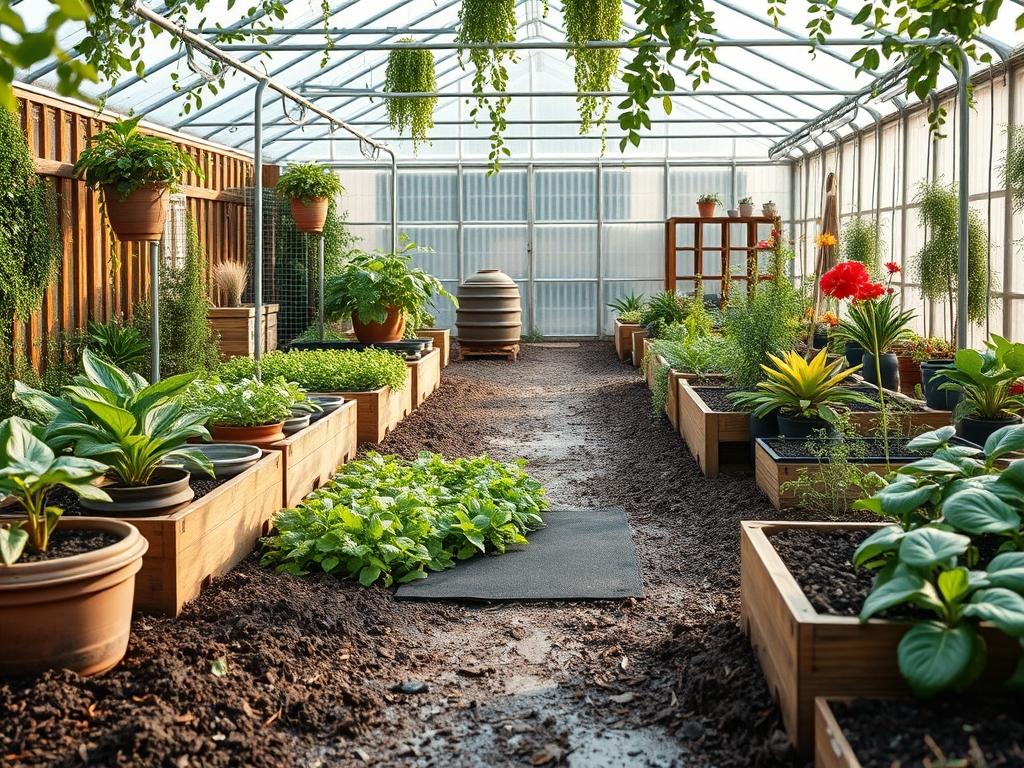
Managing a residential landscape requires a sophisticated understanding of thermal dynamics, site orientation, and the way living organisms interact with their environment. When we design high-performance outdoor spaces, we often focus on the human experience, yet the biological safety of pets is equally critical in the face of rising seasonal temperatures. The integration of Backyard Dog Cooling Mats represents a functional necessity within modern landscape architecture, particularly in regions where the heat index frequently exceeds safe thresholds for canine activity. A well-designed garden does not simply look appealing; it serves as a regulated ecosystem that mitigates the urban heat island effect through strategic shading, material selection, and airflow management. We must view these cooling zones not as afterthoughts, but as integral components of the hardscape that contribute to the overall curb appeal and functionality of the property.
Successful landscape design relies on a hierarchy of space. When planning for canine cooling zones, the architect must evaluate the site for existing microclimates. Areas adjacent to northern-facing walls or beneath mature deciduous canopies offer natural advantages for the placement of Backyard Dog Cooling Mats. By aligning these functional zones with the broader design aesthetic, we can ensure that the transition between high-traffic walkways and leisure areas remains seamless. The goal is to create a landscape that provides thermal relief while maintaining the structural integrity and visual balance of the garden.
Landscape Design Principles
In the realm of professional site planning, symmetry and focal points act as the anchors of the visual experience. When incorporating Backyard Dog Cooling Mats into a design, they should be situated within a designated cooling station that mirrors the surrounding architecture. We often utilize Retaining Walls and Elevation Layers to define these spaces. By raising or lowering the elevation of a pet-friendly zone, we can naturally guide the eye away from the utility of the mats and toward the more ornamental aspects of the garden. This layering effect also facilitates better airflow, which is essential for the convective cooling properties of high-quality mats.
Walkways and circulation patterns must be carefully calculated to prevent bottlenecks. If a cooling mat is placed directly in a primary transit path, it creates a visual clutter and physical hazard. Instead, we use Flagstone or Permeable Pavers to create secondary offshoots that lead to these shaded retreats. This approach maintains the flow of the garden while designating a specific purpose for each square foot of the site. Visual balance is further achieved through the use of repetitive textures and colors; if the cooling mat features a specific slate blue or charcoal gray, incorporating similar tones into the Hardscape or Mulch can unify the entire outdoor environment.
Irrigation planning is another pillar of a resilient landscape. For cooling zones, we must ensure that the surrounding soil carries moisture without becoming waterlogged. The use of a Sub-surface Irrigation System allows for targeted deep-watering of nearby shade-providing plants without saturating the area where the mat is placed. Proper drainage is non-negotiable. We design these areas with a subtle 2 percent slope to ensure that rainwater and cleaning runoff move efficiently toward a French drain or a lower-lying Rain Garden.
Plant and Material Selection
Selecting the right botanical palette is essential for creating a low-temperature environment that supports the use of cooling mats. We prioritize foliage that offers high transpiration rates, which naturally cools the local air.
| Plant Type | Sun Exposure | Soil Needs | Water Demand | Growth Speed | Maintenance Level |
| :— | :— | :— | :— | :— | :— |
| Creeping Thyme | Full Sun to Part Shade | Well-Drained | Low | Moderate | Low |
| Japanese Maple | Filtered Shade | Slightly Acidic | Moderate | Slow | Medium |
| Hostas | Full Shade | Organic Rich | High | Fast | Low |
| Switchgrass | Full Sun | Adaptable | Low | Fast | Low |
| Western Sword Fern | Full Shade | Moist, Humus | High | Moderate | Low |
| Star Jasmine | Sun to Shade | Well-Drained | Moderate | Fast | Medium |
For the ground plane, we avoid heat-absorbing materials like dark asphalt or dense concrete. Instead, we recommend a base of Decomposed Granite or Pea Gravel for the perimeter of Backyard Dog Cooling Mats. These materials allow for excellent drainage and do not retain thermal energy as aggressively as traditional hard surfaces. When selecting Natural Wood Mulch, we specify undyed, double-shredded cedar or hemlock, as these materials offer superior insulation for the soil and a pleasant olfactory experience for the pet.
Implementation Strategy
The successful installation of a pet-friendly cooling zone begins with meticulous site preparation. First, the area must be cleared of all existing turf and organic debris. We then perform a Grading analysis to identify the natural flow of water. Once the grade is established, we excavate to a depth of 4 inches to accommodate the sub-base. A layer of Landscape Fabric is laid down to prevent weed intrusion while allowing for moisture penetration.
Next, we install the edging. Steel Edging or Concrete Curbing provides a clean, permanent border that keeps infill materials from migrating into the lawn or flower beds. After the edging is secured, the sub-base is filled with Crushed Stone and compacted using a Vibratory Plate Compactor. This creates a stable, level surface. A final 1 inch layer of Leveling Sand or fine gravel is applied to ensure the Backyard Dog Cooling Mats sit perfectly flat, which is critical for their internal gel or water-based cooling mechanisms to function with maximum efficiency.
Proper drainage is further enhanced by the installation of a Perforated Drain Pipe if the site is located in a low-lying area. This prevents the “puddling” effect that can ruin outdoor equipment and lead to mosquito breeding. Finally, we position the cooling mats and surround them with the selected low-profile plants, such as Creeping Thyme, to soften the edges of the hardscape and provide a natural, cooling scent.
Common Landscaping Failures
The most frequent mistake in yard planning is the ignore of drainage. When water collects beneath Backyard Dog Cooling Mats, it creates a stagnant environment that leads to mold growth and soil compaction. This compaction prevents air from reaching the roots of nearby trees and shrubs, eventually causing die-back. Another common failure is the improper spacing of plants. Homeowners often install young plants too close to the cooling zone, only to find that within two years, the Root Overcrowding has disrupted the level surface of the hardscape.
Irrigation inefficiencies also rank high among design flaws. Overspray from standard Pop-up Sprinkler Heads can saturate cooling mats, rendering them less effective and potentially causing the materials to degrade faster. Furthermore, using heat-retaining materials like dark lava rock near a cooling station is a strategic error. These rocks can reach temperatures exceeding 140 degrees Fahrenheit in direct sun, creating a perimeter of heat that negates the benefits of the cooling mat.
Professional-grade landscapes must also account for site-specific soil density. In areas with high clay content, the lack of porosity leads to water pooling. If the soil is not amended with Expanded Slate or Compost, the entire drainage system will eventually fail. We always recommend a professional soil test before beginning any major grading or planting project to ensure the longevity of the installation.
Seasonal Maintenance
The management of a high-end landscape shifts with the calendar. In the Spring, the focus is on clearing winter debris and checking the integrity of the drainage lines. This is the time to apply a fresh layer of Bark Mulch and inspect the Backyard Dog Cooling Mats for any winter damage. We also look for signs of frost heave in the stone sub-base and relevel as necessary.
During the Summer, irrigation monitoring is the primary task. We adjust the Smart Irrigation Controller to account for higher evaporation rates. This is also the peak season for the cooling stations, requiring regular cleaning of the mats with a mild, eco-friendly detergent to remove pollen and dust. In the Autumn, we manage leaf litter. Allowing leaves to accumulate on or around cooling zones can trap moisture and cause rot. We recommend using a Leaf Blower to keep the permeable bases clear.
In Winter, the cooling mats should be cleaned, dried, and stored in a sheltered location if the region experiences freezing temperatures. This prevents the expansion of fluids within the mats from damaging the structural seams. The surrounding plants should be protected with a layer of Pine Straw to insulate the root zones, ensuring they are ready to provide shade again when the heat returns.
Professional Landscaping FAQ
How do I integrate cooling mats without ruining my design aesthetic?
Place mats within defined “outdoor rooms” using flagstone borders or low-profile boxwood hedges. This creates a designated zone that looks intentional rather than cluttered, ensuring the cooling station complements your existing garden architecture.
What is the best base material for an outdoor cooling station?
A compacted base of decomposed granite or fine pea gravel provides the best stability and drainage. These materials stay cooler than concrete and allow water to pass through, keeping the mat surface dry and hygiene.
Can I place Backyard Dog Cooling Mats on natural grass?
It is not recommended for long-term use. The mat will block sunlight and oxygen, leading to turf suffocation and yellowing. Instead, create a small, dedicated terminal of permeable pavers or mulch to house the mat.
How do I prevent weeds from growing around the cooling mat area?
Install a heavy-duty geotextile landscape fabric beneath your base material. Use a pre-emergent herbicide in early spring and maintain a thick layer of cedar mulch to suppress seed germination in the surrounding transition zones.
Should the cooling zone be in total shade?
While not mandatory, placing the station under a pergola or a canopy of shade trees significantly increases the lifespan and efficiency of the mat. Total shade reduces the thermal load on the materials and the pet.