
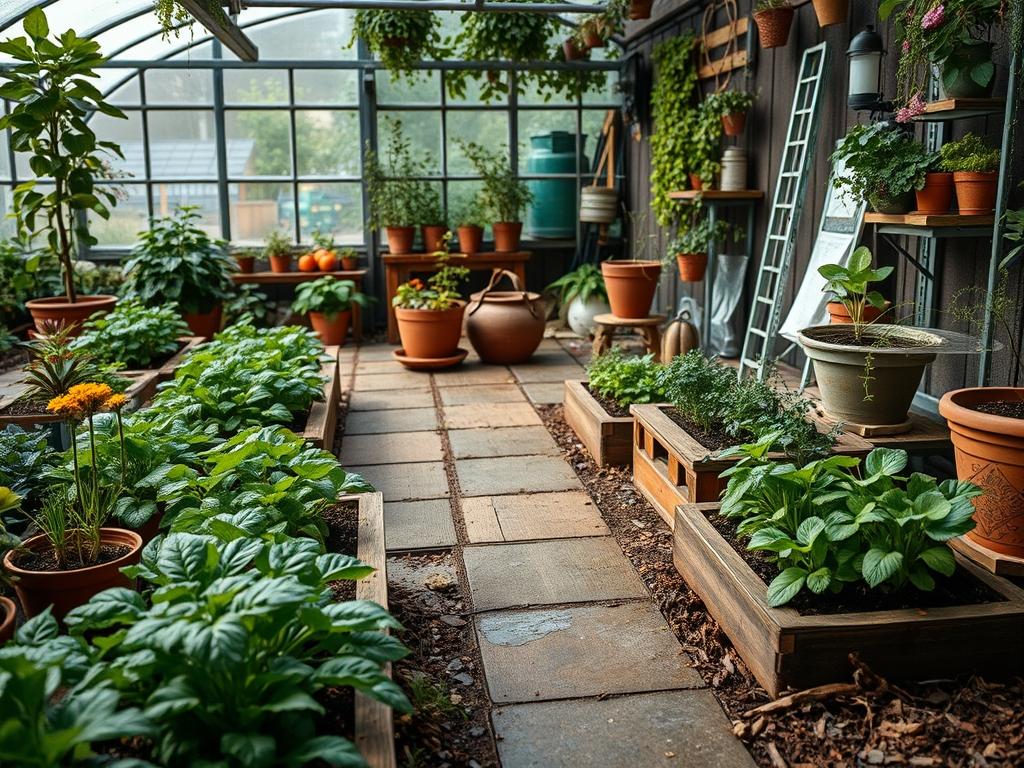
Transforming a residential outdoor space requires more than just aesthetic intuition; it demands a synergy between structural integrity and horticultural vitality. One of the most significant challenges in modern landscaping is creating a functional surface that does not require the permanent footprint of poured concrete or the heavy labor of traditional timber framing. Backyard modular deck tiles have emerged as a primary solution for homeowners seeking to elevate their outdoor living areas without invasive construction. These systems provide an immediate visual upgrade, addressing issues like uneven terrain, unsightly cracked slabs, and poor drainage. When properly integrated, they serve as the foundational floor of an outdoor room, enhancing the curb appeal of the property while extending the usable square footage of the home. Climate considerations play a vital role here, as the choice between Acacia wood, Composite materials, or Stone-topped tiles will dictate how the surface reacts to thermal expansion, UV exposure, and heavy precipitation. A successful installation balances the rigidity of these hardscape elements with the softening influence of perimeters, ensuring the new deck feels like a deliberate architectural choice rather than a temporary addition.
Landscape Design Principles
Effective landscape design starts with the concept of symmetry and visual weight. When planning an area for Backyard Modular Deck Tiles, the designer must consider how the grid pattern of the tiles interacts with the natural lines of the property. Using a recurring geometric layout can instill a sense of order in an otherwise chaotic garden. Focal points are equally crucial; a well placed fire pit or a signature planter serves to draw the eye and anchor the deck tile installation. If the deck is large, breaking the space into “rooms” using different tile orientations or contrasting border colors can define areas for dining versus relaxation.
Elevation layers constitute another vital principle. Most yards are not perfectly flat, and a flat deck often highlights the slant of the surrounding terrain. By utilizing Adjustable Pedestals or building up the sub-base with Crushed Stone, you can create a level transition that aligns with the interior flooring of the house. This seamless threshold increases the flow between indoor and outdoor environments, making the patio feel like a true extension of the home.
Furthermore, irrigation and drainage planning must be integrated into the initial layout. Modular tiles are designed to allow water to pass through the gaps, but the water must have somewhere to go. Incorporating a slight 2 percent grade away from the home foundation prevents moisture accumulation. Strategically placed walkways made of Flagstone or River Rock can connect the modular deck to other garden zones, ensuring the traffic flow is logical and protects the health of the surrounding turf.
Plant and Material Selection
The success of a hardscape project often depends on the biological frame surrounding it. Choosing the right flora ensures that the modular deck transitions gracefully into the natural environment.
| Plant Type | Sun Exposure | Soil Needs | Water Demand | Growth Speed | Maintenance Level |
| :— | :— | :— | :— | :— | :— |
| Buxus sempervirens (Boxwood) | Full Sun to Part Shade | Well drained, loamy | Moderate | Slow | Medium (Requires Pruning) |
| Lavandula angustifolia (Lavender) | Full Sun | Sandy, alkaline | Low | Moderate | Low |
| Miscanthus sinensis (Ornamental Grass) | Full Sun | Adaptable | Low to Moderate | Fast | Low |
| Heuchera (Coral Bells) | Part Shade to Shade | Rich, moist | Moderate | Moderate | Low |
| Trachelospermum jasminoides (Star Jasmine) | Full Sun to Part Shade | Nutrient rich | Moderate | Fast | Medium (Training required) |
| Sedum spurium (Dragon’s Blood) | Full Sun | Gritty, poor soil | Very Low | Moderate | Very Low |
Beyond plants, the hardware used for the installation defines longevity. Use a high quality Geotextile Fabric to suppress weed growth beneath the tiles. For the base, a combination of ¾ inch Clean Stone and a thin layer of Leveling Sand provides a stable, drainable foundation. If installing over existing concrete, ensure the surface is treated with a Concrete Sealer to prevent moisture wicking through the bottom of the plastic tile grids.
Implementation Strategy
The implementation of Backyard Modular Deck Tiles begins with rigorous site preparation. First, clear the area of all vegetation and debris, excavating to a depth of roughly 4 inches if you are starting from bare soil. This allows for a proper sub-base. Lay down the Landscape Fabric, securing it with 6 inch Steel Staples. This barrier is critical; it prevents soil from mixing with your base gravel while allowing water to permeate.
Pour and spread 2 inches of Crushed Limestone, followed by 1 inch of Fine Sand. Use a Plate Compactor or a hand tamper to ensure the surface is rock hard and perfectly level. Check your progress frequently with a 4 foot Spirit Level. Once the base is prepared, the actual installation of the tiles is surprisingly rhythmic. Start at a corner, usually the one closest to the house, and work outward. The interlocking tabs on the Polyethylene Base of the tiles should snap together with a firm click. A Rubber Mallet is the ideal tool for ensuring these connections are fully seated without damaging the wood or composite surface.
As you reach the edges, you will likely need to make custom cuts. Use a Circular Saw with a fine tooth blade to trim the tiles to fit around posts or against curved borders. Always treat the cut ends of wooden tiles with an End-cut Sealer to prevent rotting. Finally, install Aluminum Edging or Timber Sleepers around the perimeter to lock the entire assembly in place and prevent lateral shifting over time.
Common Landscaping Failures
The most frequent error in modular deck installation is neglecting the “bathtub effect.” This occurs when tiles are laid in a recessed area without a clear exit path for water. Even though the tiles are perforated, water trapped underneath will lead to mold, odors, and eventual sub-base failure. Always ensure the underlying soil or concrete has a clear slope toward a French Drain or a lower part of the yard.
Soil compaction is another silent killer of landscape aesthetics. If the area surrounding the deck was heavily trampled during construction, the soil structure is likely destroyed. This prevents oxygen from reaching the roots of your new plants. It is essential to aerate the peripheral soil and incorporate Organic Compost before finishing the garden beds.
Overcrowding plants is a common mistake for those seeking “instant” privacy. While a 6 foot Thuja Green Giant looks great now, its mature width can quickly overwhelm a small modular deck. Respect the spacing requirements listed on your nursery tags. Finally, many installers forget to account for the thickness of the tiles when calculating the height of the first stair or threshold. This creates a trip hazard that violates standard building codes, which generally require a consistent 7 inch riser height.
Seasonal Maintenance
Seasonal care ensures your investment remains a highlight of your property for years. In the spring, inspect the tile gaps for accumulated organic matter like pine needles or oak tassels. These can trap moisture and cause rot. Use a High Pressure Air Blower or a stiff Nylon Brush to clear the channels. If using wood tiles, this is the time to apply a fresh coat of UV Rated Penetrating Oil to maintain the color.
Summer maintenance focuses on the surrounding flora. Ensure that irrigation systems are not spraying directly onto the deck tiles for extended periods, as the mineral content in the water can cause white spotting or “efflorescence” on the surface. During autumn, keep the deck clear of fallen leaves. Decomposing foliage releases tannins that can permanently stain both wood and composite materials.
Winter care is specific to your climate. If you live in an area with heavy snowfall, use a Plastic Shovel rather than a metal one to avoid scratching the tile surface. Avoid using rock salt or chemical de-icers, as these can corrode the plastic interlocking mechanisms and damage your peripheral plants. Instead, use a light dusting of Alfalfa Meal or sand for traction, as these are biodegradable and safer for the environment.
Professional Landscaping FAQ
Can I install modular deck tiles directly over grass?
No, installing directly over grass is not recommended. The organic material will decompose, leading to an uneven surface and significant pest issues. Always remove the turf and install a compacted gravel or sand base with Landscape Fabric to ensure stability.
How do I clean stains from my composite deck tiles?
For most stains, use a mixture of warm water and Dish Soap with a soft-bristled brush. For tougher grease or oil stains from a grill, a specialized Composite Deck Cleaner is required. Avoid using wire brushes or harsh bleach solutions.
How many tiles should I order for my project?
Calculate your total square footage and add a 10 percent wastage factor for cuts and mistakes. If your space has many curves or irregular angles, increase this to 15 percent. It is wise to keep five extra tiles for future repairs.
Do these tiles require a professional contractor for installation?
While designed for DIY ease, a professional is recommended if the site requires significant grading or the installation of a Retaining Wall. However, on a pre-existing level surface, most homeowners can complete the project with basic Hand Tools.
Are wooden deck tiles prone to termites?
Naturally rot-resistant woods like Teak or Ipe discourage pests, but any wood can be vulnerable if it remains in contact with damp soil. Maintaining a clean, dry sub-base and ensuring proper airflow under the tiles is the best defense against infestation.