
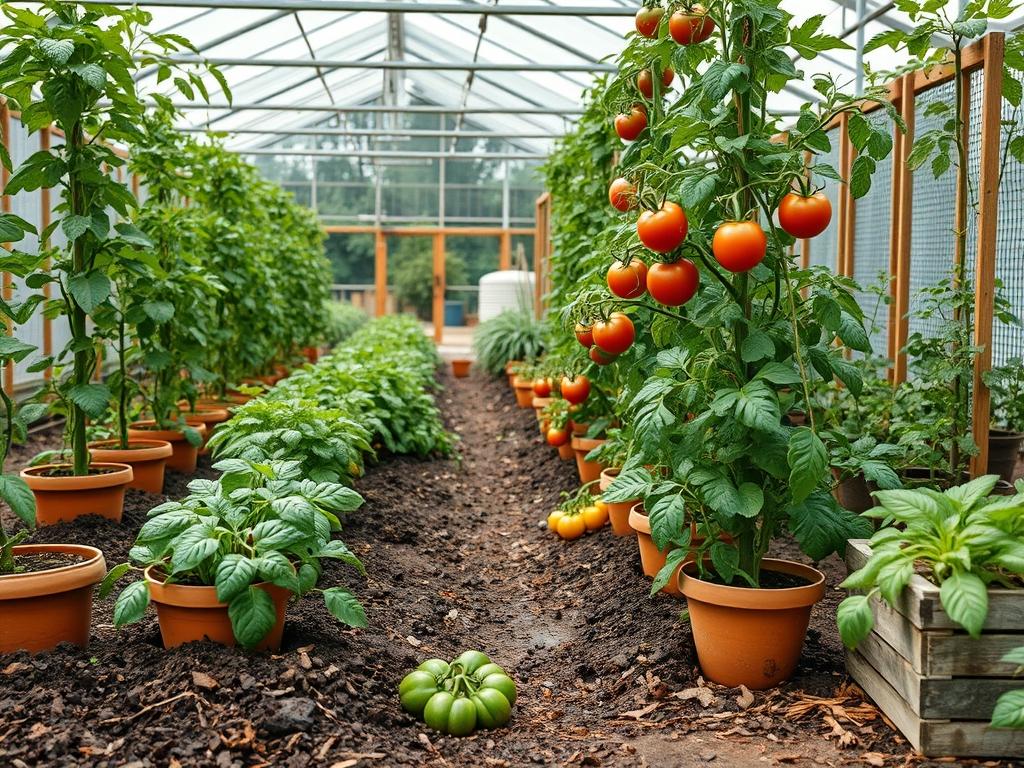
Integrating edible crops into a high end residential landscape requires a sophisticated balance between horticultural necessity and aesthetic elegance. Backyard tomato trellising often presents a unique challenge for the landscape architect, as these vigorous vines can quickly become unruly, detracting from the crisp lines and intentional geometry of a well designed outdoor environment. When planned with precision, however, a vertical tomato system serves as a stunning focal point that enhances the vertical plane of the garden. Successful integration starts with understanding the microclimate of the property, including wind patterns, solar orientation, and the existing topography. We must view the tomato trellis not merely as a functional support, but as a structural element that contributes to the overall curb appeal and spatial definition of the outdoor room. By utilizing materials that complement the home’s architecture, such as powder coated steel or rot resistant cedar, we transform a utilitarian task into a refined landscape feature.
Vertical gardening through strategic trellising maximizes the functional footprint of smaller urban lots while providing the essential air circulation required to mitigate fungal pathogens in humid climates. From a consultant’s perspective, the goal is to create a system that withstands the significant weight of a mature, fruit-laden vine, which can often exceed thirty pounds per plant during the peak of the season. Engineering these supports with deep footings and high quality fasteners ensures that the landscape remains tidy and professional throughout the transitions of the growing year.
Landscape Design Principles
In the realm of professional landscape design, symmetry and focal points dictate how a viewer perceives order within the garden. A row of uniform tomato trellises can act as a living screen, providing privacy from neighbors while softening the transition between hardscaped patios and softer turf areas. When we design these systems, we look at the elevation layers; the goal is to draw the eye upward, creates a sense of enclosure without making the space feel cramped. This is particularly effective in courtyard designs where horizontal space is at a premium.
Visual balance is achieved by aligning the trellising system with the existing architectural grid of the property. For instance, if the home features industrial black window frames, using matching black 1/2-inch EMT conduit or retaining wall accents creates a cohesive visual narrative. Walkways should be planned with enough width to accommodate both pedestrian circulation and the eventual lateral spread of the tomato foliage. A minimum of 36 inches for primary garden paths is recommended to ensure that harvesting activities do not impede the natural flow of the landscape. Irrigation planning must also be integrated into the initial design phase, with subsurface drip lines hidden beneath a layer of triple-ground hardwood mulch to provide consistent moisture without splashing soil-borne pathogens onto the leaves.
Plant and Material Selection
Selecting the right cultivars is as critical as selecting the right construction materials. The following table outlines the requirements for common tomato categories used in elite landscape installations.
| Plant Type | Sun Exposure | Soil Needs | Water Demand | Growth Speed | Maintenance Level |
| :— | :— | :— | :— | :— | :— |
| Indeterminate Tomato | 8+ Hours Full Sun | Rich, Well-Drained | High / Consistent | Rapid | High |
| Determinate Tomato | 6-8 Hours Full Sun | Loamy, Amended | Moderate | Moderate | Low to Medium |
| Cherry Tomato | 8+ Hours Full Sun | Light, Sandy Loam | High | Very Fast | Medium |
| Heirloom Varieties | 6-10 Hours Full Sun | High Organic Matter | Medium | Variable | High |
For the structural components, we prioritize longevity. Heavy-duty 4-gauge cattle panels offer incredible rigidity and a clean, grid-like appearance that fits modern and transitional aesthetics. For a more organic, traditional look, a Florida Weave system using 8-foot cedar stakes and natural jute twine provides a soft textures that blends into a perennial border.
Implementation Strategy
The implementation of a professional backyard tomato trellising system begins with site preparation and grading. It is vital to ensure the area has a 2 percent slope away from nearby structures to prevent water from pooling at the base of the plants. If the existing soil is heavy clay, we often recommend the installation of raised beds constructed from 4×4 kiln-dried cedar or Corten steel, which allows for total control over the growing medium and drainage.
Once the grading is finalized, install the primary supports before any planting occurs. For a permanent vertical trellis, we drive T-posts or wooden pillars at least 18 to 24 inches into the ground to ensure stability against high winds. If using a cattle panel arch, secure the base with rebar stakes and heavy-duty zip ties or wire. After the structures are in place, we apply a 3-inch layer of organic mulch, such as shredded bark or pine straw, which helps regulate soil temperature and suppresses weed growth. The final step of the layout is the installation of the irrigation system. We favor pressure-compensating emitters spaced every 12 inches to ensure each plant receives an identical volume of water, regardless of its position on the line.
Common Landscaping Failures
The most frequent error in residential vegetable integration is the underestimation of mature plant size. Root overcrowding occurs when designers place too many plants in a confined space, leading to competition for nutrients and stunted growth. We recommend a minimum spacing of 24 to 36 inches between plants to facilitate adequate airflow. Soil compaction is another silent killer of garden health; if construction crews or gardeners walk too frequently near the root zones, the soil pores collapse, depriving the roots of oxygen.
Irrigation inefficiencies often stem from overhead watering, which increases the risk of leaf spot and blight. A professional landscape should always utilize ground-level delivery systems. Furthermore, failing to consider the “structural decay” of cheap materials is a common pitfall. Inexpensive tomato cages from big-box retailers are prone to tipping and rusting, which can ruin the sophisticated look of a custom-designed backyard. Investing in powder-coated finishes or stainless steel hardware prevents these unsightly failures. Finally, poor drainage management can lead to root rot; always ensure that the garden beds are elevated or amended with perlite and coarse sand to facilitate water movement through the soil profile.
Seasonal Maintenance
A landscape-grade trellising system requires year-round management to maintain its structural integrity and aesthetic value. In the spring, the focus is on soil amendments and structural inspection. We recommend adding 2 inches of finished compost to the beds and checking all trellis fasteners for signs of winter wear or loosening. This is also the time to test the irrigation zones and replace any clogged emitters.
During the summer, maintenance shifts to pruning and training. For indeterminate varieties, gardeners should remove suckers (the small shoots that grow between the main stem and the leaf) to focus the plant’s energy on vertical growth and fruit production. Ensure the vines are tied loosely to the trellis every 8 to 12 inches using soft garden tape to prevent stem scarring. In autumn, once the harvest is complete, all plant debris must be removed and disposed of off-site to prevent the overwintering of pests. This is the ideal time to apply a winter mulch and check any wooden components for rot. During the winter, the bare trellises act as architectural sculptures; keep them clean and clear of snow loads to prevent bending.
Professional Landscaping FAQ
How do I choose the right trellis height?
Base the height on the specific tomato variety. Indeterminate varieties require supports at least six to seven feet tall. Determinate types stay smaller and generally only need three to four feet of support to remain upright and productive.
Is wood or metal better for long-term trellising?
Powder-coated steel or galvanized cattle panels offer the longest lifespan and a sleek, modern look. However, rot-resistant cedar or redwood provides a classic aesthetic that ages gracefully and blends naturally into most traditional landscape designs.
How can I hide my tomato garden from view?
Integrate the trellises into the middle of a mixed perennial border. By surrounding the tomatoes with ornamental grasses, sage, or lavender, you camouflage the base of the plants while allowing the fruit to become part of the visual tapestry.
What is the best way to prevent soil-borne diseases?
Always use a heavy mulch layer and avoid overhead watering. Ensure your layout includes crop rotation by moving the tomato location every three years to prevent the buildup of pathogens in the soil profile near your permanent structures.
Can I attach trellises directly to my house?
Avoid mounting trellises directly to siding to prevent moisture trapped against the facade. Instead, use offset brackets that keep the trellis at least four to six inches away from the wall, allowing for essential airflow and protecting your home’s exterior.