
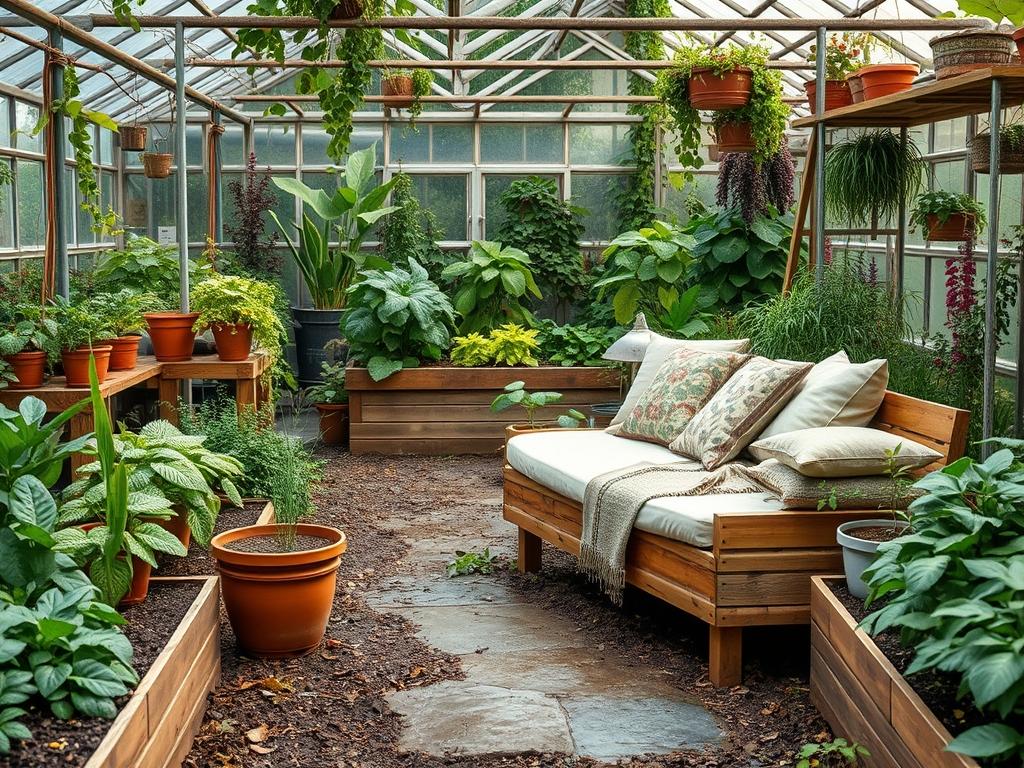
Integrating a high-end daybed into a residential landscape requires more than simply placing a piece of furniture on a lawn. To achieve a truly sophisticated outdoor environment, a landscape architect must treat the daybed as a structural anchor that influences circulation, sightlines, and microclimate management. The primary challenge involves balancing the desire for an open, airy relaxation zone with the necessity of privacy and protection from the elements. A luxury daybed should feel like a secluded sanctuary, yet it must remain tethered to the broader architectural language of the home. When executing backyard daybed styling tips, professionals prioritize the relationship between hardscape durability and softscape texture. This ensures the site remains functional through seasonal shifts while providing the curb appeal that increases overall property value. Proper placement considers the trajectory of the sun, the prevailing wind direction, and the proximity to high-traffic zones like outdoor kitchens or pools.
Landscape Design Principles
Successful daybed integration relies on the principle of defined spatial layering. Rather than placing the unit in the center of an undifferentiated lawn, designers create a “room within a room” by using retaining walls, different elevation layers, and strategic plant massing. Using a raised timber deck or a natural stone plinth elevates the daybed, providing a physical boundary that separates the lounging area from the surrounding garden. This change in height naturally draws the eye, establishing the daybed as a primary focal point. Symmetry often plays a role in formal designs, where twin potted topiaries or identical sconces flank the daybed to create a sense of neoclassical order.
In more contemporary or organic designs, visual balance is achieved through asymmetrical plant groupings and varied materials. For instance, a heavy concrete planter on one side may be balanced by a grouping of light, airy ornamental grasses on the other. Irrigation planning is also critical at this stage. Subsurface drip irrigation should be installed before any hardscaping to ensure that the lush greenery surrounding the daybed thrives without creating overspray that could damage high-performance textiles or wooden frames. Walkways should be designed using steppers or decomposed granite to provide a clear path to the lounging area, preventing the compaction of turf and ensuring the space feels like an intentional destination.
Plant and Material Selection
The following selections emphasize texture, privacy, and low-maintenance luxury to complement a high-end daybed area.
| Plant Type | Sun Exposure | Soil Needs | Water Demand | Growth Speed | Maintenance Level |
| :— | :— | :— | :— | :— | :— |
| Buxus sempervirens | Full Sun to Shade | Well-Drained | Moderate | Slow | Moderate (Pruning) |
| Trachelospermum jasminoides | Partial Sun | Fertile/Loamy | Moderate | Fast | Low (Training) |
| Miscanthus sinensis | Full Sun | Most Types | Low | Fast | Low (Annual Cut) |
| Hydrangea macrophylla | Partial Shade | Moist/Rich | High | Moderate | Moderate |
| Dryopteris erythrosora | Full Shade | Acidic/Moist | Moderate | Slow | Low |
| Carpinus betulus | Full Sun | Heavy Clay/Loam | Moderate | Moderate | High (Pleaching) |
Material selection for the daybed base and surrounding structures must prioritize longevity. Ipe wood, Teak, and Marine-grade stainless steel are the standards for luxury furniture frames. For the underlying surface, travertine pavers or basalt stone offer cooling properties underfoot and a slip-resistant texture. Using high-density polyethylene (HDPE) resin for wicker elements ensures the piece will not crack or fade under intense UV exposure.
Implementation Strategy
The implementation process begins with site grading and drainage assessment. A daybed area must have a slight slope, usually a 2 percent grade, to lead water away from the furniture and preventing pooling. After the site is leveled, a layer of compacted road base or crushed rock is laid down to provide a stable foundation. If the design calls for a permanent structure, concrete footings may be required. Once the structural base is set, geotextile fabric is installed to prevent weed growth before the final surface material, such as pea gravel or porcelain pavers, is applied.
Edging is another neglected but vital step. Using steel edging or cobblestone borders keeps the mulched garden beds from encroaching on the daybed’s footprint. When it comes to the softscape, a 3 inch layer of hardwood mulch should be spread around the perimeter plants to retain moisture and suppress weeds. If the daybed is positioned under a pergola or pavilion, ensure that the roof pitch allows for proper runoff into a French drain or a concealed catch basin. This prevents heavy rain from splashing mud onto the outdoor cushions or performance fabrics like Sunbrella.
Common Landscaping Failures
One of the most frequent errors in daybed placement is poor drainage planning. If the area becomes a basin for runoff, the structural integrity of the furniture is compromised, and the surrounding soil becomes anaerobic, leading to root rot. Another common issue is root overcrowding. Designers often plant fast-growing screening hedges too close to the daybed base. Over time, the expanding root systems can heave pavers or tilt retaining walls, requiring expensive repairs.
Improper spacing and failure to account for the mature size of plants can also ruin the aesthetic. A small Japanese Maple may look perfect near a daybed today, but in ten years, it may obstruct the view or drop excessive debris onto the lounging surface. Soil compaction is also a silent killer in high-traffic lounge areas. If the ground is not properly prepared with a sub-base, the constant weight of the furniture and foot traffic will compress the soil, killing the grass and preventing water infiltration. Finally, irrigation inefficiencies, such as misaligned sprinkler heads, can lead to constant moisture exposure on the furniture, causing mold, mildew, and premature wood rot.
Seasonal Maintenance
Managing a luxurious backyard daybed area requires a proactive seasonal schedule. In the spring, the focus is on soil health and revitalization. Apply a slow-release fertilizer to the surrounding garden beds and inspect the irrigation system for leaks or clogged emitters. Prune any winter-damaged branches from nearby shrubs to maintain the clean lines of the design. During the summer, the priority shifts to moisture management. Regular deadheading of flowers and consistent watering are necessary to keep the lush “resort” look. Ensure that the outdoor upholstery is cleaned using a soft-bristled brush and a mild soap solution to prevent the buildup of pollen and dust.
Autumn requires a thorough cleanup of fallen leaves and organic debris. If left on the daybed or the surrounding hardscape, wet leaves can stain stone surfaces and promote fungal growth on fabrics. This is also the time to apply a fresh layer of mulch to insulate plant roots for the winter. During the winter months, if the climate is harsh, the daybed should be protected with a custom-fitted breathable furniture cover. If the piece is made of teak, a seasonal application of teak oil or sealer can be applied to maintain its golden hue, or it can be left to weather to a classic silver-grey. Ensure all outdoor lighting fixtures are checked for moisture intrusion during the darker months.
Professional Landscaping FAQ
How do I choose the right location for a daybed?
Evaluate the site for wind protection and sun movement. A southern exposure provides maximum light, while a spot shielded by a retaining wall or evergreen hedge offers privacy. Ensure the ground is level and has excellent drainage to prevent moisture damage.
What is the best base material for an outdoor daybed?
A stable, permeable base is ideal. Porcelain pavers on a sand bed or a reinforced timber deck provide durability. For a more natural look, use decomposed granite or compacted gravel, which allows water to drain directly into the subsoil.
How can I create privacy around my lounging area?
Use a combination of “green walls” and architectural elements. Tall ornamental grasses or columnar trees like Italian Cypress create soft boundaries. For immediate privacy, a custom trellis with climbing Star Jasmine provides both a visual screen and a pleasant fragrance.
What plants are best for low-maintenance luxury?
Stick to structural evergreens and hardy perennials. Boxwoods offer year-round shape, while Autumn Ferns provide texture in shaded areas. Avoid plants that drop messy fruit or heavy sap, as these will stain the daybed cushions and the surrounding flagstone.
How do I prevent my daybed from blowing over in high winds?
Select furniture with a heavy frame, such as powder-coated steel or solid teak. If the daybed is light, use earth anchors or bolt the frame directly into the concrete footings or decking. Ensure any canopies are retractable to reduce wind resistance.