
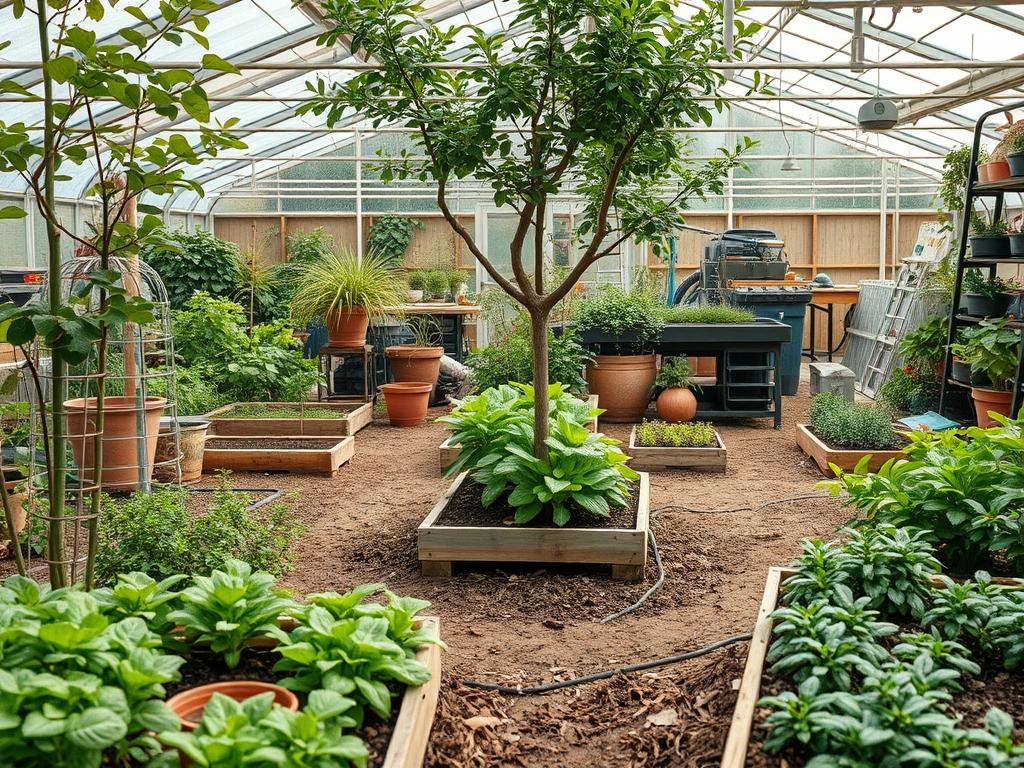
Selecting the right canopy for a residential landscape requires more than an aesthetic preference for a specific leaf shape or autumn color; it is a fundamental exercise in site engineering. A well placed tree functions as natural climate control for the home, potentially reducing cooling costs by up to thirty percent during peak summer months. Beyond energy efficiency, Backyard Shade Tree Selection dictates the long term spatial dynamics of the outdoor environment. It influences where we walk, where children play, and how privacy is maintained against neighboring structures. Architects view the tree as a permanent structural element, much like a wall or a roof, but one that evolves over decades. Success depends on understanding your local USDA hardiness zone, the specific microclimate of your lot, and the eventual height and spread of the species in question. When we plan these environments, we look at the tree not just as an individual specimen, but as the primary anchor of the entire backyard ecosystem. It affects the sunlight available for the turf below, the moisture levels in the soil, and the structural integrity of nearby hardscaping.
Choosing the wrong species can lead to expensive infrastructure repairs or a tree that outgrows its intended purpose within a few years. Landscape architects often see homeowners make the mistake of prioritizing fast growth over structural strength. While a fast growing tree provides shade sooner, it often possesses brittle wood that is susceptible to storm damage. Conversely, a slow growing hardwood like an Oak offers a legacy of stability and shade for generations. The selection process must balance immediate gratification with long term property value. We must also consider the curb appeal impact, where a properly scaled canopy frames the house rather than obscuring it. By treating the tree as an investment in green infrastructure, the homeowner ensures a functional, beautiful, and sustainable outdoor living space.
Landscape Design Principles
Planning a backyard starts with the concept of visual balance and spatial hierarchy. Symmetry is often used in formal designs, where identical trees are planted to frame a doorway or a walkway, creating a sense of order and grandeur. However, most modern backyard designs favor asymmetrical balance. This involves placing a large shade tree on one side of the lot and balancing its visual weight with a grouping of smaller understory trees or a series of retaining walls and shrubs on the opposite side. Focal points are essential; the primary shade tree often serves as the centerpiece of the “outdoor room,” providing a ceiling of foliage that makes the space feel intimate and sheltered.
Elevation and layering are equally critical. A professional design includes three distinct levels: the canopy layer provided by large shade trees, the mid-story layer consisting of ornamental trees or tall shrubs, and the ground layer featuring perennials and mulch. This layering mimics natural forests and provides aesthetic depth. We also consider solar orientation. Deciduous trees are strategically placed on the southern and western sides of the home to provide shade in the summer while allowing sun to warm the house in the winter after the leaves fall. Finally, site circulation must be planned around the tree. One must account for the drip line, the area directly under the outer circumference of the tree branches, where water naturally sheds. This area should remain clear of heavy traffic or impervious surfaces to ensure the root system can breathe and absorb moisture.
Plant and Material Selection
The following table outlines popular species frequently utilized in Backyard Shade Tree Selection across various temperate climates.
| Plant Type | Sun Exposure | Soil Needs | Water Demand | Growth Speed | Maintenance Level |
| :— | :— | :— | :— | :— | :— |
| Quercus virginiana (Live Oak) | Full Sun | Well-drained / Sandy | Moderate | Slow-Medium | Moderate |
| Acer rubrum (Red Maple) | Full to Part Sun | Moist / Acidic | High | Fast | Low |
| Ginkgo biloba (Autumn Gold) | Full Sun | Adaptable / Loamy | Medium | Slow-Medium | Low |
| Liriodendron tulipifera (Tulip Tree) | Full Sun | Deep / Rich | Medium-High | Very Fast | High |
| Zelkova serrata (Japanese Zelkova) | Full Sun | Adaptable / Clay | Medium | Medium | Low |
| Ulmus americana (American Elm) | Full Sun | Moist / Rich | Medium | Fast | Moderate |
When selecting materials to accompany these trees, mulch is the most vital component. Wood chips or shredded bark should be applied in a broad circle around the base of the tree to regulate soil temperature and retain moisture. For hardscaping near trees, permeable pavers are preferred over solid concrete to allow gas exchange to the roots. Irrigation components, such as drip lines or bubblers, should be installed at the time of planting to ensure the root ball receives deep, localized watering during the establishment phase.
Implementation Strategy
A successful backyard layout begins with professional grading. Before any tree enters the ground, the land must be sloped to ensure that water moves away from the home foundation while not pooling at the base of the new plantings. Excessive water at the root flare can lead to fungal rot. Once the grade is established, the layout of walkways and patios should be marked using landscape stakes or marking paint. This allows the architect to visualize how the tree canopy will interact with the “high traffic” areas of the yard.
When it is time to plant, the hole must be dug significantly wider than the root ball, usually two to three times the diameter, but no deeper than the root ball itself. Planting too deep is a leading cause of tree failure. The soil should be amended with organic compost only if the native soil is severely compacted or nutrient deficient. After the tree is set, a layer of mulch should be applied to a depth of 3 inches, making sure to keep the mulch away from the trunk itself to prevent bark decay. Drainage is often enhanced by installing French drains or dry creek beds if the backyard has a high water table. These elements can be integrated into the design as aesthetic features using river rock and boulders, bridging the gap between functional engineering and artistic landscaping.
Common Landscaping Failures
The most frequent error in Backyard Shade Tree Selection is improper spacing. Homeowners often plant trees too close to the house, forgetting that a small sapling may eventually have a 50 foot canopy spread. This leads to roots interfering with the foundation and branches damaging the roof. Another major failure is neglecting the utility lines. Both overhead power lines and underground sewer or gas pipes must be mapped before digging. Planting a silver maple over a septic line is a recipe for expensive plumbing failures, as the aggressive roots will seek out the moisture in the pipes.
Soil compaction is another silent killer of backyard trees. During construction or hardscaping, heavy machinery often packs the soil so tightly that oxygen can no longer reach the roots. A lack of proper irrigation planning also leads to failure; many people assume that the lawn sprinters will provide enough water for a tree, but lawn systems usually only wet the top few inches of soil. Trees require deep, infrequent watering to encourage their roots to grow downward rather than upward toward the surface. Finally, the “mulch volcano” is a common sight in poorly managed landscapes. Piling mulch up against the trunk traps moisture against the bark and creates a bridge for wood boring insects.
Seasonal Maintenance
Landscape management is a year round commitment that changes with the weather. In the Spring, the focus is on fertilization and monitoring for new growth. We recommend a slow release nitrogen fertilizer and a fresh application of mulch to prepare for the summer heat. This is also the time to inspect the irrigation system for leaks or clogged emitters. As the season transitions into Summer, the priority shifts to hydration. Young trees may need up to 20 gallons of water per week during heat waves. Deep soaking at the drip line is more effective than daily light misting.
During the Autumn, the primary task is leaf management and soil preparation. While fallen leaves can be mulched back into the turf to provide nutrients, they should be cleared away from the trunk of the tree to prevent pests from overwintering there. This is also the best time of year to plant new shade trees, as the cooler temperatures and increased rainfall allow roots to settle before the dormant season. Finally, in Winter, structural pruning should be performed. Since the leaves are gone, the branch architecture is visible, making it easier to identify crossing branches or weak crotches. Removing dead or diseased wood during the dormant phase minimizes stress on the tree and prepares it for a vigorous spring flush.
Professional Landscaping FAQ
How far from the house should I plant a shade tree?
General guidelines suggest planting large shade trees at least 20 feet from the foundation. Smaller ornamental trees can be placed closer, roughly 10 feet away. This prevents root interference and keeps heavy branches from overhanging the roof.
What is the best way to water a newly planted tree?
A new tree requires deep saturation to reach the entire root ball. Use a 5 gallon bucket with small holes or a dedicated tree watering bag. Apply water slowly twice a week to ensure the moisture reaches 12 inches deep.
Does mulch really matter for shade tree health?
Yes, mulch is essential. It suppresses weeds that compete for nutrients, retains soil moisture, and protects the trunk from accidental mower damage. Use organic wood chips and maintain a 3 inch depth while keeping the root flare exposed.
Should I stake my new shade tree for support?
Staking is only necessary in very windy sites or for trees with weak root balls. If you do stake, use flexible ties and remove them after one growing season. Allowing the tree to sway slightly actually strengthens the trunk through tension.
Can I plant a shade tree in heavy clay soil?
Many species, such as the Zelkova or River Birch, tolerate clay. However, you must ensure the planting hole is wide and that you do not overwater. Consider planting the tree slightly “high” to improve drainage around the root flare.