
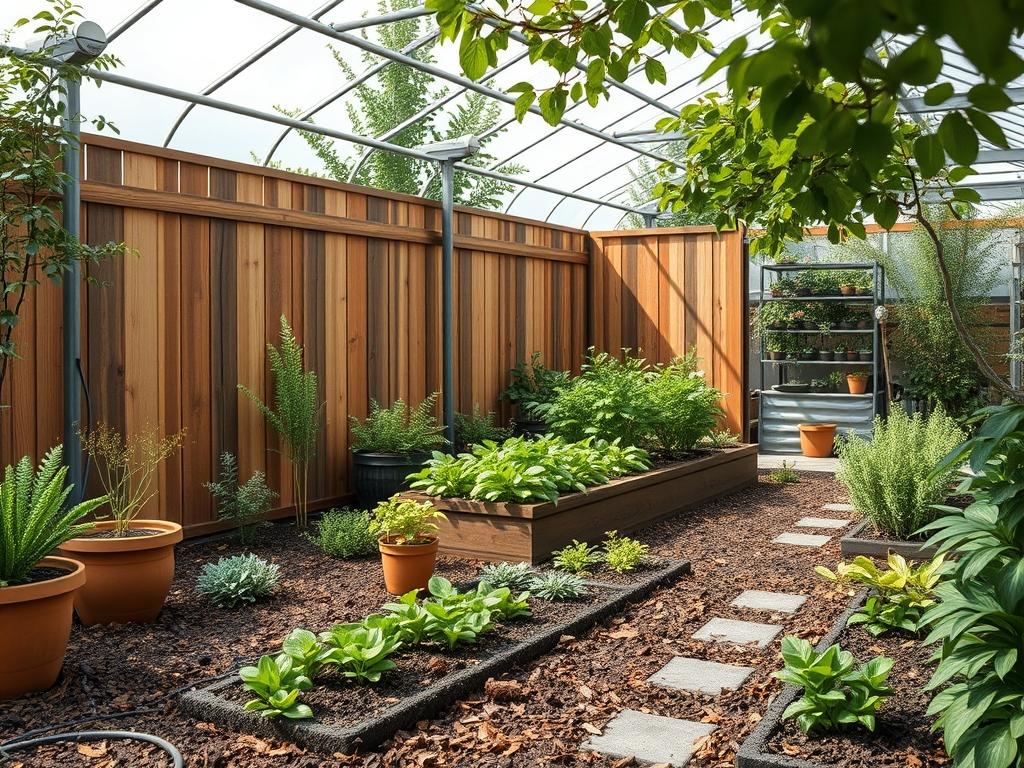
Designing a high end outdoor space requires more than just a collection of plants; it demands an architectural backbone that provides structure and seclusion. Modern wood privacy fences serve as this critical threshold, acting as both a visual anchor and a functional barrier against urban noise or wind exposure. When selecting a fencing system, the landscape architect must consider the site topography, local climate zones, and existing soil conditions. A well designed fence does not simply block a view. It defines the outdoor room, creates a backdrop for ornamental foliage, and dictates the flow of movement throughout the property. Homeowners must balance the desire for privacy with the need for airflow and natural light penetration. Choosing the right materials, such as Western Red Cedar, Ipe, or Douglas Fir, ensures that the structure persists through harsh seasonal cycles while maintaining its aesthetic integrity. By integrating these vertical elements into a cohesive site plan, you transform a standard backyard into a sophisticated sanctuary that prioritizes both form and function.
As modern architecture tends toward clean lines and geometric shapes, the landscape must follow suit. Modern wood privacy fences often utilize horizontal orientation to elongate the perceived width of a garden. This visual trick is particularly effective in smaller urban lots where space is at a premium. The strategic use of spacing between slats can vary the degree of transparency, allowing a soft filtered light to reach the interior garden while still providing a sense of enclosure. Beyond mere aesthetics, these structures must be engineered to withstand lateral wind loads. This is especially true in open coastal areas or high elevation properties. The placement of the fence also impacts the microclimate of the garden. A solid barrier can create a dead air zone that traps heat in the summer, whereas a slatted design encourages cross ventilation. This ventilation is vital for the health of nearby plant life and the comfort of human occupants during the warmer months.
Landscape Design Principles
Symmetry and repetition are the hallmarks of contemporary landscape aesthetics. When planning the installation of modern wood privacy fences, ensure that the fence alignment complements the primary architectural lines of the residence. This creates a sense of intentionality and visual harmony. Designers should identify focal points within the yard, such as a custom water feature, a modern fire pit, or a specimen plant like a Japanese Maple, which will stand out dramatically against the warm, organic texture of a wood backdrop.
Elevation changes require careful handling to maintain the sleek appearance of modern fencing. Rather than follows the grade in a jagged, stepped fashion, consider a custom sloping rail or a level top edge that accommodates the ground slope at the bottom. This approach maintains a clean horizon line. Irrigation planning must be done in tandem with the fence design. Never place high volume sprayer heads where they will directly impact the wood. Instead, utilize drip irrigation lines buried beneath a layer of hardwood mulch to deliver water directly to the root zones of perimeter plantings. This prevents water staining and premature rot on the planks. Furthermore, walkways should maintain a minimum of 36 inches of clearance from the fence to allow for comfortable transit and easy access for future staining or repairs. Use a laser level during the layout phase to ensure that all horizontal slats are perfectly true, as even a minor deviation is amplified over a long span.
Plant and Material Selection
The following table provides a guide for selecting plant species that complement the clean lines of modern wood privacy fences while thriving in a variety of conditions.
| Plant Type | Sun Exposure | Soil Needs | Water Demand | Growth Speed | Maintenance Level |
| :— | :— | :— | :— | :— | :— |
| Bamboo (Clumping) | Full Sun to Part Shade | Loamy, Well-Drained | Moderate | Fast | Medium |
| Sky Rocket Juniper | Full Sun | Sandy or Clay | Low | Moderate | Low |
| Karl Foerster Grass | Full Sun | Versatile | Low to Moderate | Fast | Low |
| Star Jasmine | Part Shade to Sun | Rich, Organic | Moderate | Moderate | Medium |
| Boxwood (Green Tower) | Full Sun to Shade | Well-Drained | Moderate | Slow | High |
| Japanese Forest Grass | Part Shade to Shade | Moist, Humus-Rich | Medium | Slow | Low |
Implementation Strategy
The foundation of any successful landscape project begins with proper grading and site preparation. Before installing the first post, verify the property boundaries and check for underground utility lines using a digital line locator. To ensure long term stability, fence posts should be set at a depth of at least 24 to 36 inches, depending on the local frost line. Use a post hole auger to achieve a consistent diameter for every hole. Proper drainage is non negotiable; slope the soil away from the base of the fence to prevent standing water accumulation.
When installing modern wood privacy fences, consider a gravel trench or a French drain along the perimeter to manage heavy runoff. Edging materials, such as powder-coated steel edging or poured concrete curbing, create a crisp transition between the turf and the planting beds adjacent to the fence. Apply a hardwood mulch at a depth of 3 inches to suppress weeds and retain moisture, but keep it a few inches away from the wood posts to prevent fungal growth. For the assembly, use a pneumatic nailer with 316 grade stainless steel nails to prevent the black rust streaks commonly caused by standard fasteners. If you are using dense hardwoods like Ipe, you must pre drill every hole with a high speed steel drill bit to avoid splitting the timber.
Common Landscaping Failures
Many high end projects fail over time due to inadequate subsurface preparation. Soil compaction is a frequent issue that leads to poor root development and water pooling near structural elements. If the soil becomes too dense, the fence posts may shift or lean as the ground undergoes freeze and thaw cycles. Root overcrowding occurs when fast growing species are planted too close to the fence line. As the trunks and root systems of trees like Leyland Cypress expand, they can exert thousands of pounds of pressure, eventually warping or lifting the fence panels.
Improper spacing between wood slats can also cause secondary issues. If the slats are placed too close together without accounting for natural expansion, they may buckle during humid seasons. Additionally, restricted airflow creates a humid microclimate that encourages the growth of mold and mildew on both the wood and the foliage. Another frequent mistake is the use of non galvanized hardware. Using low quality screws will lead to unsightly rust streaks that map the path of rainwater down the wood surfaces. Always specify hot-dipped galvanized fasteners or stainless steel to ensure the longevity of the installation. Finally, neglecting the soil pH can lead to plant failure; some pressure treated woods leach alkaline chemicals that can harm acid loving plants like Azaleas or Blueberries.
Seasonal Maintenance
Seasonal management is the key to preserving the beauty of modern wood privacy fences and the surrounding landscape. Spring is the ideal time for an annual structural inspection. Check all hardware for tightness and look for signs of wood rot or insect damage at the ground level. Use a soft-bristled brush and a mild oxygen bleach solution to remove organic debris, pollen, and cobwebs from the slats.
During the summer, monitor the performance of your irrigation controller to ensure that spray heads have not shifted. If water is hitting the fence, adjust the nozzles immediately. Autumn requires the diligent removal of leaf litter from the base of the fence. Wet leaves act as a sponge, holding moisture against the wood and inviting rot. As winter approaches, prune any overhanging branches that could break under heavy snow loads and damage the horizontal slats. Applying an UV resistant oil-based stain or a penetrating sealer every two to three years will preserve the natural color of the wood and provide a vital hydrophobic barrier. If the wood has already grayed, a wood brightener containing oxalic acid can often restore the original warmth of the grain before you reapply the finish.
Professional Landscaping FAQ
Which wood species is best for a modern fence?
Western Red Cedar is the industry standard due to its natural resistance to rot and insects. For a more premium, durable option, Ipe offers extreme density and a lifespan exceeding forty years when properly maintained with UV oils.
How do I prevent my fence from leaning over time?
Ensure all posts are set at least 36 inches deep in high strength concrete. Use a gravel base at the bottom of the post hole to allow for drainage, which prevents the wood from sitting in water and rotting.
Can I grow climbing vines on a modern wood fence?
Yes, but use a stainless steel cable trellis system offset from the wood by 2 inches. This prevents the vines from clinging directly to the boards, which traps moisture and accelerates the decay of the wood fibers.
What is the ideal slat spacing for a privacy fence?
For total privacy, a 1/8 inch gap allows for wood expansion while blocking the view. For a modern, airy aesthetic, a gap of 1/2 inch to 1 inch creates beautiful shadow lines and improves garden airflow.
How do I clean rust stains off my wood fence?
Rust stains are usually caused by inferior fasteners. Scrub the area with a solution of oxalic acid and water. Once the stain is removed, replace the offending screws with 316 grade stainless steel to prevent the issue from recurring.