
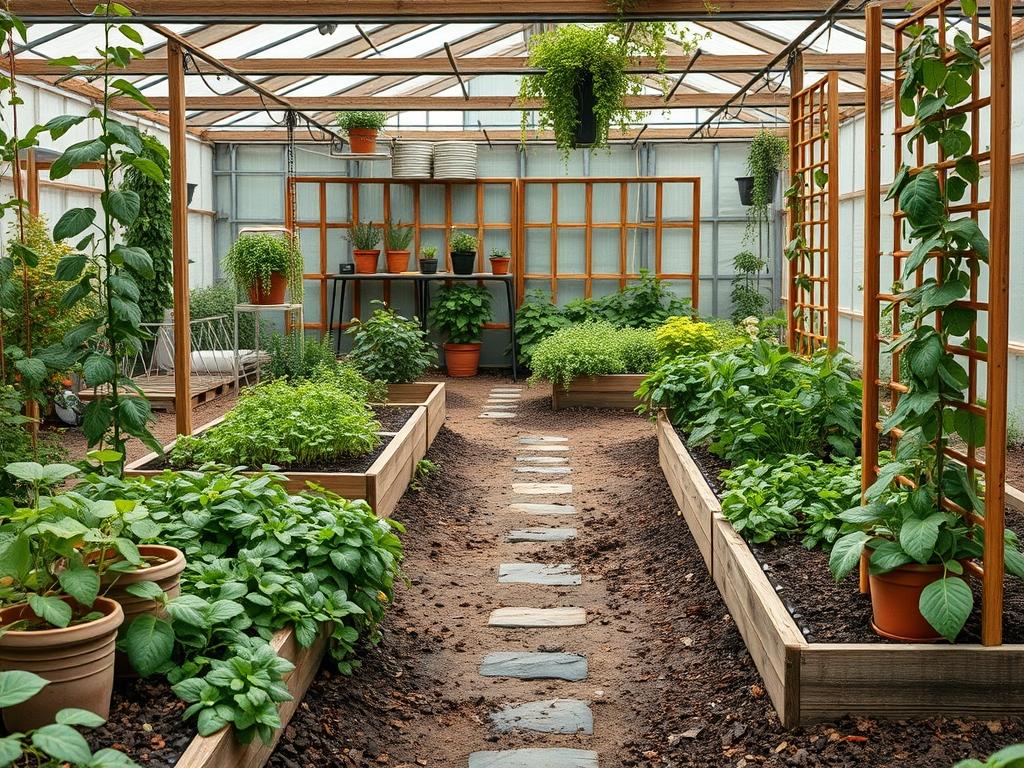
Vertical gardening represents a sophisticated intersection of agricultural utility and aesthetic refinement within modern landscape architecture. When considering the best backyard pea trellis designs, a professional consultant must look beyond mere functionality to evaluate how these structures interact with the prevailing wind, sun exposure, and the overall architectural language of the home. Integrating vertical elements like trellises allows for the maximization of square footage in smaller suburban plots while introducing a necessary vertical layer to the landscape. This elevation change breaks the monotony of flat lawn surfaces and provides a visual anchor that can frame views or screen unwanted sightlines. Sturdy designs are paramount, especially in regions prone to high-speed gusts or heavy seasonal rains, where a flimsy support system might collapse under the weight of mature vines and saturated foliage.
The success of a climbing garden depends heavily on the structural integrity of the supports and their placement within the broader environment. Peas, specifically those in the Pisum sativum family, require cooling breezes and consistent sunlight to thrive without succumbing to powdery mildew. By lifting these plants off the ground, a designer effectively creates a three-dimensional tapestry that benefits from increased air circulation and easier pest management. From a functional standpoint, a well-executed trellis reduces the physical strain of harvesting, bringing the produce to eye level and ensuring that the backyard remains an accessible, ergonomic space for homeowners of all ages.
Landscape Design Principles
When integrating a backyard pea trellis into a master plan, symmetry and focal points serve as the foundation of the visual hierarchy. A singular, tall trellis positioned at the terminus of a stone walkway creates a compelling destination within the garden, drawing the eye forward and encouraging exploration. In more formal landscapes, mirrored trellises on either side of a central axis provide a sense of classical order and balance. These structures should complement the existing materials of the residence, utilizing similar wood species or metal finishes to ensure the garden feels like an extension of the indoor living space rather than a disjointed afterthought.
Elevation layers are another critical consideration for the landscape architect. By incorporating a trellis that stands 6 feet to 8 feet tall, you introduce a mid-tier canopy that bridges the gap between low-lying groundcovers and taller perimeter trees. This layering technique creates a sense of enclosure and privacy, turning a standard backyard into an intimate outdoor room. Furthermore, irrigation planning must be integrated into the structural design. Subsurface drip irrigation lines should be routed along the base of the trellis to ensure precise moisture delivery directly to the root zones, prevents water waste, and keeps the foliage dry to minimize fungal issues.
Visual balance also requires a thoughtful approach to the “weight” of the materials used. A heavy, wrought iron trellis might overwhelm a delicate planting of sweet peas, whereas a light jute twine net might look insignificant against a massive stone retaining wall. The designer must match the scale of the support to the surrounding hardscape elements, ensuring that the trellis provides enough structural presence to remain attractive even during the winter months when the vines have been cleared away.
Plant and Material Selection
Selecting the right combination of botanical species and construction materials is the hallmark of a durable landscape. The following table outlines the requirements for common climbing plants and the materials best suited for their support.
| Plant Type | Sun Exposure | Soil Needs | Water Demand | Growth Speed | Maintenance Level |
| :— | :— | :— | :— | :— | :— |
| Sugar Snap Peas | Full Sun | Loamy, well-drained | Moderate | Fast | Low |
| Oregon Sugar Pod II | Full Sun | Nitrogen-rich | High | Medium | Medium |
| Mammoth Melting Snow | Partial Shift | Compost-heavy | Moderate | Very Fast | High |
| Sweet Peas (Floral) | Full Sun | Neutral pH | High | Fast | Medium |
| Garden Shelling Peas | Full Sun | Loose, sandy loam | Consistent | Medium | Low |
For the structural components, cedar 4×4 posts are frequently recommended due to their natural resistance to rot and insects. When paired with galvanized cattle panels or heavy-duty nylon netting, these posts create a rigid frame that can withstand significant tension. For a more industrial or contemporary look, rebar or powder-coated steel frames offer longevity and a slim profile that disappears as the vines grow.
Implementation Strategy
The construction process begins with a thorough site analysis to assess grading and drainage. A backyard pea trellis must be installed on level ground or a properly terraced surface to prevent the structure from leaning over time. Use a post hole digger to create footings at least 24 inches deep, ensuring they sit below the frost line in colder climates. Filling the base of these holes with crushed gravel before pouring concrete or tamping down soil will facilitate drainage away from the wood, significantly extending the life of the posts.
Once the uprights are secure, the horizontal support material is attached. If using cattle panels, secure them with galvanized staples or heavy-duty zip ties every 12 inches to prevent sagging. For designs utilizing jute twine, install eye bolts at the top and bottom of the frame to create a sturdy lacing system. The tension should be tight enough to support the weight of a full crop but flexible enough to allow for slight thermal expansion and contraction.
After the structure is standing, attention shifts to the soil and surrounding environment. Install aluminum edging or steel landscape edging around the base to create a clean perimeter that prevents lawn grass from encroaching on the pea roots. A layer of natural cedar mulch or pine bark should be applied to a depth of 3 inches across the planting zone. This mulch layer regulates soil temperature, suppresses weeds, and retains moisture, which is vital for the shallow root systems of climbing legumes.
Common Landscaping Failures
One of the most frequent mistakes in backyard garden planning is ignoring the impact of soil compaction. During the construction of a trellis, heavy foot traffic around the base can crush soil macropores, leading to poor drainage and stunted root growth. To avoid this, designers should specify the use of temporary plywood walkways during installation or plan the harvest walkways using flagstone or pavers before the trellis is erected.
Another common failure is the use of undersized materials that cannot handle the systemic load. While a bamboo stake might seem sufficient for a young seedling, a mature Mammoth Melting pea vine can become surprisingly heavy, especially when drenched by summer thunderstorms. Structures that lack cross-bracing or deep-set footings often lean or buckle, ruining the visual symmetry of the garden and potentially damaging the plants. Furthermore, improper spacing between the trellis and adjacent walls can restrict airflow, creating a microclimate that facilitates the spread of pests like aphids and spider mites. A minimum gap of 6 inches is generally recommended for wall-mounted units.
Seasonal Maintenance
Maintenance requirements fluctuate with the transition of the seasons, requiring a proactive approach to preserve both the plants and the hardware. In the spring, the primary focus is on soil preparation and structural inspection. Check all fasteners, screws, and brackets for signs of rust or loosening. Amend the soil with high-quality compost and ensure the drip irrigation emitters are clear of debris.
As the summer progresses, the task shifts to vine management and hydration. Ensure that the young tendrils are properly catching the wire mesh; sometimes light assistance with soft garden ties is necessary to guide them upward. Autumn brings the harvest’s end and the necessity of sanitation. Remove all dead plant material promptly to prevent pathogens from overwintering in the debris. This is also the ideal time to apply a fresh coat of UV-resistant sealant to any wood components. During the winter, the bare trellis becomes a sculptural element. In regions with heavy snow, ensure that any polypropylene netting is removed or cleared of snow loads to prevent stretching or tearing.
Professional Landscaping FAQ
What is the best material for a long-lasting trellis?
Pressure-treated timber or western red cedar combined with galvanized steel mesh provides the best balance of durability and aesthetics. These materials resist rot and can support the heavy weight of mature vines for many consecutive growing seasons.
How deep should trellis posts be buried?
Posts should be anchored at least 24 inches deep to ensure stability against wind and crop weight. In colder regions, extending the post below the local frost line prevents heaving and maintains the vertical alignment of the structure over time.
Can I grow peas on a trellis in partial shade?
While peas prefer full sun, certain varieties like snow peas can tolerate partial shade. However, ensure the trellis is positioned to receive at least 6 hours of light. Lack of sun often results in leggy growth and reduced yields.
How do I prevent the trellis from rotting at the base?
Utilize concrete pier blocks or a gravel drainage layer at the bottom of the post hole. This prevents standing water from sitting against the wood. Applying a copper-based wood preservative to the buried portion of the post also adds protection.
Is it necessary to rotate the location of the trellis?
To prevent soil-borne diseases, it is wise to rotate legumes every three years. Using a modular trellis design with ground spikes allows you to move the structure easily throughout the landscape while maintaining a consistent design aesthetic.