
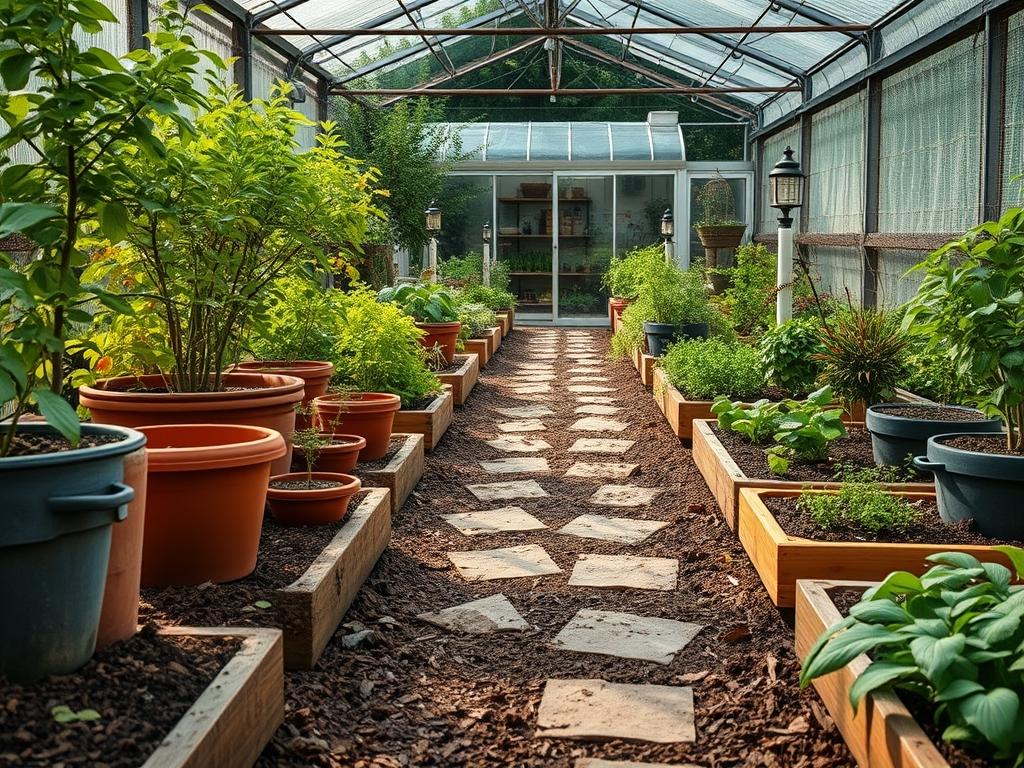
Navigating a residential landscape after sunset should act as an experience of discovery rather than a hazardous trek through the shadows. While the functional purpose of Backyard Pathway Lighting Tips often begins with basic safety, a professional architect views illumination as a critical layer of structural design that extends the home’s interior logic into the natural world. Beyond preventing trips and falls, strategic lighting enhances curb appeal and increases the square footage of usable living space by making the garden accessible twenty-four hours a day. Effective planning requires a deep understanding of how light interacts with varied textures, from the rough bark of a mature oak to the smooth surface of flagstone pavers. In diverse climates, where fog, rain, or snow can obscure visibility, the integration of light becomes a matter of engineering. A successful lighting scheme balances the biological needs of the flora with the navigational needs of the human residents, ensuring that the outdoor environment remains vibrant, secure, and visually harmonious regardless of the hour.
Landscape Design Principles
Professional garden design relies on a series of foundational concepts that dictate how space is perceived and moved through. Symmetry and balance are paramount; however, these do not always require identical arrangements on either side of a path. A large weeping willow on the left can be balanced by a cluster of smaller evergreen shrubs and a well-placed bollard light on the right. This creates a visual equilibrium that guides the eye naturally toward a focal point, such as a water feature or a sculptural bench. When considering Backyard Pathway Lighting Tips, the architect must account for elevation layers. Low-level path lights illuminate the ground plane, while mid-level wash lights brighten shrubbery, and high-level moonlighting fixtures tucked into tree canopies provide a gentle, ambient glow over the entire scene.
Practicality must coexist with aesthetics. This involves rigorous irrigation planning to ensure that lighting fixtures are not placed in the direct line of high-pressure sprinkler heads, which can lead to mineral buildup on lenses or premature seal failure. Walkways should be wide enough for two people to walk side by side, typically measuring at least 48 inches in width. This ensures that light fixtures can be set back slightly from the edge of the hardscaping, protecting them from damage by string trimmers or foot traffic. Designers also use lighting to emphasize retaining walls and changes in grade, using recessed step lights to signal a transition in elevation. This layers the visual experience, ensuring the garden does not appear as a flat, two-dimensional plane at night.
Plant and Material Selection
Choosing the right greenery and hard materials is essential for a lighting-focused landscape. Plants with interesting silhouettes or translucent leaves provide the best results when backlit.
| Plant Type | Sun Exposure | Soil Needs | Water Demand | Growth Speed | Maintenance Level |
| :— | :— | :— | :— | :— | :— |
| Japanese Forest Grass | Partial Shade | Humus-rich, Moist | Moderate | Slow | Low |
| Boxwood ‘Green Velvet’ | Full Sun to Shade | Well-Drained, Loamy | Moderate | Slow | Medium (Trimming) |
| Liriope Muscari | Full Sun to Shade | Adaptable, Sandy | Low | Fast | Low |
| Creeping Thyme | Full Sun | Sandy, Gritty | Low | Moderate | Low |
| Hostas | Shade | Moist, Fertile | Moderate | Moderate | Medium (Cleanup) |
| Blue Star Creeper | Full Sun to Partial | Moist, Well-Drained | Moderate | Moderate | Low |
For hardware and materials, professional installations favor solid brass or copper fixtures over plastic or aluminum, as they weather naturally and withstand soil acidity. Incorporating pea gravel or decomposed granite along the edges of paths can offer a reflective surface that bounces light upward, softening the overall effect. Furthermore, the use of organic cedar mulch around the base of plants helps retain moisture while providing a dark, neutral backdrop that allows the illuminated foliage to stand out.
Implementation Strategy
The transition from a design concept to a physical installation requires a methodical approach. First, perform a thorough site analysis to identify drainage patterns and existing utility lines. The layout should begin with a marking paint or surveyor’s flags to outline the proposed path and light positioning. Staggering lights on alternating sides of the walkway, rather than placing them in perfectly straight, parallel rows, prevents the “runway look” and creates a more natural, inviting rhythm.
Once the layout is confirmed, focus on grading and drainage. A path should have a subtle cross-slope of approximately 2% to allow water to run off into adjacent French drains or bioswales. For the lighting component, a low-voltage transformer (typically 12V to 15V) should be mounted in a discreet but accessible location. Using a trenching tool or narrow spade, dig a channel at least 6 inches deep for the direct-burial wire. To protect the longevity of the system, use heat-shrink connectors for all spice points to prevent moisture ingress. When installing the fixtures, ensure the luminaire stands level. Finally, apply a 3-inch layer of mulch over the disturbed soil to suppress weeds and finalize the aesthetic, ensuring no mulch touches the hot lenses of the fixtures.
Common Landscaping Failures
One of the most frequent errors in garden planning is failing to account for root overcrowding. Planting a maple tree too close to a paved path will eventually lead to root heave, which can crack stones and sever underground electrical lines. Another technical failure is improper spacing of light fixtures, which results in “hot spots” of intense light followed by “black holes” of total darkness. This high contrast makes it difficult for the human eye to adjust, actually decreasing safety rather than increasing it.
Drainage mistakes often lead to the most expensive repairs. If the site is not graded correctly, water will pool around the base of underground junction boxes or the footings of retaining walls, leading to structural instability and electrical shorts. Soil compaction is another silent killer; when heavy equipment is used during installation without subsequent aeration, the soil becomes too dense for roots to penetrate, leading to plant death. Lastly, many homeowners overlook the voltage drop that occurs at the end of a long wire run. Without using a voltmeter to check that each fixture receives the correct power, the lights at the end of the path will appear significantly dimmer than those near the transformer.
Seasonal Maintenance
A landscape is a living entity that requires consistent oversight across all four seasons. In the Spring, the focus is on cleanup and rejuvenation. Check all fixtures for damage caused by winter frosts, clean the lenses with a soft cloth to remove hard water deposits, and prune any overhanging branches that may be blocking the light spread. This is also the time to apply a fresh layer of mulch and inspect the irrigation system for leaks.
During the Summer, rapid plant growth can quickly obscure pathway lights. Regular trimming of ground covers and shrubs is necessary to maintain the intended light patterns. In Autumn, the primary task is leaf management. Accumulated leaves are a fire hazard if they rest against high-output bulbs and can clog drain pipes, leading to the standing water issues mentioned previously. Finally, in Winter, ensure that fixtures are marked with reflective stakes so they are not hit by snowplows or shovels. Check the seals on all outdoor components, as the freeze-thaw cycle can cause materials to contract and expand, potentially compromising the waterproof integrity of the lighting system.
Professional Landscaping FAQ
What is the best color temperature for outdoor lighting?
For residential landscapes, a warm white temperature between 2700K and 3000K is ideal. This range enhances the natural greens and browns of the garden without creating the harsh, medicinal glare associated with higher Kelvin temperatures.
How far apart should pathway lights be placed?
Standard spacing usually ranges between 6 and 8 feet. However, this depends on the beam spread of the fixture. The goal is to have the edges of the light pools overlap slightly to create a continuous path of illumination.
Can I install landscape lighting in high-moisture areas?
Yes, but you must use IP65-rated or higher fixtures and watertight connectors. Ensure the area has proper drainage layers of crushed stone beneath the fixtures to prevent the electrical components from sitting in stagnant water.
What is the benefit of low-voltage systems over line voltage?
Low-voltage (12V) systems are safer for DIY installation, more energy-efficient, and easier to adjust. The cables do not require deep conduit burial, making them less intrusive to the root systems of your ornamental plants.
How do I prevent my path lights from being damaged by the lawnmower?
Install fixtures at least 12 inches away from the edge of turf zones. Alternatively, create a maintenance strip using river rock or cobblestones between the grass and the light to provide a clear buffer for mower blades.