
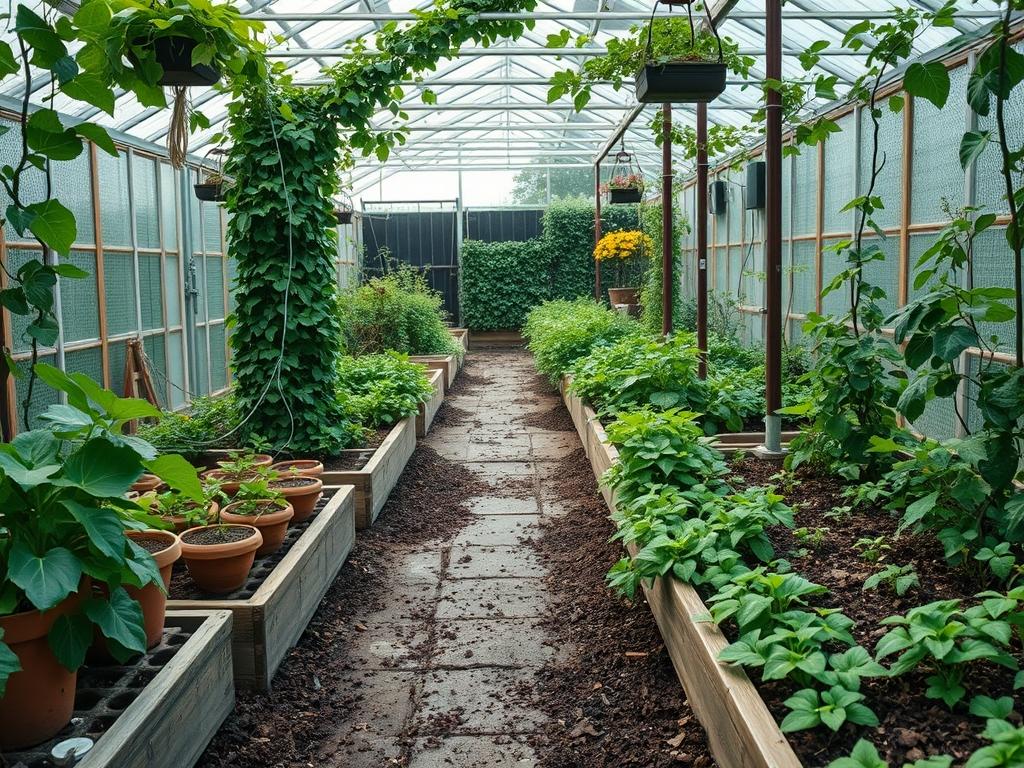
Establishing an ivy screen offers immediate vertical interest and a sense of seclusion, turning a standard perimeter into a lush, living tapestry. However, the botanical reality of maintaining such a feature requires a rigorous approach to Backyard Ivy Screen Trimming. Without a disciplined pruning schedule, a dense wall of greenery can quickly transition from a sophisticated landscape asset to an invasive liability that threatens structural integrity and smothers nearby ornamental specimens. Modern landscape architecture prioritizes the delicate balance between biological growth and structural discipline. When we design these environments, we look beyond the immediate aesthetic. We consider how the foliage interacts with localized humidity, how the weight of the vines impacts supporting masonry, and how the root systems compete for nutrients within the soil profile. A successful ivy screen must be viewed as a dynamic engineering project rather than a static garden element.
The primary goal of a professional ivy management plan is to achieve a dense, uniform appearance while preventing the plant from becoming woody or unmanageable. Curb appeal is significantly enhanced when the edges of the ivy are crisp and the thickness of the foliage is consistent across the entire elevation. From an outdoor functionality perspective, a well maintained screen acts as a natural acoustic buffer and a thermal regulator, cooling the immediate microclimate through evapotranspiration. To reach this level of performance, the homeowner must understand the specific needs of the vine species in relation to the regional climate and the specific orientation of the backyard.
Landscape Design Principles
In the realm of high end residential design, Backyard Ivy Screen Trimming is governed by the principles of Symmetry and Visual Balance. An ivy wall should never appear as a chaotic mass. Instead, it should serve as a clean, green backdrop that highlights specific Focal Points, such as a sculptural Water Feature or a bespoke Retaining Wall. By maintaining a consistent depth of foliage, usually between 4 inches and 8 inches from the support structure, we ensure that the screen provides privacy without encroaching into the usable living space.
Elevation Layers are critical when integrating an ivy screen into a larger garden plan. We rarely advise letting ivy exist in isolation. Instead, we layer the design. A professional layout might include a foundation of Native Plants at the base to soften the transition from the vertical wall to the horizontal plane. Irrigation Planning must be integrated early in the design phase. For ivy screens, a Drip Irrigation system is superior to overhead sprinklers. Subsurface emitters deliver moisture directly to the root zone, which minimizes foliar moisture and reduces the risk of fungal pathogens that thrive in the dense interior of the vine.
Furthermore, Walkways and hardscaped paths should be designed with a clear buffer zone between the masonry and the ivy. We recommend a 6 inch to 12 inch gap maintained with Aluminum Edging or stone pavers. This gap prevents the ivy from “creeping” across the walking surface, which can create tripping hazards and lead to stone staining. By establishing these boundaries during the design phase, the task of trimming becomes a simple matter of maintaining established lines rather than fighting a constant battle for territory.
Plant and Material Selection
| Plant Type | Sun Exposure | Soil Needs | Water Demand | Growth Speed | Maintenance Level |
| :— | :— | :— | :— | :— | :— |
| English Ivy | Shade to Partial Sun | Moist, Well-Drained | Moderate | Fast | High |
| Boston Ivy | Full Sun to Shade | Adaptable, Loamy | Low to Moderate | Fast | Moderate |
| Persian Ivy | Partial Shade | Rich, Organic | Moderate | Moderate | Moderate |
| Algerian Ivy | Partial Sun | Sandy or Clay | Moderate | Fast | High |
| Star Jasmine | Full Sun to Partial | Well-Drained | Moderate | Moderate | Medium |
Implementation Strategy
The process of establishing and maintaining an ivy screen begins with proper Grading. Before the first vine is planted, the land at the base of the support structure must be sloped away from the foundation to ensure effective Drainage. If water pools at the base of an ivy screen, the root system will suffer from anaerobic conditions, leading to root rot and uneven growth patterns. Once the grade is established, we install the Hardscaping components. For an ivy screen, this usually involves a heavy duty timber or metal Trellis capable of supporting hundreds of pounds of wet foliage.
After the structure is secure, soil preparation involves tilling in organic compost to a depth of 12 inches. Once the plants are in the ground, we apply a layer of Hardwood Mulch at a depth of 3 inches. This mulch layer serves three purposes: it suppresses weed competition, retains vital moisture, and provides a clear visual indicator of where the ivy should end and the lawn or path should begin.
For the actual Backyard Ivy Screen Trimming, professionals use a combination of Bypass Pruners for precision cuts and Hedge Shears for plane surfacing. The technique involves more than just cutting the tips. Every year, a “thinning out” process is required. This involves reaching into the interior of the screen and removing older, woody stems to allow light and air to reach the inner layers. This prevents the “hollow” look where the screen is green on the outside but dead and brown on the inside.
Common Landscaping Failures
The most frequent mistake in backyard management is neglecting the Backyard Ivy Screen Trimming until the plant has already compromised the structure. Ivy uses small aerial roots or adhesive disks to climb. Over time, these can penetrate mortar joints in brickwork or trap moisture against wooden fences, leading to accelerated decay. Failure to inspect the support structure annually can lead to a catastrophic collapse during high winds or heavy snow.
Root Overcrowding is another common issue. When too many vines are planted in a small area, they compete for the same pool of nitrogen and micronutrients, resulting in stunted growth and yellowing leaves. Improper Irrigation Inefficiencies also plague many home gardens. If the water is applied too quickly, it runs off the surface of the Soil Compaction zones without ever reaching the deep roots. Professionals solve this by using pressure compensating emitters that release water slowly over several hours. Lastly, improper Spacing during the initial planting often leads to a screen that is too thick in some areas and thin in others, making it impossible to achieve a symmetrical aesthetic.
Seasonal Maintenance
Spring: This is the most critical window for heavy Backyard Ivy Screen Trimming. Before the new growth flush begins, use Loppers to remove any winter damaged vines. Apply a Nitrogen-Rich Fertilizer to encourage vibrant green foliage and check the tension on any support wires.
Summer: During the peak growing season, maintenance is focused on “containment trimming.” You should trim the edges every 4 to 6 weeks to keep the ivy from encroaching on windows, gutters, or neighboring plants. Ensure the Drip Irrigation system is functioning correctly as temperatures rise.
Autumn: As growth slows down, perform a final aesthetic trim. Reach behind the screen to clear out fallen leaves and debris that may have become trapped against the wall. This debris can harbor pests and create a bridge for wood destroying insects if the screen is near the home.
Winter: In colder climates, ivy enters a period of semi-dormancy. This is the best time for structural repairs. With the foliage slightly less dense, you can inspect the Trellis or Retaining Wall for signs of wear. Avoid heavy pruning during extreme freezes, as this can cause the vine to die back further than intended.
Professional Landscaping FAQ
How often does an ivy screen require trimming?
For a clean, formal appearance, you should perform light trimming every month during the growing season. A major structural pruning should occur once annually in early spring to remove woody buildup and promote new, flexible growth.
What are the best tools for maintaining a vertical ivy wall?
Use sharpened Bypass Pruners for detail work and Hedge Shears for the main surface. For tall screens, a Pole Saw or an extendable hedge trimmer is necessary to maintain the top edge safely from the ground.
Can ivy damage my home’s exterior?
Yes, if left unchecked, ivy can pull at siding or penetrate cracks in old mortar. Professional Backyard Ivy Screen Trimming involves keeping the vine at least 12 inches away from wooden window frames, eaves, and shingles to prevent structural damage.
How do I prevent the ivy from spreading into my lawn?
Install a physical root barrier or a deep Aluminum Edging strip at the base of the screen. Regularly use a String Trimmer or spade to edge the border, cutting any runners that attempt to move horizontally across the ground.
Why is my ivy screen thinning at the bottom?
This is usually caused by a lack of sunlight reaching the lower leaves or a lack of internal thinning. Systematic trimming of the upper layers allows light to penetrate downward, encouraging the plant to maintain foliage from the ground up.