
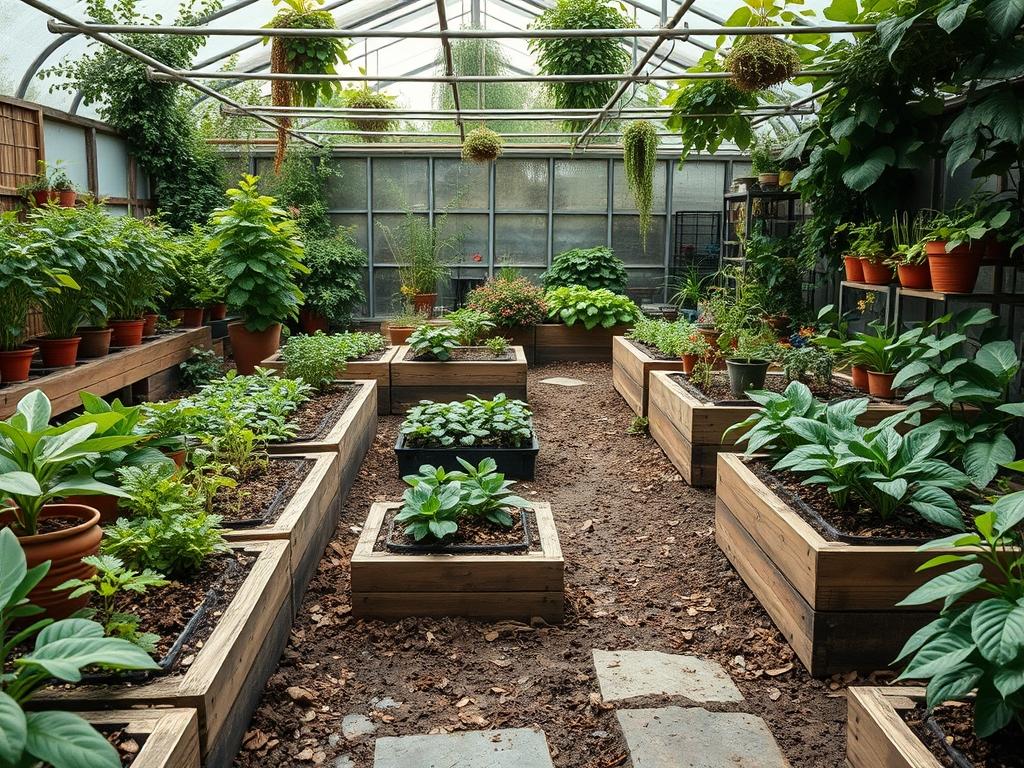
Most homeowners approach backyard design as an additive process, often cluttering the environment with impulsive nursery purchases that lack a cohesive theme. Minimalist backyard layouts demand a more disciplined strategy. This design philosophy focuses on the intentional reduction of visual noise to amplify the serenity and architectural lines of the outdoor space. Achieving a high-end minimalist aesthetic requires a rigorous understanding of site-specific conditions, such as microclimates, existing soil topography, and the specific functional requirements of the residents. A well-executed minimalist design does not just enhance curb appeal; it transforms the outdoor area into a functional extension of the home interior by prioritizing high-quality materials and intentional void spaces. By emphasizing quality over quantity, a landscape architect can create a landscape that feels expansive, luxurious, and remarkably easy to maintain.
The primary challenge in creating minimalist backyard layouts involves balancing starkness with warmth. Without careful planning, a minimalist yard can feel cold or clinical. Professional consultants solve this by integrating natural textures with geometric precision. Functionality is the cornerstone of these designs. Every element, whether it is a seating area or a specimen tree, must serve a purpose. We look at how light moves across the property throughout the day, ensuring that seating areas are shaded during peak heat and that focal points are illuminated by the setting sun. By stripping away extraneous ornamentation, the beauty of the landscape relies on the perfection of its installation and the health of its living components.
Landscape Design Principles
Symmetry and geometric order form the foundation of most minimalist backyard layouts. While traditional gardens may favor organic, flowing curves, modern minimalist designs often utilize straight lines and 90-degree angles to create a sense of structural integrity. This does not mean the space must be perfectly mirrored, but rather that it must achieve a visual balance. If a heavy Steel Planter is placed on the left, it may be balanced by a grouping of Architectural Grasses or a subtle change in ground texture on the right.
Focal points are used sparingly to avoid overwhelming the eye. A single, high-quality Water Feature or a solitary Sculptural Tree acts as an anchor for the entire yard. Elevation layers also play a critical role. Using Retaining Walls to create multi-level terraces can add depth to a flat yard, making a small space feel significantly larger. These walls should be constructed from clean materials like Smooth-Finish Concrete or Honed Basalt.
Irrigation planning must be integrated into the design from the earliest stages. In minimalist layouts, unsightly hoses or spray heads ruin the clean aesthetic. Sub-surface drip irrigation systems are preferred as they deliver water directly to the root zones while remaining completely hidden. Walkways should be designed with Large Format Pavers separated by uniform gaps filled with Mexican Beach Pebbles or Dwarf Mondo Grass, creating a rhythmic “staccato” effect that guides the viewer through the environment.
Plant and Material Selection
| Plant Type | Sun Exposure | Soil Needs | Water Demand | Growth Speed | Maintenance Level |
| :— | :— | :— | :— | :— | :— |
| Karl Foerster Grass | Full Sun | Well-drained | Moderate | Fast | Low |
| Green Velvet Boxwood | Part to Full Sun | Loamy, Neutral | Regular | Slow | Medium |
| Japanese Maple | Partial Shade | Slightly Acidic | High | Slow | Low |
| Dwarf Mondo Grass | Full to Part Shade | Moist, Rich | Moderate | Slow | Low |
| Blue Fescue | Full Sun | Sandy, Poor | Low | Moderate | Low |
| Snake Plant | Shade to Filtered | Well-drained | Very Low | Slow | Very Low |
The choice of materials is just as important as the plant palette. Modern minimalist designs rely heavily on Decomposed Granite, Porcelain Pavers, and Weathering Steel. These materials provide a neutral backdrop that allows the green of the foliage to pop. When selecting plants, the focus should be on form and texture rather than a wide variety of colors. A monochromatic green palette with varying leaf shapes often creates a more sophisticated look than a traditional flower bed.
Implementation Strategy
The transition from a conceptual drawing to a physical landscape requires meticulous preparation. The process begins with grading and site clearing. Proper grading ensures that water flows away from the home foundation and toward designated drainage areas. Using a Laser Level, the installer must ensure that the site is perfectly flat or possesses a consistent slope. Once the grade is established, the installation of 4-inch Corrugated Drainage Pipe and French Drains provides the necessary infrastructure to manage heavy rainfall.
After the infrastructure is in place, hardscaping begins. This is the skeleton of the minimalist layout. Steel Edging is a professional favorite for creating crisp, permanent boundaries between turf, gravel, and planting beds. It prevents the migration of materials and maintains the sharp lines required for this style. When laying Concrete Pavers, a sub-base of Crushed Limestone or Class 5 Gravel must be compacted to 2 inches or 4 inches in depth, depending on the expected load.
Planting should follow a grid or a specific repeating pattern. When installing Boxwood or Grasses, use a Measuring Tape to ensure exact spacing. This precision is what separates a professional minimalist design from a casual DIY project. Finally, applying a consistent layer of mulch is vital. In minimalist designs, we often skip wood mulch in favor of 3/4-inch River Rock or Lava Rock. If wood mulch is used, it should be a fine-textured, dark-colored variety applied at a depth of exactly 3 inches to suppress weeds and retain moisture.
Common Landscaping Failures
The most common failure in minimalist backyard layouts is poor drainage. Because these designs often feature large areas of non-porous hardscaping, water can pool quickly, leading to Soil Compaction and root rot. If the base layers are not correctly installed, pavers will shift and crack over time, destroying the clean lines of the design.
Another frequent mistake is improper plant spacing. Designers often overlook the mature size of a plant, resulting in Root Overcrowding and a cluttered appearance within three to five years. Minimalist gardens require “breathing room” around each plant. Furthermore, neglecting soil health is a silent killer. Even the hardiest Native Plants will struggle if the soil is compacted during construction. Using a Broadfork or Tiller to aerate the soil before planting is essential to ensure long-term vitality. Finally, irrigation inefficiencies, such as uneven water pressure or blocked emitters, can lead to the death of expensive specimen plants, leaving a glaring hole in an otherwise perfect layout.
Seasonal Maintenance
Seasonal management ensures the minimalist aesthetic remains sharp year-round. In Spring, the focus is on pruning and renewal. Cut back Ornamental Grasses to about 6 inches above the ground before new growth emerges. Check the irrigation system for leaks and adjust timers for the warming weather. This is also the time to apply a pre-emergent herbicide to gravel areas to prevent weed seeds from germinating.
Summer maintenance involves monitoring water stress and maintaining edges. Use a Power Edger or Manual Half-Moon Edger to keep the lines between the lawn and the hardscape perfectly sharp. If temperatures exceed 90 degrees, increase the frequency of irrigation for high-water plants like the Japanese Maple.
Autumn is the season for debris management and soil health. Falling leaves can quickly clutter a minimalist space. Use a Leaf Blower or rake to remove organic matter from gravel and pavers to prevent staining and weed growth. This is also an excellent time to add a light layer of organic compost to planting beds to replenish nutrients.
Winter maintenance is primarily about protection. In colder climates, wrap sensitive plants in burlap and clear heavy snow from the branches of Evergreens to prevent breakage. Ensure that any outdoor water lines are blown out and winterized to prevent pipes from bursting during a freeze.
Professional Landscaping FAQ
How do I choose the right paver size for a small yard?
Large format pavers, such as 24×24 inch units, actually make a small space feel larger. They minimize the number of grout lines, creating a smoother, less interrupted visual plane that expands the perceived footprint of the backyard.
What is the best way to prevent weeds in gravel areas?
Install a heavy-duty Non-Woven Geotextile Fabric beneath the gravel. This barrier prevents weed roots from reaching the soil while allowing water to drain. Maintain the area by occasionally spraying a vinegar-based solution or a targeted herbicide on wind-blown seeds.
Can I achieve a minimalist look with high-maintenance plants?
It is possible, but not recommended. Minimalism is about simplicity in both look and care. Using high-maintenance species requires frequent intervention, which can lead to visible tools or debris that disrupt the peaceful, clean environment typical of minimalist backyard layouts.
How deep should my gravel base be for a walkway?
For a stable pedestrian walkway, you need a minimum of 4 inches of compacted base material. This typically consists of Crushed Stone followed by a thinner leveling layer of Sand or Fine Grit before placing the final stones or pavers.
Should I use real grass or artificial turf in minimalist designs?
Artificial turf offers the permanent, emerald-green precision that many minimalist designs require. However, high-quality Zoysia or Fine Fescue can work if you are committed to the strict mowing and edging schedule needed to maintain a carpet-like appearance.