
Integrating a dedicated pet zone into a high-end residential landscape requires a sophisticated balance between utilitarian durability and aesthetic harmony. For many homeowners, the challenge lies in creating a space that allows for high-energy activity without compromising the property’s curb appeal or structural integrity. A well-designed dog run should never feel like a fenced-in afterthought; instead, it should function as an architectural extension of the home, utilizing materials that can withstand the unique pressures of canine traffic while blending seamlessly with contemporary outdoor living trends. When planning your backyard dog run fencing, you must consider local climate stressors, the topographical grade of your lot, and the specific behavioral patterns of your pets. Effective landscaping in this context involves more than just a perimeter; it requires a deep understanding of site drainage, soil compaction, and the visual weight of the materials chosen to define the space.
Landscape Design Principles
Successful dog run integration begins with the principle of visual balance. If your backyard features a heavy, dark-toned stone patio on one side, a light-colored vinyl fence on the opposite end may create a jarring lack of symmetry. We recommend using materials that mirror the existing architectural accents of the primary residence. For instance, if the home utilizes steel window frames, incorporating Powder-Coated Aluminum or Wrought Iron fencing provides a cohesive design language. Elevation layers are equally critical. By utilizing Retaining Walls made of Modular Concrete Blocks, you can create a multi-tiered run that manages slope issues while providing a natural physical barrier that discourages digging.
Symmetry does not always mean exact mirroring, rather, it refers to the distribution of visual weight. A heavy Cedar Picket fence can be balanced with substantial plantings of Boxwood or Ornamental Grasses on the exterior side to soften the vertical lines. Furthermore, focal points should be directed away from the dog run’s entrance and toward more decorative elements of the yard. By using Horizontal Slat Fencing made of Composite Boards, you can create a screen that offers privacy from neighbors while maintaining a sleek, modern profile that acts as a backdrop for the rest of your garden.
Plant and Material Selection
The following materials and plants have been selected for their specific ability to withstand the wear and tear associated with large breeds and high-traffic pet environments.
| Plant or Material Type | Sun Exposure | Soil Needs | Water Demand | Growth/Durability | Maintenance Level |
| :— | :— | :— | :— | :— | :— |
| Black Vinyl Chain Link | All | N/A | None | High Durability | Very Low |
| Western Red Cedar | All | N/A | None | Mid Durability | Moderate |
| Tall Fescue | Full/Partial | Well-Drained | Moderate | Fast Growth | High |
| English Lavender | Full Sun | Sandy/Dry | Low | Moderate | Low |
| Tempered Glass Panels | All | N/A | None | High Durability | Moderate |
| Emerald Green Arborvitae | Full/Partial | Loamy | Moderate | Slow/Steady | Low |
For the fencing itself, we recommend the following ten durable materials for high-performance backyard dog run fencing:
1. Black Vinyl-Coated Chain Link: Unlike galvanized steel, the vinyl coating prevents rust and blends into the shadows of the landscape.
2. Western Red Cedar: Naturally rot-resistant and aesthetically warm, though it requires periodic staining.
3. Powder-Coated aluminum: Offers the look of wrought iron without the susceptibility to oxidation.
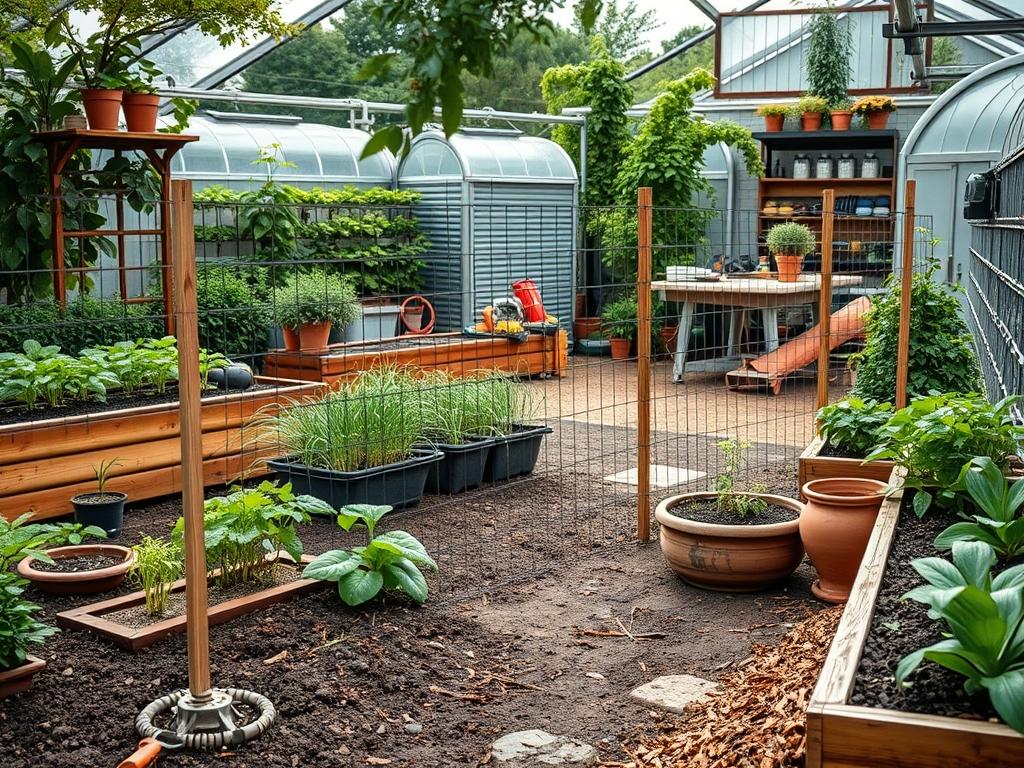
4. Welded Wire with Wood Framing: Often called hog wire, this provides an industrial-modern look with excellent visibility.
5. Reinforced Vinyl Panels: Excellent for nervous dogs that bark at visual stimuli outside the fence.
6. Composite Fencing: Specifically Trex or similar brands that offer splinter-free surfaces and high impact resistance.
7. Steel Picket Fencing: The ultimate in security for large, powerful breeds that might push against weaker structures.
8. Masonry and Stone Walls: A short Fieldstone wall topped with a shorter fence creates a permanent, indestructible boundary.
9. Tempered Glass Balustrades: Ideal for preserving luxury views while keeping smaller pets safely contained.
10. Bamboo Pole Fencing: When reinforced with a steel frame, this offers a sustainable and visually organic screening option.
Implementation Strategy
Planning the layout of a dog run involves more than just pounding posts into the ground. A professional installation begins with the Post Hole Digger and a clear understanding of the frost line in your region. Posts should be set at least 24 to 36 inches deep and anchored with High-Strength Concrete to ensure they do not lean over time due to soil shifting or dog impact. Before the fencing goes up, address the Grading of the area. The ground should slope slightly away from the house at a minimum of two percent to prevent water from pooling against the foundation or within the run itself.
Once the perimeter is established, install a French Drain if the area is prone to saturation. This involves a trench filled with Perforated Pipe and Crushed Stone to redirect runoff. Next, consider the ground cover within the run. While Kentucky Bluegrass is beautiful, it often fails under heavy paw traffic. Many professionals opt for a 3-inch layer of Engineered Wood Fiber or Pea Gravel, which provides excellent drainage and is easy to clean. For the edging, use Heavy-Duty Steel Edging to keep the mulch or gravel separated from your garden beds, ensuring a clean line that simplifies lawn mowing.
Common Landscaping Failures
The most frequent mistake in dog run construction is neglecting soil compaction. Continuous running along a fence line compresses the earth, destroying the soil structure and leading to “mud tracks.” If you notice compaction, you must aerate the soil and potentially integrate Permeable Pavers in high-impact zones. Another failure is improper spacing between fence pickets. For small breeds, a gap larger than 3 inches can result in escape or injury; for larger breeds, ensure the fence height is at least 6 feet to prevent jumping.
Irrigation inefficiencies also plague many pet-centric designs. Sprinkler heads placed inside a dog run are often stepped on or chewed. We recommend using Subsurface Drip Irrigation for any plants near the run to keep the equipment out of reach. Additionally, avoid root overcrowding by planting large trees too close to the fence line. Over time, the expanding root systems can heave the fence posts, causing the entire structure to buckle. Always consult a growth chart for species like Red Maple or Oak to ensure their mature root spread won’t interfere with your hardscaping.
Seasonal Maintenance
Landscape management is a year-round commitment. In the spring, inspect the fence for any damage caused by winter ground heave. Tighten any loose Bolts or Fasteners and apply a fresh coat of sealant to wooden components like Pressure-Treated Pine. This is also the time to overseed any thin patches of grass with a hardy variety like Perennial Ryegrass. During the summer, focus on hydration and sanitation. Rinse down stone or vinyl surfaces to remove salt or waste buildup that can cause odors in the heat.
As autumn arrives, clear fallen leaves from the dog run immediately. Damp leaves can harbor mold and make the ground cover slippery and unsanitary. Check the tension on Wire Mesh fences, as metal can contract in cooler temperatures. In the winter, be cautious with de-icing salts. Many traditional salts are toxic to dogs and corrosive to metal fencing. Use pet-safe alternatives or simple Traction Sand. Ensure that snow does not pile up against the fence, as the weight and moisture can lead to premature warping of wood or rust on low-quality metals.
Professional Landscaping FAQ
What is the best ground cover for a dog run?
Pea Gravel or Engineered Wood Fiber are superior choices. They provide excellent drainage, are easy to scoop, and do not get muddy. Avoid cocoa mulch, as it is toxic to dogs if ingested in significant quantities.
How do I prevent my dog from digging under the fence?
Buried an L-Footer made of Galvanized Hardware Cloth at the base of the fence. Extending the mesh 12 inches underground and curving it inward toward the run effectively stops dogs from tunneling out of the enclosure.
Which fencing material requires the least maintenance?
Powder-Coated Aluminum and Reinforced Vinyl are the lowest maintenance options. They do not require painting or staining and only need an occasional wash with a garden hose to remove dirt and debris.
Can I use professional-grade artificial turf in a dog run?
Yes, provided it has a high-flow perforated backing for drainage. You must install a base of Crushed Limestone and use anti-microbial infill to prevent odors. Regular flushing with water is required to maintain hygiene.
How high should a dog run fence be?
For most medium to large breeds, a height of 6 feet is the professional standard. For known jumpers or highly athletic breeds, you may need an Inward-Facing Coyote Roller or an 8-foot custom installation to ensure safety.