
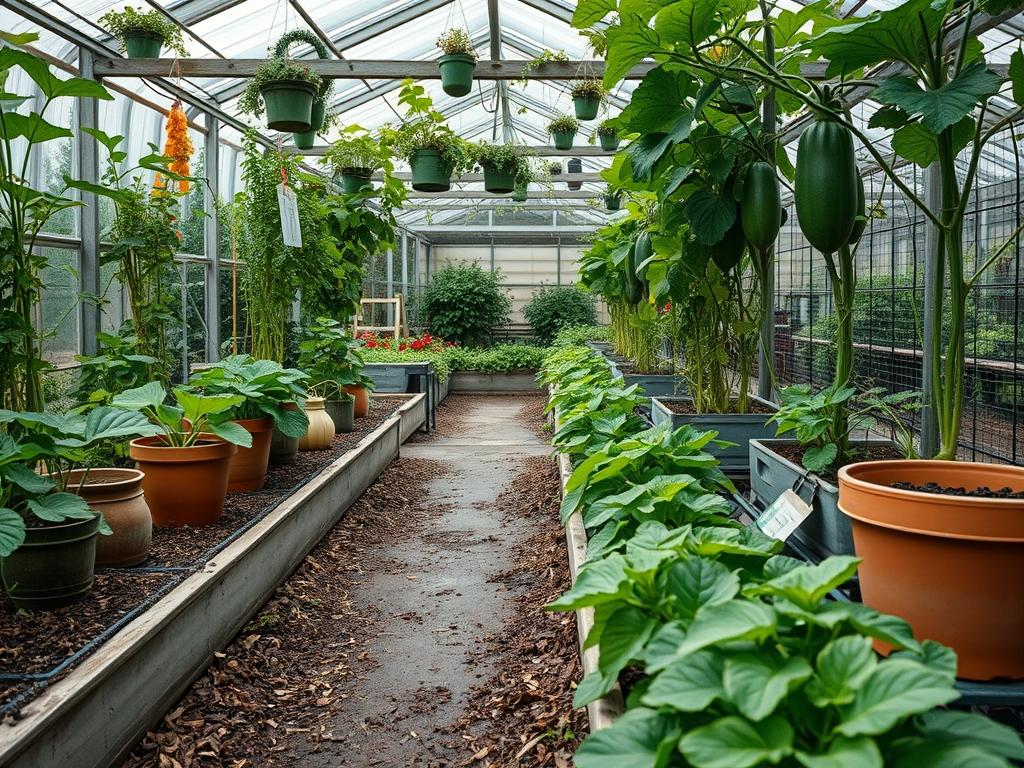
Integrating vertical structures into a residential landscape requires a sophisticated understanding of both engineering and horticulture. When considering Backyard Squash Arch Designs, a homeowner must move beyond the concept of a simple garden stake and instead view the structure as a permanent architectural feature. A well executed arch provides a dramatic focal point, increases the usable square footage of a smaller lot, and solves the perennial problem of ground rot and pest infestation common in trailing cucurbits. These designs are particularly effective in temperate climates where maximizing sun exposure on leaf surfaces is critical for fruit maturation. By lifting heavy vines off the soil, you create a cleaner aesthetic that enhances the overall curb appeal of the property while serving a highly functional role in the domestic food system.
The primary landscape challenge with these structures is weight management. A mature Butternut Squash vine can reach lengths of twenty feet, bearing multiple fruits that weigh several pounds each. Without a rigid foundation, the arch will sag, potentially damaging the harvest or collapsing into a walkway. Therefore, the design must account for the ultimate load-bearing capacity during the peak of the growing season. From a consultancy perspective, we look at the arch as a bridge between the manicured lawn and the productive garden. It serves as a transition zone that defines the outdoor room, providing shade and visual interest even before the vines fully colonize the frame.
Landscape Design Principles
Successful Backyard Squash Arch Designs rely on the core principle of symmetry to create a sense of order. When placing an arch, it should align with an existing sightline, such as a back door or a primary garden path. This positioning ensures the structure feels intentional rather than haphazard. Visual balance is achieved by anchoring the base of the arch with low-growing, Native Perennials or ornamental herbs. This technique hides the often-scruffy lower stems of the squash vines and grounds the vertical element into the wider landscape.
Elevation layers play a vital role in modern garden planning. By introducing an arch, you create a mid-to-high level canopy that breaks the monotony of ground-level beds. This verticality is essential for creating “outdoor rooms,” where the arch acts as a doorway or a living ceiling. Furthermore, irrigation planning must be integrated into the initial layout. Drip irrigation lines should be buried under a layer of Hardwood Mulch at the base of the arch to ensure consistent moisture without wetting the foliage, which is a major factor in preventing powdery mildew. Every design should also consider the “human scale” of the walkway; a minimum width of 48 inches is recommended to allow for comfortable passage and the use of garden carts even when the vines are heavy with fruit.
Plant and Material Selection
Selecting the right materials is the difference between a structure that lasts one season and one that survives a decade. Western Red Cedar and Galvanized Steel are the gold standards for longevity and rot resistance.
| Plant or Material Type | Sun Exposure | Soil Needs | Water Demand | Growth Speed | Maintenance Level |
| :— | :— | :— | :— | :— | :— |
| Butternut Squash | Full Sun | Rich, Loamy | High | Rapid | Moderate |
| Kabocha Squash | Full Sun | Well-Drained | Moderate | Medium | Moderate |
| Cattle Panels | N/A | N/A | N/A | N/A | Low |
| Cedar 4×4 Posts | N/A | N/A | N/A | N/A | Low |
| Delicata Squash | Full Sun | High Organic | Moderate | Fast | Low |
| Tromboncino | Full Sun | Versatile | High | Very Fast | High |
Implementation Strategy
The first step in site preparation is grading the area to ensure the footings are level. If the ground is uneven, the arch will appear skewed and structural integrity will be compromised. Once the site is cleared, mark the four corners of the arch footprint with Lumber Crayons or stakes. For a permanent installation, use a Power Auger to dig holes at least 24 inches deep. Fill these holes with a Quick-Set Concrete Mix to secure the 4×4 Cedar Posts, making sure to use a Level on two sides of every post during the pouring process.
Once the uprights are cured, the most efficient method for creating the overhead curve is using 16-foot Cattle Panels. These heavy-gauge wire panels provide a perfect grid for vine tendrils to grip. Secure the panels to the inside of the wooden posts using Galvanized U-Staples. If the design requires a wider span, two panels can be overlapped and fastened with Steel Zip Ties or wire. After the hardscaping is complete, apply a 3-inch layer of Premium Cedar Mulch around the base to retain moisture and regulate soil temperature. Drainage is equally important; ensure the surrounding soil is sloped away from the posts to prevent water pooling, which can lead to wood rot over time even in pressure-treated lumber.
Common Landscaping Failures
One of the most frequent errors in Backyard Squash Arch Designs is neglecting the wind load. A vine-covered arch acts like a giant sail; if the footings are shallow, a summer storm can topple the entire structure. Professional installations always prioritize deep, concrete-reinforced footings to counteract this leverage. Another common failure is improper spacing. Homeowners often underestimate the vigor of squash plants and crowd the base with too many seeds. This leads to root competition and poor air circulation, which invites disease. A maximum of two plants per side of the arch is a professional standard for health and productivity.
Soil compaction is another silent killer of garden arches. During construction, heavy foot traffic or equipment can compress the earth around the plant zones. This restricts oxygen to the roots and impedes drainage. To avoid this, use temporary Plywood Sheets to walk on during assembly and finish the project by aerating the surrounding beds. Finally, irrigation inefficiencies often plague these designs. Relying on overhead sprinklers is a mistake; the dense leaf canopy of the squash will prevent water from reaching the roots, while simultaneously keeping the leaves wet enough to foster fungal growth. Always install a dedicated Drip Irrigation System with emitters placed directly at the root zone.
Seasonal Maintenance
Maintenance is divided into four distinct phases to keep the landscape looking professional year-round. In Spring, the focus is on structural integrity and soil preparation. Check all fasteners and re-tighten any loose wire. Amend the soil with Organic Compost and a slow-release nitrogen fertilizer to support the initial growth spurt of the vines. This is also the time to check the irrigation lines for leaks or clogs.
Summer maintenance involves active “training” of the plants. Use Soft Garden Twine to guide the main stems up the arch until they begin to self-attach with their tendrils. If you are growing heavy varieties like Blue Hubbard, use Nylon Mesh Slings to support individual fruits and prevent them from snapping the vine or pulling the structure out of alignment. Autumn is for the harvest and the subsequent “down-clean.” Remove all spent vines and foliage promptly to prevent pests from nesting. Disinfect the arch with a mild bleach solution if any disease was present during the season. In Winter, the arch stands as a sculptural element. Use this time to inspect the wood for cracks or the metal for rust, applying a fresh coat of Outdoor Wood Sealer or rust-inhibiting paint if necessary to extend the lifespan of the installation.
Professional Landscaping FAQ
How deep should I set the posts for a squash arch?
For structural stability and safety, posts should be set at least 24 inches into the ground. In regions with high winds or soft soil, using Concrete Mix to secure the footings is the professional recommendation for longevity.
Can I use PVC pipe for the arch structure?
While PVC is inexpensive, it is generally too flexible for heavy squash varieties. Under the weight of mature Butternut Squash, PVC will bow and potentially shatter. Galvanized Steel Cattle Panels or Rebar provide much better tensile strength for vertical gardening.
What is the best way to prevent squash bugs on arches?
Elevating the plants improves air circulation and makes it easier to inspect the undersides of leaves. For professional management, apply Neem Oil early in the morning and maintain a clean perimeter of Hardwood Mulch to discourage pest habitats.
Do I need to hand-pollinate squash grown on an arch?
If there is sufficient bee activity, hand-pollination is rarely necessary. To ensure a high fruit set, plant Native Pollinator Flowers such as Blue Salvia or Echinacea near the base of the arch to draw in beneficial insects.
How wide should the arch be for a walkway?
A functional arch should have an interior width of at least 4 feet. This allows for easy movement of people and tools like Wheelbarrows while providing enough space for the vines to hang down without obstructing the path.