
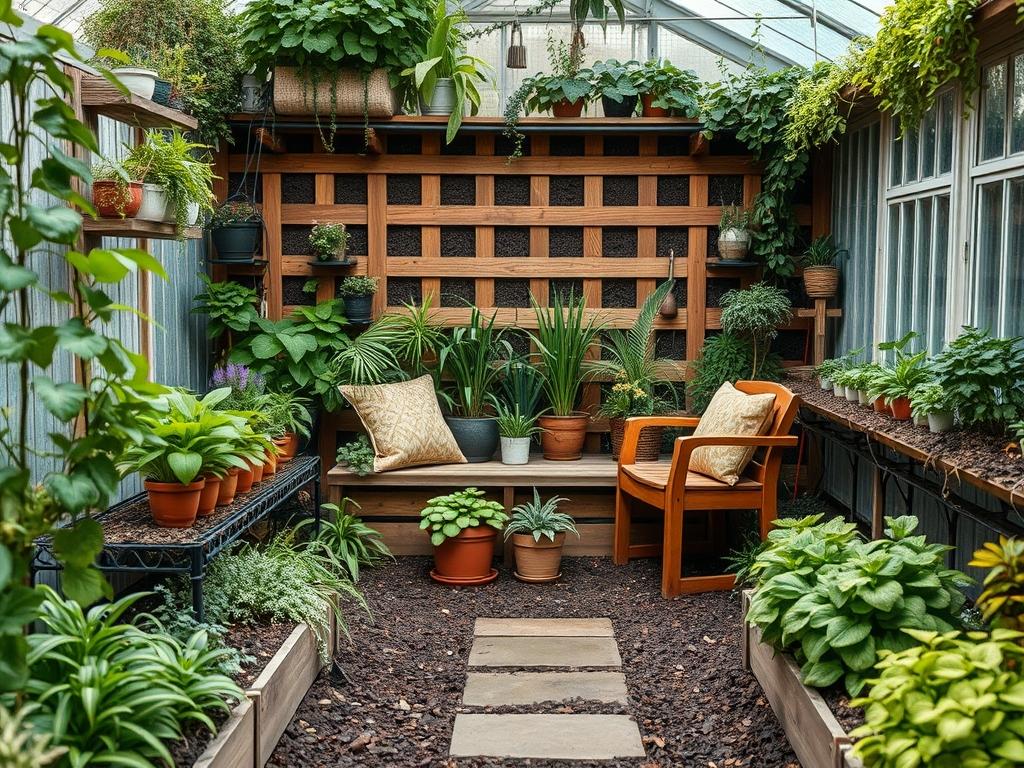
Creating a sanctuary for literature within an expansive backyard requires a departure from traditional open-plan gardening. The primary challenge in establishing Outdoor Reading Corner Layouts lies in the psychological and physical transition from the communal areas of a landscape to a private, sheltered environment. Architects must prioritize the mitigation of noise pollution and the management of solar exposure, as a space that is too bright or too loud will inevitably be abandoned. This is not merely a furniture placement exercise; it is an exercise in creating a microclimate. From a curb appeal perspective, a well-executed reading nook adds a layer of curated intentionality to the property, signaling to observers that the landscape is a series of functional rooms rather than a neglected expanse of turf. Success depends on the harmonious integration of structural hardscaping and softscaping to frame the occupant while maintaining a clear, unobstructed sense of peace.
Landscape Design Principles
Professional landscape design relies on spatial hierarchy to define how a person moves through and experiences a space. When planning Outdoor Reading Corner Layouts, symmetry should be used sparingly. Formal symmetry can feel stiff, whereas asymmetrical balance allows the environment to feel organic and restorative. Use a Focal Point, such as a sculptural water feature or a specimen tree like a Ginkgo Biloba, to draw the eye toward the seating area without overwhelming the occupant. Elevation layers are equally critical. By raising the reading area on a flagstone pedestal or tucking it into a slight depression, you create a physical threshold that separates the nook from the rest of the garden.
Visual balance is achieved by layering heights. Start with a tall backdrop of Evergreen Screening, followed by mid-sized shrubs, and finished with low-growing groundcovers. This creates a “cocoon” effect that maximizes the feeling of security. Connectivity is another pillar of the design. A winding path made of Decomposed Granite or Stepping Stones serves as a slow-paced transition, preparing the mind for the stillness of reading. Finally, never overlook irrigation planning. A reading corner should be a dry zone, meaning all Rotor Sprinklers or Drip Lines must be routed away from the seating area to prevent moisture damage to books and furniture while still providing sufficient hydration to the surrounding perimeter plants.
Plant and Material Selection
The following table outlines high-performance selections for a temperate or Mediterranean climate, focusing on species that provide sensory benefits and privacy.
| Plant Type | Sun Exposure | Soil Needs | Water Demand | Growth Speed | Maintenance Level |
| :— | :— | :— | :— | :— | :— |
| Star Jasmine | Full Sun to Part Shade | Well-drained | Moderate | Fast | Medium (Requires Pruning) |
| Green Giant Arborvitae | Full Sun | Adaptable | Low once established | Very Fast | Low |
| Japanese Forest Grass | Full Shade | Moist, Loam | High | Slow | Low |
| Lavender (Munstead) | Full Sun | Sandy, Gritty | Very Low | Moderate | Low |
| Oakleaf Hydrangea | Part Shade | Rich, Acidic | Moderate | Moderate | Moderate |
| Creeping Thyme | Full Sun | Poor, Rocky | Low | Moderate | Very Low |
In addition to plants, material choice defines the longevity of the layout. Use Kiln-Dried Cedar for pergolas or privacy screens, as its natural tannins resist decay. For the ground surface, Permeable Pavers are superior to solid concrete because they allow rainwater to infiltrate the soil, reducing runoff and preventing pooling around the reading chair.
Implementation Strategy
The construction of an intimate reading corner begins with a site survey to identify the high point of the yard. Ensure the site has a 2 percent slope away from the center of the nook to prevent standing water. Once the area is marked with a Line Level and Wooden Stakes, remove the existing turf and excavate the area to a depth of 6 inches. This depth allows for the installation of a 4-inch layer of crushed limestone or Class 2 Permeable Base, which provides a stable foundation for your chosen hardscape.
Compaction is vital. Use a Power Plate Compactor to ensure the base is rock hard before laying your final surface material. If using Flagstone, fill the gaps with Polymeric Sand to lock the units in place and prevent weed growth. For the vertical elements, install a Pressure-Treated 4×4 Post at each corner of your designated zone to support a light trellis or privacy screen. Once the structural elements are in place, focus on the planting beds. Dig holes that are twice as wide as the root ball of your plants but no deeper. Before backfilling, mix the native soil with Organic Compost to jumpstart root development. Finally, apply a 3-inch layer of Cedar Mulch across all bare soil. This mulch layer regulates soil temperature and suppresses weeds, ensuring the reader is not distracted by garden chores.
Common Landscaping Failures
One of the most frequent errors in small-scale garden planning is the failure to account for mature plant size. A Leyland Cypress may look perfect in a two-gallon pot, but within five years, it can encroach upon the seating area and block all usable light. This is known as root and canopy overcrowding. Another critical mistake is soil compaction during the construction phase. Heavy foot traffic or machinery can crush the air pockets in the soil, leading to poor drainage and “drowning” the root systems of expensive specimen plants.
Irrigation inefficiencies also plague reading corners. If the Drip Emitters are not calibrated correctly, the area may become a magnet for mosquitoes or develop a damp, musty odor that ruins the reading experience. Furthermore, many homeowners neglect the structural integrity of Retaining Walls. Any wall over 36 inches in height requires a dedicated Drainage Pipe and Gravel Backfill to prevent the buildup of hydrostatic pressure, which can cause the wall to bow or collapse inward toward the reading nook.
Seasonal Maintenance
To keep Outdoor Reading Corner Layouts functional throughout the year, a structured maintenance schedule is required.
Spring: This is the season for revitalization. Remove the winter mulch and apply a fresh 1-inch layer of Compost. Inspect the Irrigation Controller for leaks and clear any debris from the French Drains. Prune any winter-damaged branches from your Evergreen Shrubs using Bypass Pruners.
Summer: Focus on moisture management. Ensure that plants receive deep watering early in the morning to reduce evaporation. Monitor for pests like aphids on your Climbing Roses. If the reading area includes a wooden deck or pergola, check for signs of UV damage and apply a UV-Resistant Sealer if the wood begins to gray.
Autumn: Prepare the space for dormancy. Rake leaves away from the hardscaping to prevent staining on Bluestone or Pavers. This is the ideal time to plant spring-blooming bulbs like Tulips or Alliums around the perimeter of the nook. Cut back any perennials that have finished flowering.
Winter: Protect the structural elements. If you live in a climate with heavy snow, use a Plastic Shovel to clear paths, as metal blades can scratch delicate stone surfaces. Wrap sensitive plants in Burlap if a deep freeze is forecasted. Check that the outdoor furniture is properly covered or moved to storage to prevent fabric rot.
Professional Landscaping FAQ
How do I choose the best location for a reading corner?
Identify a spot with “muffled” acoustics, typically away from the street or AC units. Favor areas with dappled shade, such as under the canopy of a Honey Locust, to ensure comfortable lighting during peak afternoon hours.
What is the best material for a low-maintenance path?
Decomposed Granite with a stabilizer is excellent. It provides a firm, permeable surface that looks natural and prevents dust. It is cheaper than stone and easier to install around existing tree roots without causing damage.
How do I stop my reading corner from feeling too exposed?
Utilize the concept of “Layered Screening.” Combine a physical Lattice Fence with a biological layer like Star Jasmine. This dual approach provides an immediate visual barrier while the plants grow to provide acoustic buffering.
Can I build a reading corner on a slope?
Yes, but you must install a Tiered Retaining Wall to create a level terrace. Ensure the wall is built with Wall Blocks and includes a Perforated Drain Pipe to manage water runoff from the higher elevation.
What lighting is best for nighttime reading?
Avoid harsh overhead floodlights. Use Low-Voltage LED Path Lights for safety and a dedicated Task Light near the seating. Aim for a “warm” color temperature of 2700K to maintain a cozy, intimate atmosphere.