
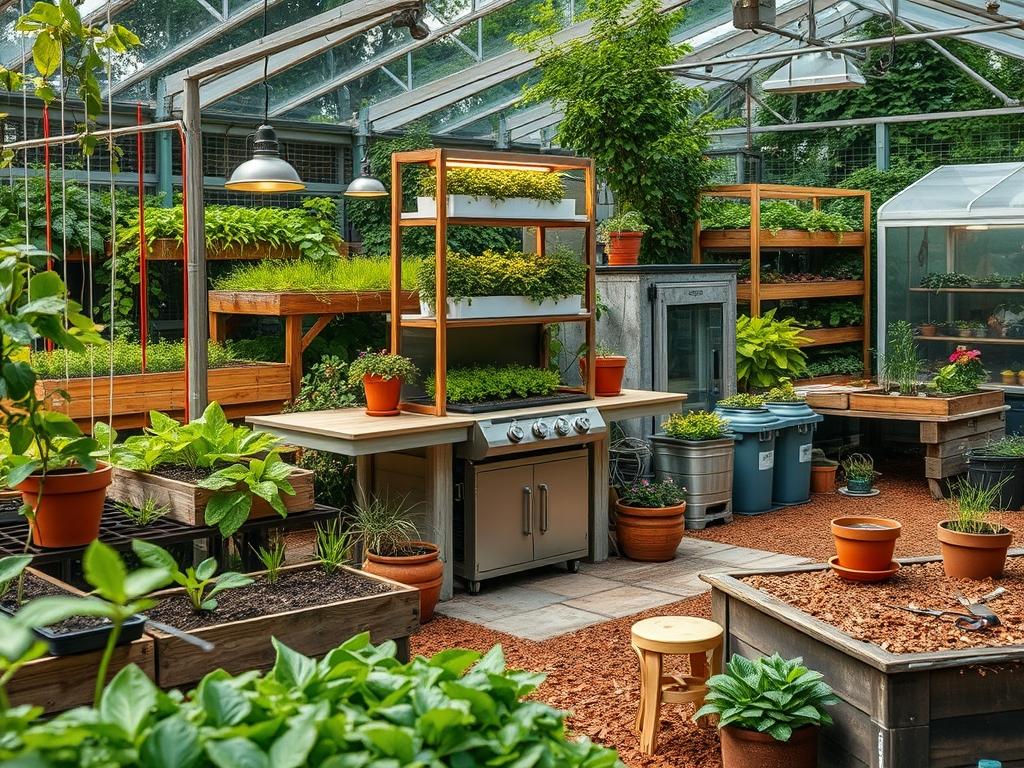
Designing a high-performance backyard grill station involves a complex intersection of culinary functionality and architectural aesthetics. The transition from a simple portable charcoal unit to a fully realized outdoor kitchen represents a significant investment in a property’s utility and market value. When we approach Backyard Grill Station Lighting as consultants, we view it through the lens of both safety and atmosphere. Proper illumination extends the usability of the space into the evening hours; it allows the chef to monitor cook temperatures and food texture with precision. It also mitigates the hazards of working with sharp blades and high heat in the shadows. The climate of a region dictates the types of fixtures required. High-humidity areas demand corrosion-resistant materials like 316 marine-grade stainless steel, while freezing climates require frost-resistant footings for any vertical light posts or masonry structures. Beyond pure utility, the lighting design influences the curb appeal and the overall resort feel of the backyard. A well-lit grill station serves as a secondary focal point that anchors the social flow of a landscape, drawing guests from the indoor living areas toward a structured, inviting outdoor environment.
Landscape Design Principles
Integrated lighting must follow the core tenets of landscape architecture to feel intentional rather than like an afterthought. Symmetry plays a vital role in framing the grill station. For example, placing twin bronze bollard lights on either side of the cooking zone creates a sense of formal balance. Elevation layers are equally significant. We recommend a three-tiered approach: low-level path lighting for safety, mid-level task lighting for the countertops, and high-level ambient lighting to wash over the entire scene.
Focal points should be accentuated using directional LED spotlights that highlight architectural features like a dry-stack stone wall or a custom pergola structure. Irrigation planning must occur concurrently with the electrical layout. You must ensure that spray heads from the lawn irrigation system do not drench electrical enclosures or cause mineral buildup on light lenses. Walkways should be illuminated with a subtle stagger, guiding the eye toward the grill station without overwhelming the viewer with glare. Visual balance is achieved when the brightness of the grill zone complements, rather than competes with, the rest of the garden’s nightscape. If the grill station is overly bright compared to the surrounding trees, it will feel disconnected and harsh.
Plant and Material Selection
Choosing the right greenery and hardscape materials around a grill station is critical for fire safety and aesthetic cohesion. Nearby plants must be able to withstand occasional heat drifts and potential foot traffic.
| Plant Type | Sun Exposure | Soil Needs | Water Demand | Growth Speed | Maintenance Level |
| :— | :— | :— | :— | :— | :— |
| Rosemary | Full Sun | Well-drained, sandy | Low | Moderate | Low |
| Creeping Thyme | Full Sun | Poor to average | Low | Fast | Minimal |
| Boxwood | Partial to Full Sun | Loamy, moist | Moderate | Slow | High (Pruning) |
| Dwarf Fountain Grass | Full Sun | Adaptable | Low | Moderate | Moderate |
| Lavender | Full Sun | Gritty, alkaline | Very Low | Moderate | Low |
For materials, we favor non-porous surfaces like granite countertops or honed basalt for the grill surround. These materials do not absorb grease as easily as sandstone and reflect light beautifully under under-cabinet LED tape. For the flooring, pavers with a high solar reflectance index can help keep the area cool during the day, while darker stone provides a sophisticated backdrop for warm-toned lighting at night.
Implementation Strategy
The construction of a light-integrated grill station begins with meticulous site grading. The ground must slope away from the primary structure at a rate of at least two percent to prevent water from pooling near electrical conduits. Once the grade is established, we map out the hardscaping. Use a sub-base of crushed gravel compacted to a depth of four inches for stability. When installing the grill island, integrate 1-inch PVC conduit during the masonry phase so wires remain hidden and protected from heat and moisture.
Edging for surrounding planter beds should be crisp and deep; use heavy-gauge steel edging or poured concrete curbs to prevent turfgrass from encroaching on the lighting fixtures. Mulch should be applied at a 3-inch depth to retain moisture for nearby perimeter plantings, but it must be kept clear of light lenses to prevent heat buildup and potential fire risks. Drainage solutions, such as a French drain or a slotted trench drain, are essential to protect the longevity of the low-voltage transformers and sensitive electrical components. If you are installing overhead lighting, ensure all posts are set in concrete footings that reach below the local frost line to prevent shifting over time.
Common Landscaping Failures
One of the most frequent errors in Backyard Grill Station Lighting is the “interrogation effect,” where high-powered floodlights are aimed directly at the chef. This creates harsh shadows and blinding glare. Instead, use shielded fixtures that direct light downward onto the work surface. Drainage mistakes are another common pitfall. If the patio is not graded correctly, water will migrate toward the grill station’s electrical housing, leading to short circuits and corrosion.
Root overcrowding often occurs when homeowners plant fast-growing shrubs too close to the masonry. As roots expand, they can heave pavers or crack retaining walls. Improper spacing of light fixtures can also lead to “hot spots” and “dark zones,” making the space feel uneven and unsafe. Soil compaction during the construction phase is often overlooked; heavy machinery used to move stone can crush the soil structure, leading to poor drainage and plant death. Finally, irrigation inefficiency, such as placing high-flow rotors near the grill island, will inevitably lead to salt staining and hardware degradation on premium lighting fixtures.
Seasonal Maintenance
To keep a grill station functioning at a professional level, you must adhere to a strict seasonal maintenance schedule. In the Spring, inspect all low-voltage transformers for signs of pest intrusion and ensure the timer settings are adjusted for daylight savings. Clean the lenses of your path lights and task lights with a soft cloth and non-abrasive cleaner to remove winter film.
During the Summer, focus on the surrounding vegetation. Prune any boxwood or ornamental grasses that may have grown to obstruct the light beams. Check the irrigation system to ensure no spray is hitting the hot grill or the lighting fixtures directly. In the Autumn, clear fallen leaves and organic debris from the base of the lighting fixtures and the grill station vents. This prevents fire hazards and stops moisture from being trapped against the stone or metal. In the Winter, if you live in a snowy climate, mark your bollard lights with reflectors so they are not damaged by snow removal equipment. Check your outdoor GFCI outlets for proper sealing against freezing rain and melting snow.
Professional Landscaping FAQ
How do I choose the right color temperature for grill lighting?
We recommend a warm-white range between 2700K and 3000K. This temperature renders the colors of grilled food accurately while maintaining a cozy, sophisticated atmosphere that blends well with natural firelight and the surrounding garden.
Can I run lighting off the same circuit as my grill’s rotisserie?
It is possible if the total wattage does not exceed the circuit’s capacity. However, we suggest a dedicated transformer for low-voltage lighting to prevent flickering when the grill motor or a nearby refrigerator kicks on.
What is the best way to hide wires in an existing stone island?
In existing structures, we use diamond-blade saws to cut narrow channels into the mortar joints. The wires are tucked into these grooves and covered with matching mortar or a silicone-based sealant for a seamless look.
How many lumens are needed for a grill task light?
A task light should provide between 300 and 500 lumens. This provides enough clarity to see the internal temperature of a steak or the texture of vegetables without causing glare on the stainless steel surfaces.
Are solar lights sufficient for a functional grill station?
Generally, no. Solar lights lack the consistent intensity and reliability needed for safe food preparation. Hardwired low-voltage systems provide the steady, high-quality light required for a truly functional and professional-grade outdoor kitchen environment.