
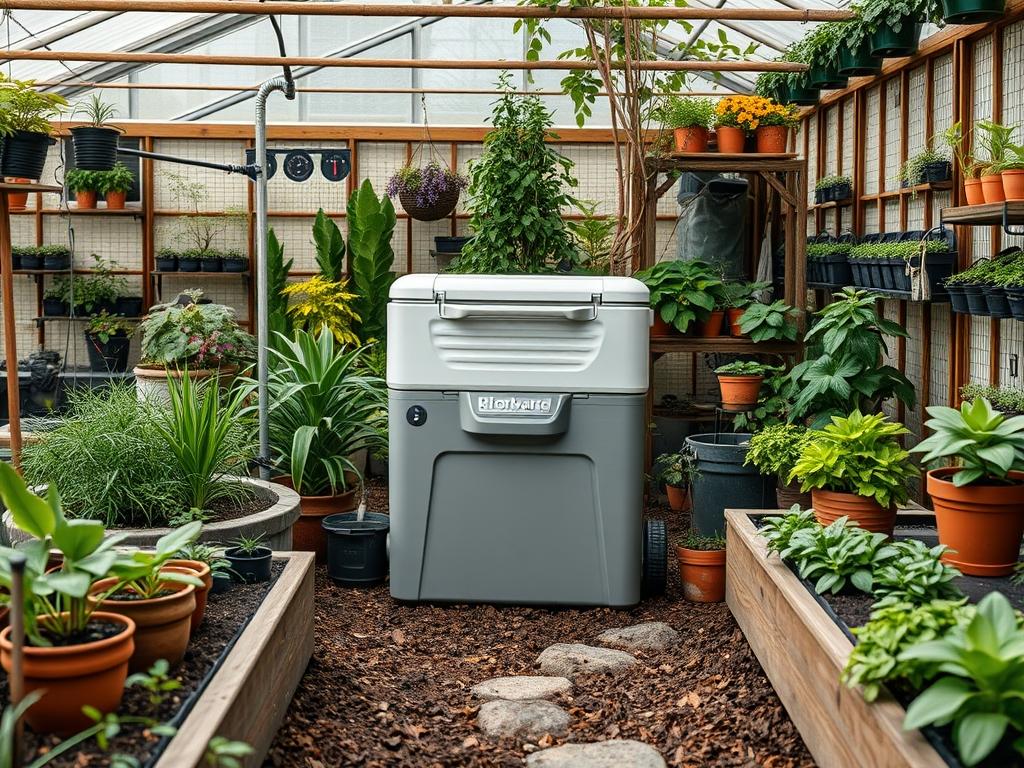
Integrating a functional cooling station into a sophisticated landscape requires a delicate balance between mechanical utility and aesthetic cohesion. Modern backyard outdoor coolers have evolved from simple portable chests into permanent or semi-permanent fixtures that anchor the social zones of an outdoor kitchen or poolside lounge. The challenge for many homeowners lies in bridging the gap between a high-utility appliance and the natural softness of a well-curated garden. When these elements are poorly planned, the cooler becomes a visual distraction or, worse, a functional bottleneck that disrupts the flow of foot traffic. By treating the cooling unit as a central architectural feature rather than an afterthought, you can enhance the overall curb appeal and resale value of your property.
Climate plays a significant role in determining the placement and material selection for these installations. In arid environments, cooling zones must be shielded from direct afternoon sunlight to prevent the internal refrigeration systems from overworking; conversely, in humid climates, airflow is the primary concern to prevent mold growth on surrounding cabinetry or stonework. From a landscape architect’s perspective, the objective is to create a seamless transition where the backyard outdoor coolers feel embedded in the terrain. This is achieved through clever use of elevation, proximity to social hubs, and a robust drainage strategy that handles condensation or cleaning runoff without compromising the health of nearby plantings.
Landscape Design Principles
Successful integration begins with the principle of spatial hierarchy. The cooling station should be accessible but not dominant. We often utilize symmetry to frame these areas, using tall vertical elements like Italian Cypress or structured pergolas to draw the eye toward the center of the entertainment zone. By aligning the cooler with the horizontal plane of a masonry counter, you create a visual anchor that stabilizes the surrounding greenery. This creates a focal point that serves both a social and an aesthetic purpose.
Elevation layers are equally critical in a multi-use backyard. We frequently recommend raising the bar or cooler area by at least 6 inches using a tiered patio system. This subtle change in height defines the space as a “destination” within the yard. To ensure safety and accessibility, the transition between these levels must feature wide, well-lit walkways. Using natural bluestone or large-format porcelain pavers provides a slip-resistant surface that remains cool to the touch. Visual balance is maintained by mirroring the mass of the cooler housing with large-scale planters or boulders on the opposite side of the patio, preventing the layout from feeling lopsided.
Irrigation planning must be addressed during the initial design phase. Because backyard outdoor coolers are often part of a larger hardscape, the surrounding plants may be cut off from natural groundwater. We design dedicated drip irrigation zones for the vegetation surrounding the cooler to ensure that heat radiating from the appliance or the stone housing does not dehydrate the roots.
Plant and Material Selection
Choosing the right flora ensures that your cooling zone remains vibrant despite the microclimate created by hardscaping and heat-generating appliances. The following table provides a selection of species that pair well with integrated outdoor structures.
| Plant Type | Sun Exposure | Soil Needs | Water Demand | Growth Speed | Maintenance Level |
| :— | :— | :— | :— | :— | :— |
| Boxwood (Buxus) | Full to Partial | Well-drained | Moderate | Slow | Medium |
| Lavender (Lavandula) | Full Sun | Sandy/Rocky | Low | Moderate | Low |
| Fountain Grass | Full Sun | Adaptable | Low | Fast | Low |
| Japanese Maple | Partial Shade | Loamy/Acidic | Moderate | Slow | High |
| Creeping Thyme | Full Sun | Poor/Sandy | Low | Moderate | Low |
| Dwarf Palmetto | Partial Shade | Moist | High | Slow | Low |
When selecting hardscape materials, longevity is the priority. Stainless steel 304 grade is the industry standard for cooler chassis due to its resistance to corrosion. For the surrounding enclosures, stacked fieldstone, cast concrete, or teak wood offer textures that soften the industrial look of the appliances. Using a 2-inch thick granite slab for the countertop area provides a durable, heat-resistant surface for food preparation and drink service.
Implementation Strategy
The first step in his implementation is professional grading. The ground must slope away from the cooling unit at a rate of at least 2 percent to prevent water from pooling around the electrical components or the base of the cabinetry. Once the grade is established, we lay a foundation of compacted 21A crushed stone at a depth of 6 to 8 inches to provide a stable, frost-resistant base for the masonry work.
Edging is the next priority. Use heavy-duty aluminum edging or Belgian block to create a crisp border between the hardscape and the planting beds. This prevents invasive turfgrass from encroaching on the cooler area and keeps decorative mulch in place. For the beds themselves, a 3-inch layer of triple-shredded hardwood mulch or dark river stone helps retain moisture for the nearby plants while providing a clean, finished look.
When installing the cooler itself, ensure there is at least a 2-inch air gap behind and beside the unit if it is a built-in model. This ventilation is vital for the compressor’s longevity. Drainage for the unit, whether it is a simple drain plug for a chest or a condensate line for a refrigerator, should be tied into a subterranean French drain or directed toward a nearby rain garden to keep the patio surface dry and safe.
Common Landscaping Failures
The most frequent mistake in backyard design is poor drainage planning. Water that collects at the base of a cooler housing will eventually wick into the masonry, causing efflorescence or structural cracking during freeze-thaw cycles. Another common failure is root overcrowding. Planning a large shrub too close to a built-in cooler may seem like a good screening idea, but as the root ball expands, it can heave the pavers or crack the concrete pad.
Improper spacing is also a major concern. We often see outdoor kitchens where the cooler is placed too close to the grill. This forces the refrigeration system to work twice as hard to maintain its temperature, leading to premature mechanical failure. Soil compaction is the final hidden killer. During the construction of heavy stone surroundings for backyard outdoor coolers, heavy machinery often compacts the soil in the planting zones. Without proper aeration and the addition of organic compost, the “hero plants” in your design will struggle to survive in the suffocating, nutrient-poor ground.
Seasonal Maintenance
Spring is the time for a system audit. Inspect all stone joints for cracks and refill them with polymeric sand if necessary. This prevents weeds from taking root in the patio. Prune any winter-damaged foliage from the surrounding Boxwoods or Ornamental Grasses to allow for fresh growth.
During the summer, focus on hydration and cleanliness. The high usage of backyard outdoor coolers means more spills. Use a pH-neutral stone cleaner to wipe down surfaces, as acidic cleaners can etch natural stone. Check your drip irrigation emitters to ensure they are not clogged.
In autumn, clear away fallen leaves and debris that may have accumulated in the ventilation gaps of the cooling unit. If the unit is not rated for freezing temperatures, this is the time to drain any internal water lines and apply a heavy-duty vinyl cover. Winter maintenance involves keeping the area clear of snow and ice. Avoid using rock salt near your plants or your stainless steel appliances; instead, use calcium magnesium acetate, which is less corrosive to metal and safer for the root systems of your landscape.
Professional Landscaping FAQ
How far should a cooler be from a grill?
Maintain a minimum of 36 inches between heat-generating appliances and cooling units. This distance prevents thermal transfer, ensures the compressor runs efficiently, and provides enough workspace for the cook to move between zones without obstruction.
What is the best base for an outdoor cooler?
A reinforced 4-inch concrete pad or a bed of compacted pavers is ideal. The surface must be perfectly level to ensure proper door sealing and optimal refrigerant flow within the mechanical system of the unit.
Can I use wood decking for a built-in cooler?
Yes, but you must use rot-resistant species like Ipe or Cedar. Ensure the structure is engineered to hold the weight of a fully stocked unit and provide a non-combustible barrier if it is near a grill.
How do I hide the back of an unsightly cooler?
Use a “green wall” or a cedar lattice populated with climbing plants like Clematis or Star Jasmine. This provides a living screen that allows for maximum airflow while masking the industrial backside of the appliance.
Do I need a dedicated electrical circuit?
Most professional-grade backyard outdoor coolers require a dedicated 20-amp GFCI-protected circuit. This prevents nuisance tripping when other outdoor lights or appliances are in use and ensures the motor receives consistent voltage for long-term reliability.