
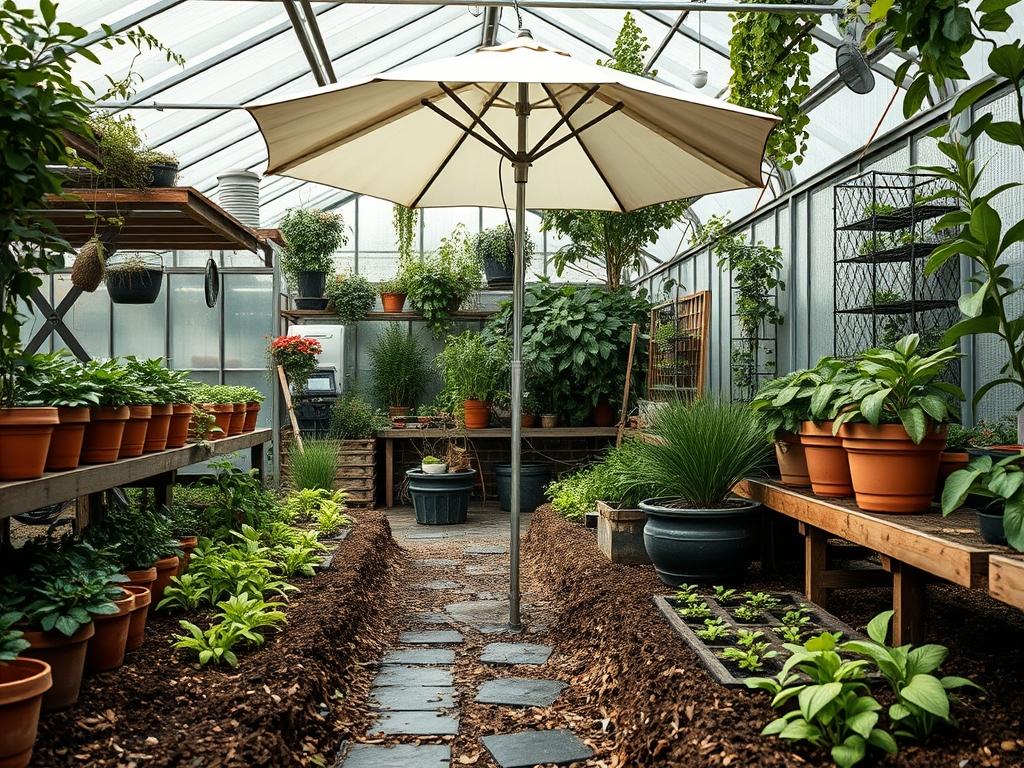
Integrating structural elements into a softscape environment requires a delicate balance of engineering and aesthetic intuition. When homeowners approach the concept of shade, they often view it as a secondary thought, yet the strategic placement of a high quality canopy dictates the entire flow of the outdoor room. Smart Backyard Umbrella Selection is not merely about choosing a color that matches the patio cushions; it is about understanding the solar path, the local wind microclimate, and the structural requirements of the landscape. Effective landscape design treats the umbrella as a movable architectural extension that provides relief from thermal gain while defining the social boundaries of a terrace or deck. Without a professional approach to these installations, a garden can feel disjointed or, worse, become a safety hazard in high wind conditions. As we evaluate the exterior environment, we must consider how these shade structures interact with the surrounding vegetation and topography to create a cohesive, functional retreat.
Landscape Design Principles
Successful landscaping relies on the core tenets of symmetry and focal points to guide the eye and the body through a space. A large 11-foot cantilever umbrella often serves as the primary focal point of a seating area, establishing an axis around which other elements are arranged. Designers use verticality to break up the flat planes of a lawn or patio. By introducing varying elevation layers through the use of high canopies, mid-level shrubs, and low-growing groundcovers, you create a sense of enclosure and security. Symmetry can be achieved by flanking a central walkway with twin market umbrellas, which provides a formal, rhythmic transition from the house to the pool area.
Beyond aesthetics, the integration of shade structures must account for subterranean infrastructure. Modern landscape planning requires a detailed look at irrigation lines and drainage patterns. Placing a heavy granite umbrella base directly over a shallow PVC irrigation pipe is a recipe for maintenance disasters. Similarly, the design must verify that the umbrella’s footprint does not interfere with established walkways. A minimum clearance of 36 inches should be maintained around the perimeter of the umbrella’s reach to ensure unobstructed traffic flow. By balancing these visual and functional requirements, the umbrella becomes a settled part of the geography rather than a temporary addition.
Visual balance also concerns the weight and material of the shade structure. In a minimalist, modern garden characterized by architectural concrete and stainless steel, a heavy timber frame might look out of place. Conversely, a rustic cottage garden benefits from the warmth of FSC-certified teak or eucalyptus frames. The scale of the umbrella must be proportional to the surrounding hardscape. A common rule is that the umbrella canopy should extend at least 2 feet beyond the edge of the table or seating area it is intended to cover. This ensures that the shifting angle of the sun does not leave guests exposed to UV radiation during peak afternoon hours.
Plant and Material Selection
The following table outlines the plant species and structural materials that complement a well-designed shaded environment. Selecting the right biological partners ensures that the area under and around the umbrella remains vibrant and manageable.
| Plant or Material Type | Sun Exposure | Soil Needs | Water Demand | Growth Speed | Maintenance Level |
| :— | :— | :— | :— | :— | :— |
| Japanese Maple | Partial Shade | Well-drained, acidic | Moderate | Slow | Medium |
| Sunbrella Acrylic Fabric | Full Sun | N/A | Low (Cleaning only) | None | Low |
| Cast Iron Plant | Full Shade | Rich, loamy | Low | Slow | Very Low |
| Powder-Coated Aluminum | Full Sun | N/A | N/A | None | Moderate |
| Creeping Thyme | Full Sun | Gritty, poor soil | Low | Fast | Low |
| Hostas | Full Shade | Consistently moist | High | Medium | Medium |
| Pea Gravel | Full Sun/Shade | Compacted base | N/A | None | Low |
Implementation Strategy
The implementation phase begins with a thorough site analysis to determine the primary wind direction and sun orientation. Start by marking the footprint of your planned seating area with marking paint or surveyor’s tape. Once the area is defined, assess the grading. A perfectly level surface is essential for any umbrella that is not permanently bolted to a deck. If the ground slopes more than 2 percent, you must implement a minor retaining wall or create a leveled pad using 4 inches of compacted crushed stone followed by a layer of fine leveling sand. This prevents the umbrella from leaning, which puts uneven stress on the rotation mechanism and the hub.
Next, consider the drainage requirements for the area surrounding the umbrella stand. If you are placing an umbrella in a lawn or garden bed, install a French drain or a gravel sump nearby to prevent water from pooling around the base. Standing water can lead to the corrosion of steel hardware or the rotting of wooden poles. For those using a bolt-down base on a concrete patio, ensure that the bolts are made of 316-grade stainless steel to prevent rust staining on the masonry.
When the hardscape is prepped, move toward edging and protective layers. Use heavy-duty steel edging or paver restraints to keep the transition between the umbrella zone and the planting beds crisp. Apply a 3-inch layer of hardwood mulch or decorative river rock around the base of nearby plants to retain moisture and suppress weeds. This layer also acts as a splash guard, preventing mud from staining the umbrella’s solution-dyed acrylic canopy during heavy rainstorms. Finally, verify that the crank lift or pulley system is fully operational and that the canopy cleared all nearby structures, such as eaves or tree branches, before finalizing the placement.
Common Landscaping Failures
One of the most frequent errors in backyard design is the failure to account for the “kite effect.” A large umbrella acts as a sail; without a base weight of at least 75 to 100 pounds, a sudden gust of wind can topple the structure, damaging both the umbrella and any surrounding terracotta planters or glass tables. Furthermore, many homeowners ignore the potential for root overcrowding. Planting large canopy trees too close to a patio where an umbrella is located creates a competitive environment. As the tree grows, its roots may lift the pavers or flagstones, creating an uneven surface that makes the umbrella unstable.
Irrigation inefficiencies also plague many setups. Overspray from automatic sprinklers can lead to mineral deposits on the umbrella fabric and the hardware, causing the metal to pit and the fabric to develop mildew. Designers should adjust rotor heads to ensure they water the root zones of plants without drenching the furniture. Additionally, soil compaction caused by high foot traffic around the shade station can suffocate the roots of nearby perennials. To avoid this, designers should utilize stepping stones or permeable pavers to distribute the weight of traffic and allow air and water to reach the soil profile.
Seasonal Maintenance
Landscape management is a year-round commitment that changes with the weather. In the spring, inspect the canopy fabric for any signs of mold or bird droppings. Clean the material with a soft brush and a solution of mild soap and lukewarm water. Lubricate the sliding joints and the tilting mechanism with a dry silicone spray to ensure smooth operation during the upcoming hot months. This is also the time to prune any overhanging limbs from Oak or Maple trees that could snag the fabric during a breeze.
As autumn approaches, the focus shifts to debris management. Falling leaves can trap moisture against the umbrella frame, leading to oxidation. Once the foliage has dropped, remove the canopy from the frame and store it in a dry, ventilated area. For winter, it is highly recommended to remove the entire umbrella and store it in a garage or shed. If the structure is a permanent fixture, use a fitted weather cover made of breathable polyester to protect it from snow and ice accumulation. This prevents the expansion and contraction of frozen water from cracking the plastic gaskets or metal ribs of the structure.
Professional Landscaping FAQ
How heavy should my umbrella base be for safety?
For free-standing umbrellas, the base should weigh at least 10 pounds per foot of diameter. A 10-foot umbrella requires a 100-pound base to remain stable in light to moderate winds; larger cantilevers often require even more specialized weights.
What is the best fabric for long-term outdoor use?
Solution-dyed acrylic, such as Sunbrella, is the industry standard. Unlike polyester, the color is permeated throughout the fiber, making it highly resistant to UV fading, mold, and water damage over several seasons of extreme exposure.
Can I leave my umbrella out during the winter?
It is not recommended. While the frames are often powder-coated aluminum, ice and sub-freezing temperatures can damage the internal cord systems and crank mechanisms. If storage is impossible, always use a high-quality, waterproof protective cover.
How do I prevent my umbrella from spinning in the wind?
Choose a model with a locking collar or a dual-locking pin system. This secures the pole to the base and prevents the canopy from rotating freely, which helps minimize mechanical wear on the frame during gusty conditions.
How much clearance is needed between an umbrella and a grill?
Maintain a minimum distance of 10 feet between a heat source and the umbrella canopy. Heat and sparks can easily damage synthetic fabrics or even cause a fire, especially with cantilever models that may sway over the cooking area.