
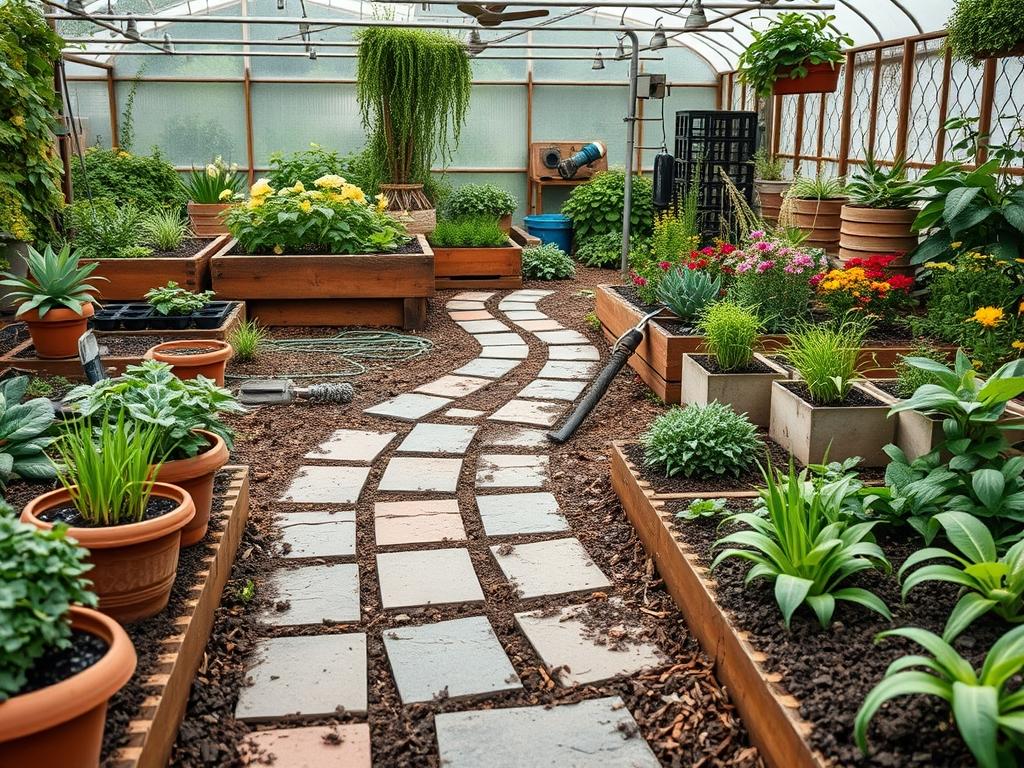
Maintaining a high-end landscape requires a rhythmic commitment to both organic growth and structural integrity. Backyard pavers act as the circulatory system of a property; they guide movement and define the habitable sections of an outdoor environment. Over time, environmental stressors such as UV exposure, moisture infiltration, and organic debris accumulation can dull the vibrant aesthetic of natural stone or concrete units. Professional backyard paver cleaning tips emphasize a proactive approach to soil removal and biological mitigation. By understanding the chemical properties of varying stones and the structural requirements of jointing materials, homeowners can preserve the architectural intent of their hardscaping for decades. A clean patio is not merely an aesthetic choice; it is a fundamental preservation tactic that prevents the degradation of the sub-base and protects the investment of the entire landscape design. When the hardscape is neglected, the surrounding flora often appears unkempt, regardless of how meticulously the garden beds are manicured.
Landscape Design Principles
Effective landscape design relies on the harmony between softscape elements and hardscape structures. To achieve a professional finish, designers prioritize symmetry and visual balance, ensuring that the heavy weight of pavers and retaining walls is offset by the softness of seasonal foliage. Focal points represent another critical principle; a clean stone path should lead the eye toward a specific destination, whether it is a water feature, a specimen tree, or a sheltered seating area. Elevation layers add dimension to a flat backyard. By utilizing terraced pavers or raised garden beds, a consultant can create depth that makes a medium sized yard feel expansive.
Functionality dictates that irrigation planning must be integrated into the initial design phase. If water is allowed to pool on the surface of your interlocking concrete pavers, it will eventually lead to the growth of moss and lichen, necessitating more frequent cleaning. Walkways should be designed with a slight pitch, typically a 2 percent grade, to facilitate surface runoff toward drainage basins or bioswales. This prevents the “ponding” effect that contributes to stone erosion and joint failure. Visual balance is achieved when the color and texture of the pavers complement the architectural style of the home, creating a seamless transition from the indoor living space to the outdoor environment.
Plant and Material Selection
Selecting the right biological components is just as important as choosing the stone. The following table highlights common species used to frame and enhance paved areas while considering their long term maintenance requirements.
| Plant Type | Sun Exposure | Soil Needs | Water Demand | Growth Speed | Maintenance Level |
| :— | :— | :— | :— | :— | :— |
| Boxwood | Full to Partial | Well-drained | Moderate | Slow | Low |
| Lavender | Full Sun | Sandy/Rocky | Low | Moderate | Medium |
| Oakleaf Hydrangea | Partial Shade | Loamy | High | Moderate | Low |
| Liriope | Any | Versatile | Low | Fast | Very Low |
| Switchgrass | Full Sun | Clay/Sandy | Low | Fast | Low |
| Creeping Thyme | Full Sun | Poor/Lean | Low | Moderate | Low |
Implementation Strategy
The process of revitalizing a backyard begins with a surgical approach to cleaning. Before any chemical or mechanical force is applied, the area must be cleared of furniture and stray organic matter. Using a stiff-bristle broom, sweep the surface to remove loose grit. For deep-set stains such as oil or leaf tannins, a solution of Trisodium Phosphate (TSP) or a specialized oxygen bleach is recommended. These agents break down the molecular bonds of the stain without etching the surface of the stone. When using a pressure washer, it resides as a double-edged sword; while effective, excessive force can damage the protective finish of concrete units or dislodge the essential joint sand. Keep the nozzle at a 45-degree angle and maintain a distance of at least 12 inches from the surface.
Once the pavers are cleaned and dried, the reconstruction of the layout begins. Proper grading ensures that the land slopes away from the foundation of the house. Edging is the next priority; using steel restraints or plastic paver edging prevents the units from shifting laterally over time. After the pavers are set and cleaned, apply polymeric sand to the joints. This specialized material contains binders that harden when misted with water, creating a flexible yet durable seal that prevents weed growth and insect infestation. Finally, consider the mulch depth in adjacent garden beds. A layer of 3 inches of organic mulch helps retain moisture for plants while preventing soil splash-back onto your newly cleaned pavers during heavy rain.
Common Landscaping Failures
Many homeowners encounter significant issues because they ignore the invisible mechanics of their yard. The most common failure is inadequate drainage, which leads to “heaving.” When water traps beneath the pavers and freezes, it expands, causing the surface to become uneven and dangerous. Another frequent mistake is root overcrowding. Planting large species too close to a walkway will eventually lead to the roots lifting the concrete pavers, a repair that often requires removing the entire section of the path. Improper spacing of plants also leads to poor air circulation, which encourages mildew to grow on both the leaves and the nearby stonework.
Soil compaction is a silent killer of landscape health. In high-traffic areas, the weight of footfall and equipment packs the earth so tightly that oxygen and water cannot reach the roots of the plants. This can lead to the death of expensive specimens and the erosion of the sub-grade supporting the hardscape. Furthermore, irrigation inefficiencies, such as misaligned sprinkler heads that constantly soak a stone wall instead of the lawn, will cause efflorescence. This is a white, powdery salt deposit that migrates to the surface of porous materials. While it can be cleaned with a specialized acid wash, it is better to prevent it by directing water only where it is needed.
Seasonal Maintenance
To keep a landscape in peak condition, a seasonal management schedule is vital. In the Spring, the focus is on “unveiling.” This involves removing winter debris, checking for frost heave in the stone, and applying a fresh layer of pre-emergent herbicide to the garden beds. This is the optimal time for a deep clean of the pavers using a biodegradable detergent to remove any salt residue left over from the winter months. Summer management shifts toward hydration and pest control. During periods of extreme heat, it is important to monitor the moisture levels of the soil; however, avoid overhead watering that might leave mineral deposits on the stone.
When Autumn arrives, the primary task is leaf management. Tannins from decomposing leaves can permanently stain natural stone if left to sit in the rain. Frequent sweeping or the use of a leaf blower is necessary to keep the surface clear. This is also the time to inspect the polymeric sand joints and top them off if the levels have dropped. In the Winter, protection is the priority. Avoid using harsh rock salt on your pavers; instead, opt for calcium chloride or simple sand for traction. Chemical de-icers can penetrate the pores of the stone and cause “spalling,” where the top layer of the material flakes away. By following this calendar, a landscape architect ensures the longevity and beauty of the outdoor environment.
Professional Landscaping FAQ
What is the best way to remove moss from pavers?
Apply a solution of one part vinegar and four parts water. Let it sit for 15 minutes before scrubbing with a nylon brush. Rinse thoroughly to ensure the acidity does not damage the surrounding native plants or the stone finish.
How often should I seal my backyard pavers?
Professional grade sealants generally last between 3 to 5 years. You should reapply once the water no longer beads on the surface. Ensure the pavers are completely dry and free of efflorescence before the application process begins to avoid hazing.
Can I use a pressure washer on all stone types?
No, soft stones like limestone or sandstone can be easily pitted or eroded by high pressure. For these materials, use a low-pressure nozzle or a manual scrubbing technique with a soft-bristled brush and a pH-neutral cleaner to prevent surface degradation.
Why are my pavers shifting and becoming uneven?
This usually indicates a failure in the sub-base or the edge restraints. If the underlying gravel was not compacted to a density of 95 percent, or if water is undermining the base, the pavers will sink and shift over time.
Is polymeric sand better than regular sand?
Yes, polymeric sand contains chemical additives that harden when wet. This creates a semi-rigid joint that resists erosion from rain, prevents weed seeds from germinating in the gaps, and stops ants from nesting underneath the landscape fabric and stones.