
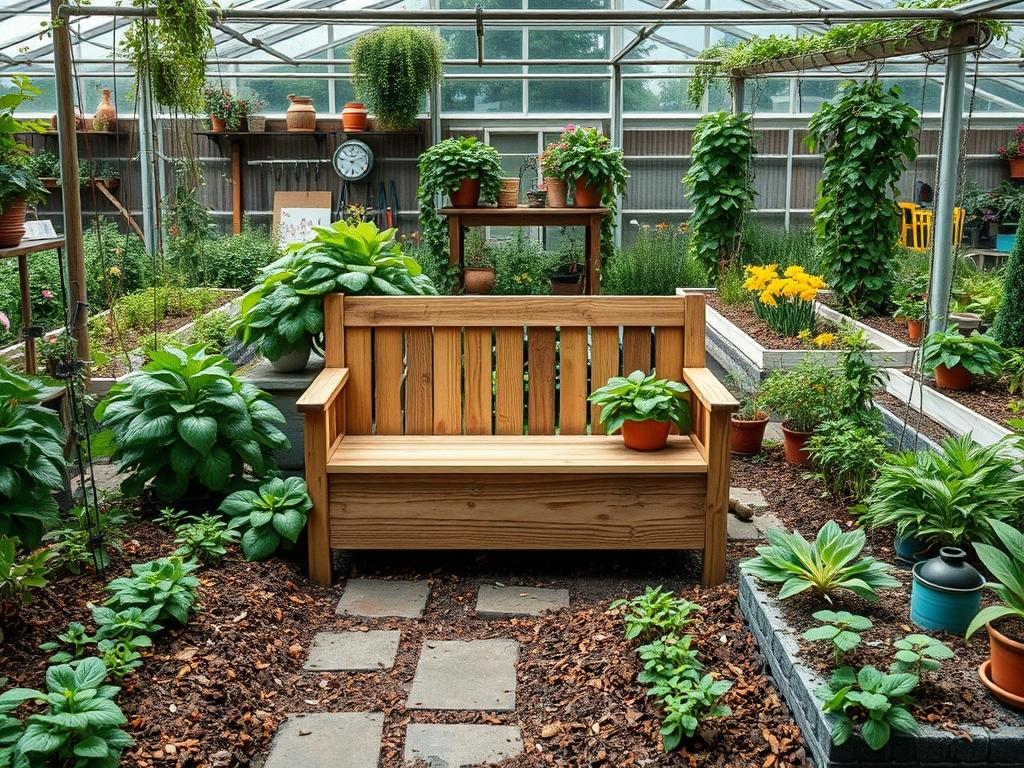
The integration of functional utility within a curated outdoor environment represents one of the most significant challenges for modern property owners. As we look at the evolution of residential exterior design, the concept of a Backyard Storage Bench DIY project has transitioned from a mere weekend craft into a sophisticated architectural intervention. These structures serve as a vital solution for managing the clutter of cushions, gardening tools, and specialized equipment while simultaneously acting as a visual anchor. When planning these installations, a landscape architect must consider the microclimate of the site, ensuring that the selected materials can withstand localized moisture levels and UV exposure without compromising the overall curb appeal. A poorly placed or improperly constructed bench can disrupt the flow of a garden; conversely, a strategically designed piece provides both a resting place and a seamless organizational hub that enhances the property value and the lived experience of the inhabitants.
Landscape Design Principles
Successful garden planning requires a deep understanding of spatial relationships and the visual weight of hardscaping elements. When incorporating a storage bench, the first principle to consider is symmetry. If the bench is placed against a long perimeter wall, it should be balanced by equivalent vertical interests such as tall shrubbery or architectural trellises on the opposing side. This creates a sense of equilibrium that prevents the yard from feeling lopsided. Focal points are equally crucial. A well-designed DIY bench can act as the destination at the end of a primary axis, drawing the eye through the landscape and encouraging movement toward a specific zone.
Elevation layers play a role in how the bench interacts with its surroundings. We often recommend placing these structures on a slightly raised platform or a reinforced Paver Base to prevent the wood from sitting directly on damp soil. This elevation helps to define the seating area as a distinct room within the outdoor layout. Furthermore, irrigation planning must account for the bench footprint. Overhead sprayers should be redirected to avoid hitting the bench directly, as constant moisture accelerated by sun exposure leads to rapid wood degradation and finish failure. Walkways composed of Crushed Granite or Natural Flagstone should lead the guest predictably to the bench, ensuring the flow of traffic remains logical and ergonomic.
Plant and Material Selection
The following table provides a selection of plant species that pair exceptionally well with backyard seating areas, focusing on texture, resilience, and low-maintenance requirements.
| Plant Type | Sun Exposure | Soil Needs | Water Demand | Growth Speed | Maintenance Level |
| :— | :— | :— | :— | :— | :— |
| English Lavender | Full Sun | Well-drained | Low | Moderate | Low |
| Japanese Boxwood | Full to Part Sun | Loamy/Neutral | Medium | Slow | Moderate |
| Blue Arrow Juniper | Full Sun | Sandy/Rocky | Low | Fast | Very Low |
| Variegated Hosta | Full Shade | Rich/Moist | Medium | Moderate | Low |
| Creeping Thyme | Full Sun | Sandy/Poor | Low | Moderate | Very Low |
| Dwarf Fountain Grass | Full Sun | Versatile | Medium | Fast | Low |
Implementation Strategy
The construction of a Backyard Storage Bench DIY requires more than just basic carpentry; it demands rigorous site preparation. Begin with a thorough site analysis to identify the high point and low point of the intended installation area. Grading is the most critical initial step. You must ensure the ground slopes away from the bench’s foundation at a minimum 2 percent grade to prevent water from pooling beneath the storage compartment. Use a 4 foot Level and a Transit Level for larger areas to verify the slope accurately.
Once the grade is established, define the perimeter with a professional-grade Steel Edging or Plastic Paver Restraint. Beneath the bench, excavate approximately 4 inches of soil and replace it with a layer of Compactable Gravel topped with a Geotextile Weed Barrier. This prevents soil migration and keeps the underside of your bench dry. For the bench itself, select rot-resistant species such as Western Red Cedar, Ipe, or Pressure-Treated Pine. Ensure you use 304 Stainless Steel Screws to prevent rust streaks from marring the wood over time. When applying finishes, a high-quality Pentraying Oil Stain is preferable to surface films like polyurethane, as oils allow the wood to breathe and are easier to refresh during seasonal maintenance.
Common Landscaping Failures
One of the most frequent errors I encounter in residential landscape consulting is the neglect of drainage dynamics. Owners often build their benches in the lowest part of the yard, thinking it makes use of dead space. This leads to hydrostatic pressure building up against the bottom of the bench, resulting in wood rot and a damp, moldy interior for stored items. Another common failure is root overcrowding. Planting a fast-growing tree too close to a permanent bench will inevitably lead to the roots lifting the foundation or the bench itself. Always research the mature root spread of any nearby specimen.
Soil compaction is another silent killer of garden health. During the construction of your DIY project, heavy foot traffic or the placement of heavy materials can crush the pore spaces in the soil, suffocating nearby plant roots. Use Plywood Sheets to distribute weight if you must move heavy loads across the lawn. Finally, improper spacing between the bench and privacy hedging can create air stagnation. A minimum gap of 12 inches should be maintained between the back of the bench and any dense foliage to allow for air circulation, which prevents fungal growth on both the plants and the furniture.
Seasonal Maintenance
Landscape management is a year-round commitment that changes with the cycles of the environment. In the spring, focus on cleaning and inspection. Use a soft brush to remove winter debris from the bench crevices and check for any hardware that may have loosened during freeze-thaw cycles. This is also the time to apply a fresh layer of Bark Mulch at a depth of 3 inches around the surrounding beds, ensuring the mulch does not touch the base of the wood.
During the summer months, irrigation efficiency is the priority. Monitor the moisture levels in the soil near the bench to ensure that your plantings are not stressed by heat reflection from the structure. In the autumn, clear away fallen leaves immediately. Leaf litter holds moisture against the bench and can stain the wood with tannins. If your bench has removable cushions, clean them with a solution of Mild Detergent and store them inside before the first frost. Winter maintenance involves protecting the structure from snow accumulation. While high-quality wood can handle some exposure, using a breathable Waterproof Cover or applying a fresh coat of wax to the top surface can significantly extend the lifespan of your Backyard Storage Bench DIY project through the harshest months.
Professional Landscaping FAQ
What is the best wood for a storage bench?
For durability and rot resistance, Western Red Cedar and Teak are the gold standards. Pressure-Treated Pine is a budget-friendly alternative if you plan to paint or stain it. Always use hardware rated for exterior use to prevent structural failure.
How do I prevent my bench from sinking?
A stable base is essential. Excavate the area and install 2 inches of compacted Crushed Stone. Use Concrete Deck Blocks or a Paver Foundation to distribute the weight. Never place the wood frame directly on raw, uncompacted earth.
Is venting necessary for outdoor storage benches?
Yes. To prevent mold and mildew, incorporate small Louvered Vents or leave thin gaps between bottom slats. Airflow is critical for drying out any moisture that enters during high-humidity periods or following heavy rain events in the summer.
How deep should the storage compartment be?
A standard seat height is 18 inches, which typically allows for a storage depth of 12 to 15 inches. Ensure the lid is slightly oversized to provide a drip edge, preventing water from running down the sides into the interior.
What plants provide the most privacy around a bench?
High-density evergreens such as Spartan Juniper or Green Giant Arborvitae create an excellent living wall. For a softer look, consider Feather Reed Grass, which reaches heights of 5 feet and maintains its structure through the winter months.